Can You See NASA’s Rockets or Satellites from Houston?
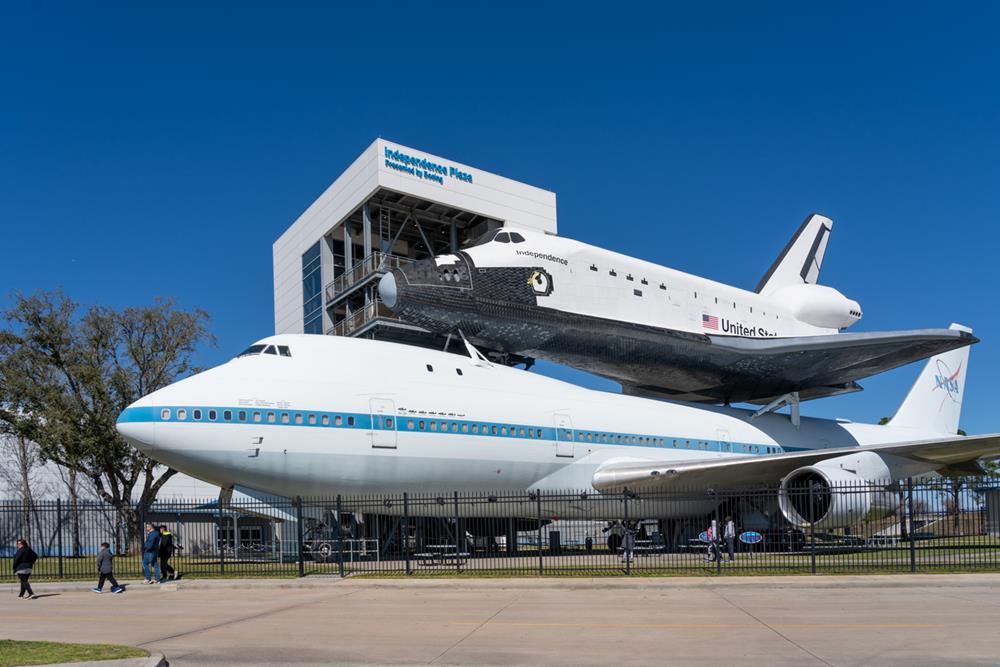
Short answer: you can't see launches from Florida's Kennedy Space Center/Cape Canaveral from Houston (the Earth's curvature and ~800–850 miles of distance block the view). But you can regularly see bright satellites—especially the International Space Station (ISS)—from the Houston area, and you can plan trips to view launches elsewhere in Texas.
Cool, dry air after a front improves sky clarity, and NASA's Spot the Station alerts make timing easy. Below are realistic ways to maximize your space-watching around Houston.
Houston's Perspective on Kennedy Space Center Launches
https://www.youtube.com/watch?v=Y3Nw52F_qh0
While Houston is home to NASA's Johnson Space Center, rockets launching from Florida are not visible from here. At roughly 800–850 miles away, Florida launches remain far below Houston's horizon, so even bright exhaust plumes won't clear the curvature of the Earth.
What is visible from Houston? ISS passes and many other satellites that arc high across the sky. On favorable passes, the ISS can climb well above 60–80° (sometimes nearly overhead), shining brighter than most stars for several minutes.
For the best results, seek open, eastern or western horizons and avoid localized light glare.
Best Conditions for Viewing from Texas
For satellite viewing near Houston, look for cool, dry air behind a cold front; it tamps down haze and boosts contrast. Twilight (about 60–90 minutes after sunset or before sunrise) is ideal because sunlight still strikes objects in orbit while the ground is dark.
If you want to witness an actual launch in Texas, plan a dedicated trip to SpaceX's Starbase near Boca Chica/South Padre Island (far south Texas). From Houston, those launches are too distant to see directly, but on-site viewing from Isla Blanca Park or other approved areas can be excellent—just build in buffer days for delays.
The International Space Station: Tracking Overhead Passes
That bright, steady "star" gliding across the sky for 3–6 minutes is often the ISS. It orbits Earth about 16 times per day, and Houston gets multiple visible passes each week. Use NASA's Spot the Station (or similar apps) to get exact times, directions, and maximum elevation. In urban glow the ISS remains visible on many passes; darker sites simply make the view crisper.
Launch Trajectories and What You Can (and Can't) See
Florida launch trajectories vary by mission (ISS, GEO, lunar, interplanetary), but from Houston they all remain below the horizon. Don't expect to see Starlink "trains" at launch from here; however, post-deployment Starlink chains and many other satellites are visible as they pass over Texas. Focus your efforts on satellite passes, not distant launch azimuths.
Prime Viewing Locations in and near Harris County
You don't need elevation—just open skies and lower light pollution. Good, easy options:
- Challenger Seven Memorial Park (Webster) for wide horizons near the coast.
- Burke Crenshaw Park (Pasadena) ponds with clear sightlines.
- Brazos Bend State Park (Fort Bend County) for notably dark-sky conditions close to town. For educational context (and indoor exhibits), Space Center Houston and Rocket Park at JSC offer outstanding space history—perfect before or after an evening ISS watch.
If clouds roll in, get your space fix indoors with THE INFINITE (and even a space-themed bar) from this roundup of things to do in Houston.
How Weather and Timing Affect Visibility
Clouds, fog, or heavy haze can block even bright passes. Humidity softens contrast; moonlight can wash out fainter satellites. Aim for twilight windows and nights with lower humidity and good transparency. Always check a local forecast and your app's pass brightness (magnitude) and maximum elevation to pick the best opportunities.
Essential Apps and Resources for Houston Spotters
- NASA's Spot the Station (alerts for ISS passes)
- Heavens-Above, ISS Detector, or Sky Guide/SkySafari (comprehensive satellite pass data)
- Space Launch Now / NextSpaceflight (if you're planning travel to a launch site)
Conclusion
From Houston you won't see Florida launches, but you will get frequent, brilliant ISS and satellite passes—especially around dawn and dusk. Pick a spot with open horizons (or head to a darker site like Brazos Bend), watch the weather, and let the apps guide your timing. That's how to turn Houston into your own backyard space-watching hub.
Related posts