Easy Ways to Remove Sharpie From Plastic Surfaces
To remove Sharpie from plastic surfaces, start with rubbing alcohol by soaking a cotton ball and dabbing the stain gently. Hand sanitizer is another good option; apply it directly and rub in circles with a cloth. Alternatively, cover the mark with a dry erase marker, then wipe it away. For a gentle approach, use baking soda paste or non-gel toothpaste, applying them directly on the mark and rubbing carefully. Vinegar mixed with water also works well; simply dampen a cloth and rub the stain. Keep in mind, options like Magic Erasers offer more solutions for stubborn stains that linger.
Rubbing Alcohol Technique
To effectively remove Sharpie marks from plastic surfaces, the rubbing alcohol technique is a tried-and-true method. You'll find that rubbing alcohol is a powerful solvent, which means it can dissolve the ink, making it easier to wipe away. This method utilizes the principles of solvent action, similar to how yeast plays a vital role in fermentation, to break down oils and pigments, enhancing its effectiveness in tackling stubborn stains. It works well on non-porous surfaces like plastic because it doesn't penetrate the material, allowing it to lift the ink instead.
Start by soaking a cotton ball or a soft cloth with rubbing alcohol. Gently dab it on the Sharpie mark, ensuring you don't rub too hard to avoid damaging the plastic. You'll notice the ink begin to fade as the alcohol breaks it down. Continue applying more alcohol and blotting until the mark is completely gone. Rubbing alcohol effectiveness relies on its high evaporation rate, which means it dries quickly, leaving no residue behind. Once the Sharpie mark is removed, wipe the area with a damp cloth to remove any lingering alcohol. Your plastic surface will look as good as new without much effort.
Baking Soda Paste
For a gentle and effective method to tackle Sharpie stains on plastic, try using a baking soda paste. This simple solution not only aids in stain removal but also avoids harsh chemicals that might damage your surfaces. Baking soda has natural surfactant properties, which can help in lifting the ink due to its ability to interact with different substances natural surfactants. Here's how you can do it: mix equal parts of baking soda and water in a small bowl to create a thick paste. Then, spread the paste over the stained area on the plastic surface. Allow it to sit for a few minutes, giving the baking soda time to lift the Sharpie ink.
Once you've let it sit, gently rub the area using a soft cloth or sponge in circular motions. This helps the paste work its magic on the stain. If the stain is stubborn, you might need to reapply the paste and repeat the process.
Imagine the satisfaction of seeing that unsightly mark disappear:
- Your favorite plastic item looking new again
- Regaining a sense of control over your space
- Avoiding harsh chemicals for a safer environment
- Achieving stain removal success with a simple household item
After rubbing, wipe away any remaining paste with a clean, damp cloth, and enjoy your stain-free plastic surface.
Toothpaste Application
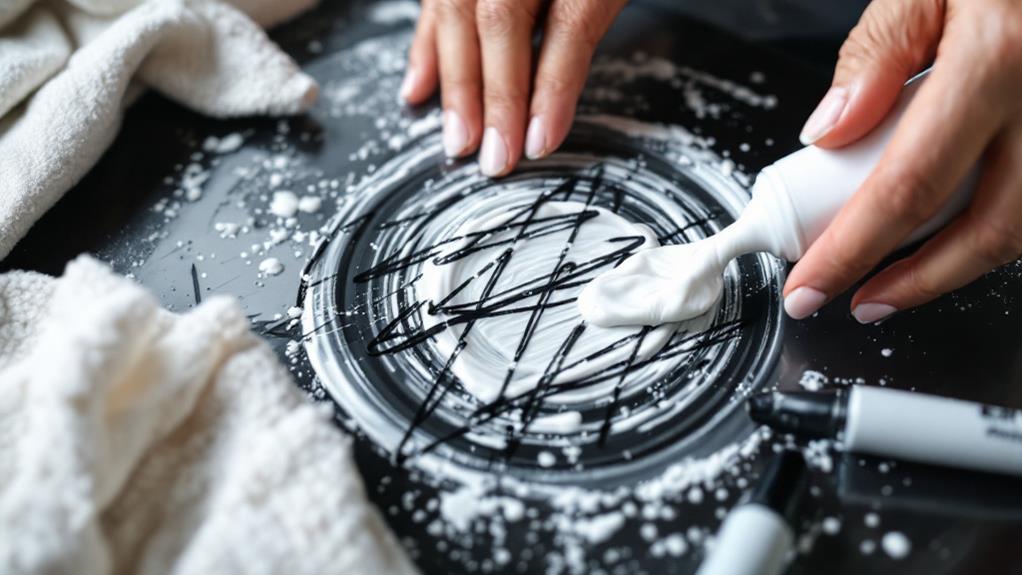
If you're looking for another household solution to remove Sharpie from plastic, consider using toothpaste. It's a common item you likely already have in your bathroom. To get started, choose a non-gel toothpaste, as its slightly abrasive texture helps lift the ink. Whitening toothpaste types work particularly well due to their supplementary cleaning agents.
Begin by applying a small amount of toothpaste directly onto the Sharpie mark. You don't need much; a pea-sized amount should suffice. Use your finger or a soft cloth to gently rub the toothpaste onto the marked area. This application method guarantees that the toothpaste can break down the ink without scratching the plastic.
Continue rubbing in a circular motion for a minute or two. As you do this, you'll notice the ink starting to lift. Once the mark is mostly gone, dampen a clean cloth with water and wipe away the toothpaste residue. If any ink remains, you might need to repeat the process. For stubborn stains, a second application might be necessary. With a little patience, this method can effectively clean your plastic surfaces without causing damage.
Dry Erase Marker Method
Another effective way to tackle Sharpie marks on plastic surfaces is the dry erase marker method. This approach is simple and surprisingly effective. Dry erase markers contain solvents that can lift the permanent ink, making it easy to wipe away. To start, take a dry erase marker and color over the Sharpie mark completely. Be sure to cover every part of the stain with the dry erase ink. Once covered, let it sit for a few seconds.
Next, use a clean cloth or paper towel to wipe away both the dry erase and Sharpie marks. You might need to repeat the process a few times for stubborn stains, but you'll be amazed at how well it works. Here's why you might want to give this method a try:
- Quick and Easy: No need for fancy supplies or special skills.
- Mess-Free: No excessive scrubbing or harsh chemicals involved.
- Cost-Effective: Most of us already have dry erase markers at home.
- Satisfying Results: Watch the stubborn Sharpie marks disappear like magic.
Hand Sanitizer Approach
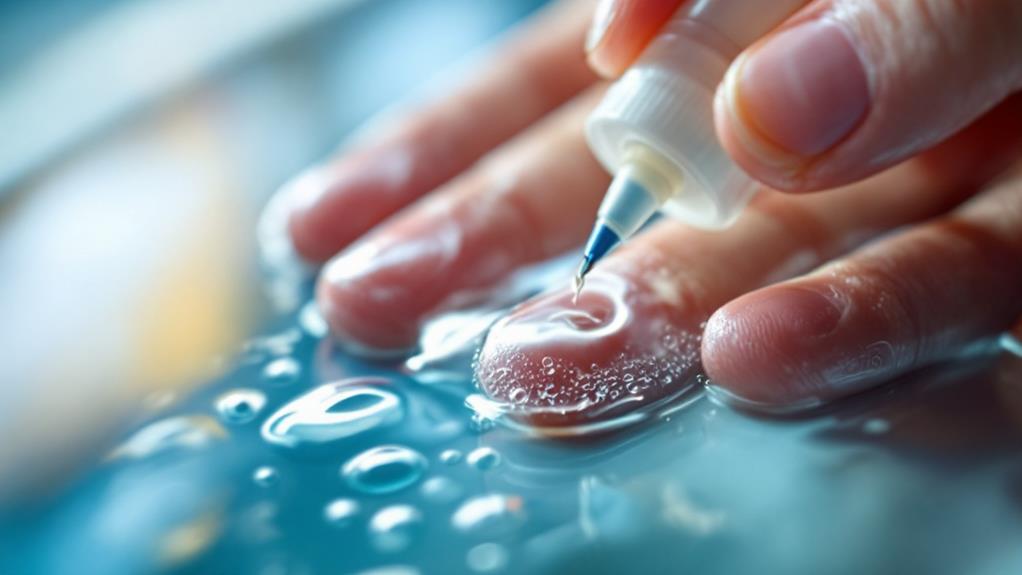
When dealing with stubborn Sharpie stains on plastic, hand sanitizer proves to be a surprisingly effective ally. You might already know that hand sanitizers are great for sanitizing surfaces due to their high alcohol content. This same sanitizing effectiveness can break down the pigments in permanent markers, making them easier to remove.
First, choose a hand sanitizer brand with a high alcohol percentage, as this is essential for removing Sharpie marks. Popular brands like Purell or Germ-X often contain 60-70% alcohol, which works well for this purpose. Apply a generous amount of sanitizer directly onto the stain. Use a clean cloth or paper towel to gently rub the area in a circular motion. You'll notice the ink beginning to dissolve and transfer onto the cloth.
Reapply the hand sanitizer as needed, especially if the stain is particularly stubborn. Continue rubbing until the Sharpie mark fades. Once satisfied, wipe the area with a damp cloth to remove any leftover residue from the sanitizer. This quick and easy method not only utilizes the sanitizing effectiveness of common hand sanitizer brands but also restores your plastic surfaces to their original, stain-free state.
Magic Eraser Usage
Magic Erasers are a popular tool for tackling tough stains, including those left by Sharpie on plastic surfaces. When you're faced with a stubborn Sharpie mark, grab a Magic Eraser and watch its effectiveness unfold. Simply dampen the eraser and gently rub it over the stain. You'll be amazed at how quickly the mark starts to fade away. The secret lies in the eraser's micro-scrubbing technology, which works wonders on diverse surfaces without causing damage.
Using a Magic Eraser can evoke a range of emotions:
- Satisfaction when you see the stain disappearing before your eyes.
- Relief knowing you don't have to replace your stained item.
- Confidence in having a reliable cleaning tool at your disposal.
- Joy in achieving a spotless surface with minimal effort.
If a Magic Eraser isn't available or you're seeking magic eraser alternatives, consider other effective methods. Each alternative offers unique benefits, but few match the sheer ease and efficiency of the Magic Eraser. While it's crucial to assess your specific needs and preferences, the Magic Eraser's effectiveness makes it a go-to choice for many faced with Sharpie mishaps on plastic during this time.
Vinegar and Water Solution
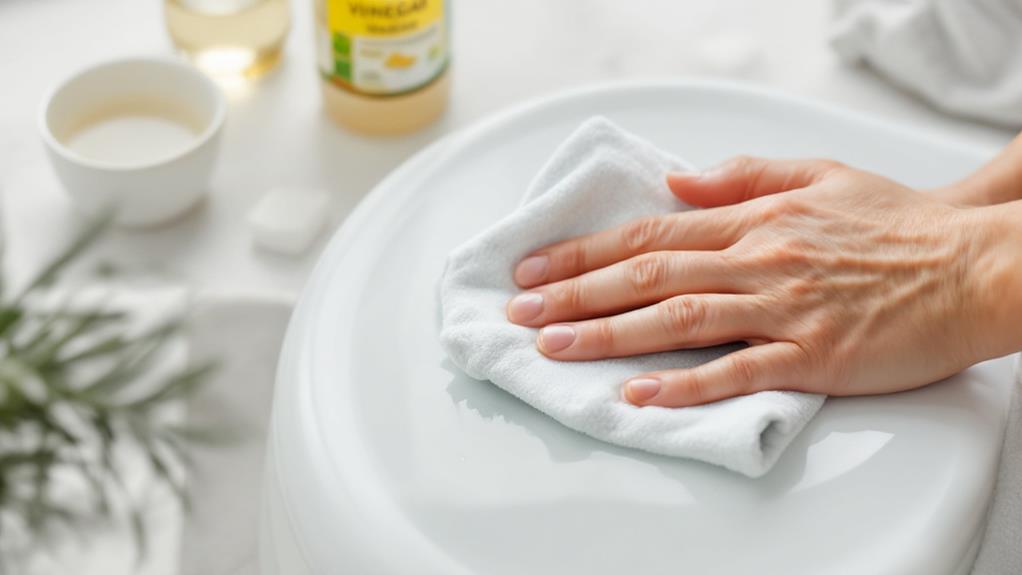
While the Magic Eraser is a powerful ally against Sharpie stains, you might be interested in using a more natural approach. A vinegar and water solution can be an effective alternative. Vinegar is a household staple known for its cleaning prowess, offering numerous benefits like being non-toxic and environmentally friendly. To create your cleaning solution, simply mix equal parts of white vinegar and water for the right water dilution. This mixture helps break down the ink without harsh chemicals.
Begin by dampening a clean cloth or sponge with your vinegar and water solution. Gently rub the stained area on the plastic surface. The acetic acid in vinegar works to dissolve the Sharpie ink, making it easier to wipe away. You may need to apply a bit of pressure, but avoid scrubbing too harshly to prevent scratching the plastic.
If the stain persists, repeat the process. For tough stains, let the solution sit on the mark for a few minutes before wiping. After removing the stain, rinse the area with water to remove any vinegar residue. This method is not only simple but also an eco-friendly option for maintaining pristine plastic surfaces.