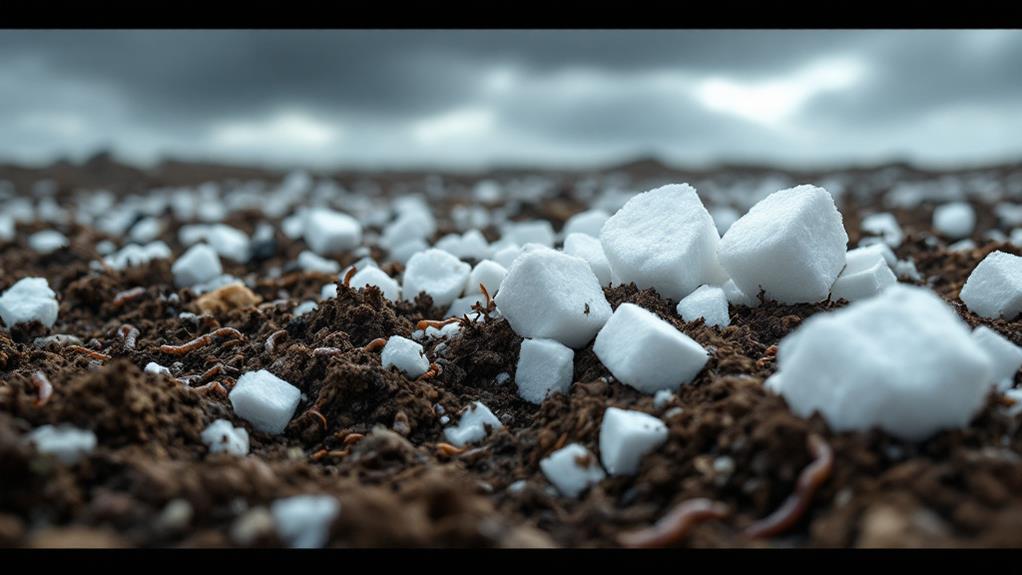
How Does Plastic Get Into the Ocean?
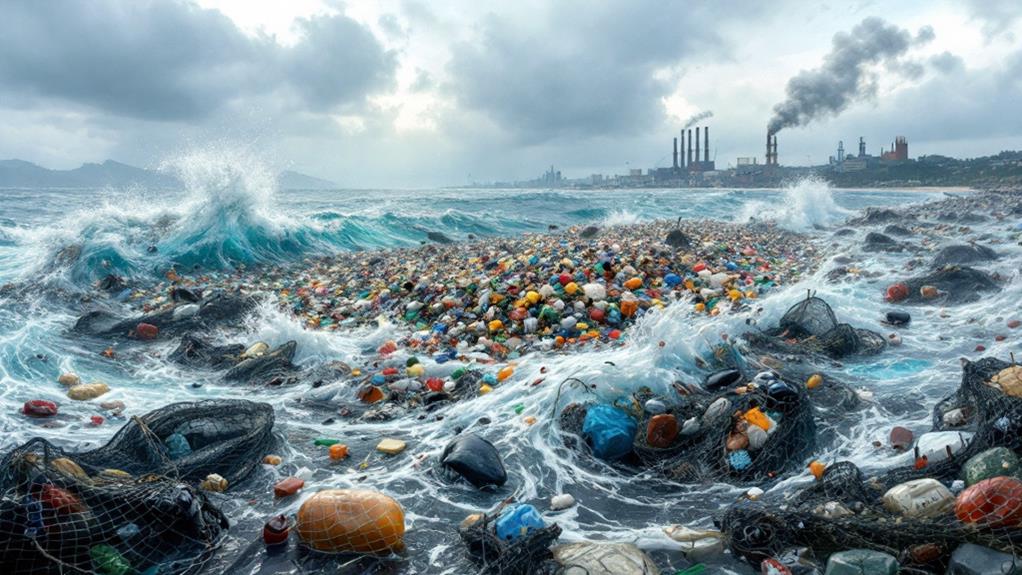
Plastic gets into the ocean through several pathways. Rivers carry discarded items from improper disposal right into the sea. When it rains, urban runoff sweeps plastics into storm drains, bypassing filters. Waste management failures result in plastics designed for recycling languishing in landfills or waterways. Industrial discharges and maritime activities also contribute greatly. Beachgoers leave litter behind, and abandoned fishing gear becomes a hidden threat. Strong winds and severe weather events further transport debris into the ocean. Illegal dumping in unregulated areas exacerbates the issue. There's so much more to uncover about this pressing problem affecting our oceans.
River Transport
In regard to plastic pollution, rivers play an important role in transporting debris to the ocean. You've probably noticed how rivers can act like highways, carrying waste from one place to another. Concerning river pollution, plastics are a major concern. These waterways collect debris from multiple plastic sources before ultimately delivering them to the ocean, where they contribute to the growing marine pollution crisis. Significantly, just as certain factors attract mosquitoes to individuals, the characteristics of a river system can influence the accumulation of plastic debris, making some rivers more susceptible to collecting waste. This includes environmental factors such as flow rate and surrounding land use.
Rivers often gather plastics from areas surrounding them. You might not realize it, but everyday activities contribute to this problem. Improperly disposed of plastic items, ranging from bottles to bags, end up in rivers. Once in the water, these items are swept downstream, accumulating more debris as they travel. It's not just large pieces of plastic that are the culprits; microplastics, tiny fragments broken down from larger items, also permeate river systems.
As you consider the impact of river pollution, it's clear that addressing the sources of plastic waste is important. By understanding how these plastics enter rivers and ultimately the ocean, you can take steps to reduce your own contribution. It's about making informed choices and encouraging others to do the same, helping to protect these significant waterways.
Urban Runoff
Urban runoff is a notable contributor to plastic pollution in our oceans. When it rains, water flows over streets, sidewalks, and other surfaces, picking up litter and debris. This runoff, often filled with plastic waste, enters storm drains and eventually makes its way to the ocean. Urban infrastructure, such as roads and buildings, often lacks the necessary systems to filter out or capture these pollutants before they reach waterways.
You might notice that in many cities, stormwater management systems are outdated or insufficient. They're designed to quickly move water away from urban areas to prevent flooding, but they don't always address the pollutants carried with it. Without proper intervention, plastic waste like bags, bottles, and food packaging can travel long distances via runoff, considerably impacting marine environments.
To mitigate this issue, consider advocating for improved stormwater management practices in your community. Support initiatives that focus on upgrading urban infrastructure to include green spaces, permeable surfaces, and advanced filtration systems. These measures can help reduce the amount of plastic entering waterways. By taking action, you'll contribute to healthier oceans and a cleaner environment for future generations.
Waste Management Failures
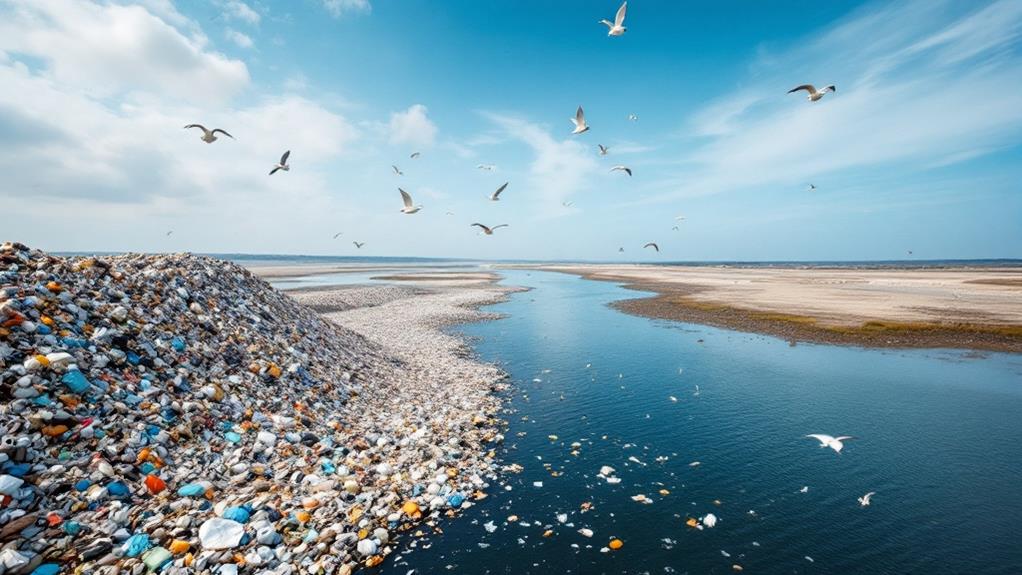
While urban runoff plays a significant role in transporting plastic to the ocean, failures in waste management systems also contribute heavily to this environmental crisis. You might think that once you toss that plastic bottle into a recycling bin, it'll end up being reused. Unfortunately, that's not always the case. Many recycling initiatives fall short due to inadequate infrastructure and lack of funding. When recycling systems aren't efficient or thorough, plastics meant for recycling often end up in landfills or directly in waterways, eventually reaching the ocean. In addition, just as gift cards have expiry dates to manage liabilities, businesses must implement effective waste management practices to prevent excess waste from accumulating. financial implications for companies also highlight the need for responsible consumer behavior in waste disposal.
Moreover, consumer habits play an essential role in waste management success. If you're not diligent about sorting your recyclables properly, even the best systems can fail. Contaminated recycling bins make it challenging for facilities to process materials correctly, leading to more waste being discarded improperly. Furthermore, single-use plastics are still prevalent in daily life, despite awareness campaigns. As a consumer, choosing reusable options and supporting businesses that prioritize sustainable practices can make a difference.
Ultimately, improving waste management requires a combined effort of better recycling initiatives and conscientious consumer behavior. By understanding and addressing these failures, you can help reduce the plastic pollution plaguing our oceans.
Industrial Discharges
Industrial discharges are a major source of oceanic plastic pollution, often overlooked amidst the focus on consumer waste. When industries involved in plastic production discharge wastewater into rivers and oceans, they inadvertently release microplastics and other pollutants. These tiny plastic particles can escape even the best filtration systems. You might think that regulations would prevent such pollution, but enforcement gaps and lack of stringent measures allow these discharges to slip through.
During plastic production, pellets known as nurdles are used as raw material. These nurdles can accidentally spill during transport or handling, ending up in waterways. They're small, lightweight, and easily carried by wind and water, contributing greatly to ocean pollution. Unfortunately, they're difficult to clean up once they enter the environment due to their size and color, blending in with natural sediment.
Recycling challenges compound the issue. Industries might not recycle their plastic waste efficiently, leading to excess waste that gets improperly disposed of. You'd expect recycling to mitigate plastic pollution, but it's not always feasible. The complexity of sorting and processing different types of plastic creates hurdles, resulting in more plastic escaping into aquatic systems. Addressing industrial discharges requires vigilant monitoring and robust enforcement to protect our oceans.
Maritime Activities
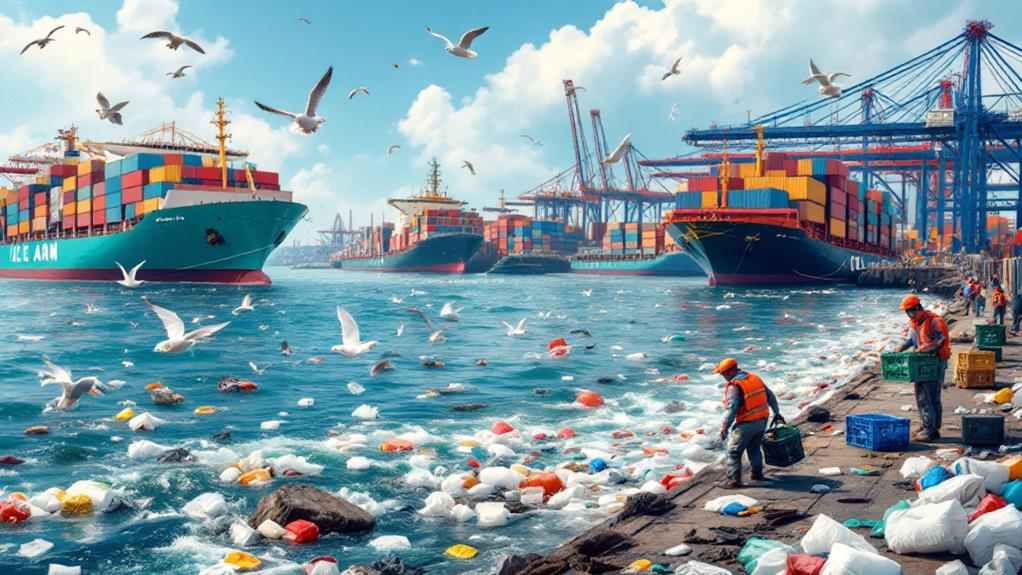
Maritime activities greatly contribute to oceanic plastic pollution, often underappreciated in discussions about environmental preservation. When you consider the vast number of shipping containers traversing the seas, it's easy to see how accidents or negligence can lead to plastic spillage. Containers sometimes fall overboard, releasing their contents into the ocean. Even when regulations are in place to prevent such mishaps, enforcement can be inconsistent, and violations may go unnoticed.
In addition to shipping containers, vessel maintenance plays a significant role. During routine upkeep, plastic debris such as packaging materials or discarded equipment can inadvertently end up in the water. Proper waste management onboard is vital, yet not always strictly followed, leading to unnecessary pollution.
Cargo handling at ports is another point of concern. When you're managing tons of goods, mishandling is bound to happen, and plastic materials often find their way into the ocean. Effective port operations need to prioritize minimizing waste, but lapses occur. Maritime regulations aim to mitigate these issues, but without strict adherence, their effectiveness dwindles. Your awareness and insistence on following these guidelines can help reduce the impact of maritime activities on our oceans.
Beach Littering
Beyond the open seas, another significant source of oceanic plastic pollution emerges from our very shores. As you stroll along the beach, it's easy to overlook the small items left behind—bottles, wrappers, and bags. These seemingly minor remnants quickly become part of a larger problem, contributing to the staggering amount of plastic in our oceans. It's essential to understand the impact of beach littering and take action to combat it.
Here are four ways you can make a difference:
- Participate in beach cleanups: Join local efforts to remove trash from the coastline. Every piece of plastic you collect is one less piece entering the ocean.
- Increase public awareness: Educate others about the harmful effects of littering on marine life and ecosystems. Sharing knowledge can lead to collective behavioral change.
- Dispose of waste responsibly: Always use designated trash and recycling bins. Proper disposal prevents litter from being blown or washed into the sea.
- Advocate for policy changes: Support initiatives that aim to reduce single-use plastics and promote sustainable practices. Policy changes at a larger scale can have a significant impact.
Fishing Gear Abandonment

Fishing gear abandonment is a silent but serious contributor to oceanic plastic pollution. When fishing nets, lines, and traps are left behind or lost in the ocean, they continue to pose a threat long after their intended use. This phenomenon, known as ghost fishing, occurs when these discarded tools keep trapping and killing marine life. You might not realize it, but abandoned gear can entangle fish, turtles, and even dolphins, causing unnecessary harm to the marine ecosystem.
You need to understand that ghost fishing doesn't just affect marine animals directly. It disrupts the balance of the entire marine ecosystem. When certain species are unintentionally caught and killed, it can lead to a cascade of negative effects on other species that rely on them for food or other ecological roles. Over time, this imbalance can weaken the health of the ocean's biodiversity.
Moreover, the plastic from abandoned gear breaks down into microplastics, further infiltrating the ocean's waters and food chains. As a part of the solution, you can support sustainable fishing practices and initiatives that aim to recover and recycle lost gear. Every effort counts in protecting the ocean and its inhabitants from this silent menace.
Wind and Weather Effects
While ghost fishing is a major concern, it's not the only way plastic finds its way into the ocean. Wind and weather play significant roles in transporting plastic debris from land to sea. Imagine a piece of plastic litter in a coastal region. Wind gusts can easily lift and carry it toward the water. Once it reaches the shoreline, the plastic gets caught in ocean currents, which can transport it across vast distances. This movement not only spreads plastic pollution but also accelerates the process of plastic degradation.
Consider the following impacts of wind and weather on plastic pollution:
- Wind Displacement: Strong gusts can move lightweight plastics from land to ocean, bypassing human efforts to contain waste.
- Wave Action: Waves break down plastics into microplastics, complicating cleanup efforts.
- Temperature Variations: Fluctuating temperatures can cause plastic degradation, releasing harmful chemicals into the water.
- Storm Events: Severe weather, like hurricanes or typhoons, can wash large amounts of debris into the ocean.
Illegal Dumping

Illegal dumping often flies under the radar but plays a significant role in ocean plastic pollution. You might not see it firsthand, but the problem is more widespread than you'd think. People and companies sometimes avoid proper waste disposal methods, opting for illegal landfills instead. These sites are often unregulated and lack the necessary safeguards to prevent plastic and other waste from seeping into waterways. Once in the waterways, that plastic waste can make its way to the ocean, contributing to the growing crisis of marine pollution.
You should also be aware of the issue of plastic smuggling. This illegal activity involves moving plastic waste across borders, often to countries with less stringent waste management practices. The smuggled plastic often ends up in unauthorized dumps, where it can easily escape into the environment. Without the proper oversight, this waste can quickly find its way to rivers and, eventually, the ocean.