How Is Plastic Manufactured? Understanding the Process
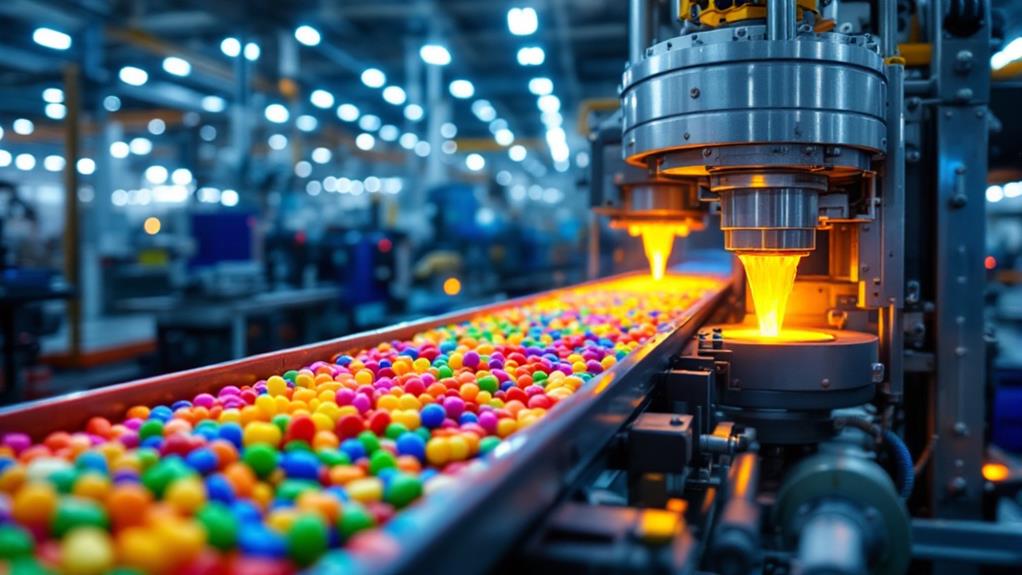
To understand plastic manufacturing, start with its raw materials—crude oil or natural gas—refined into polymers. These polymers undergo processes like polymerization to form plastic. They're then shaped using techniques like extrusion, which pushes melted polymers through a die, or injection molding, which fills molds with hot plastic. Blow molding creates hollow items by inflating heated plastics, while rotational molding and thermoforming provide versatility in design. Additives improve the properties, and recycling helps reduce environmental impact. With emerging sustainable methods, the progression from material to product offers exciting innovations you'll find intriguing.
Raw Materials and Polymers
Plastic production begins with the significant building blocks: raw materials and polymers. As you investigate this process, it's imperative to understand that traditional plastics are primarily derived from non-renewable resources like crude oil and natural gas. These raw materials are refined and processed to produce diverse types of polymers, which serve as the backbone for countless plastic products you encounter daily. The production process involves methods such as polymerization and polycondensation, which link smaller molecules to form larger chains. However, with growing environmental concerns, biopolymer alternatives are gaining traction. These biopolymers are made from renewable resources such as corn starch or sugarcane, presenting a more sustainable option for plastic production.
It's significant to reflect on the role of recycling methods in this scenario. Recycling not only reduces the dependency on virgin raw materials but also minimizes the environmental footprint of plastic production. By reusing and repurposing existing plastics, you can help cut down on waste and conserve resources. These methods, coupled with the integration of biopolymer alternatives, are reshaping the landscape of plastic manufacturing. As you navigate this evolving industry, adopting sustainable practices and supporting groundbreaking solutions will be imperative in reducing the environmental impact of plastics and fostering a more eco-friendly future.
Polymerization Techniques
When investigating polymerization techniques, you examine the core processes that transform monomers into polymers, the fundamental components of plastics. One of the primary methods you'll study is addition polymerization, where a chain reaction plays a significant role. In this process, monomers with double bonds, like ethylene, react to form long polymer chains. An initiator kick-starts the reaction, and each monomer adds to the chain, propagating the reaction rapidly. This technique is necessary for creating polymers like polyethylene and polypropylene, which are foundational in the plastic industry. Notably, just as onions have been recognized for their versatility and health benefits in different cuisines, the adaptability of plastics can be improved through alternative polymerization techniques, including copolymer synthesis.
Another technique you'll encounter is condensation polymerization. Unlike addition polymerization, this process involves monomers with two functional groups reacting to form a polymer and a small byproduct, often water. This method is key for producing materials like nylon and polyester, which are important in various applications.
Copolymers synthesis is another captivating aspect of polymerization. By combining two or more different monomers, you can create copolymers with tailored properties, improving plastic versatility. This method allows you to manipulate characteristics like strength, flexibility, and resistance to chemicals, making copolymers indispensable in specialized industries. Understanding these techniques is vital for grasping how diverse and adaptable plastics can be.
Extrusion Process
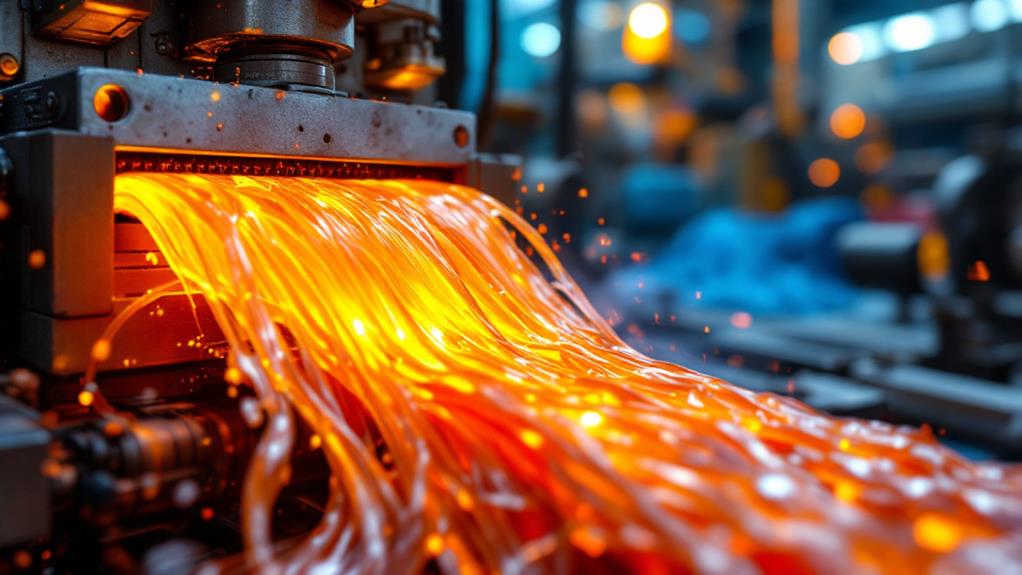
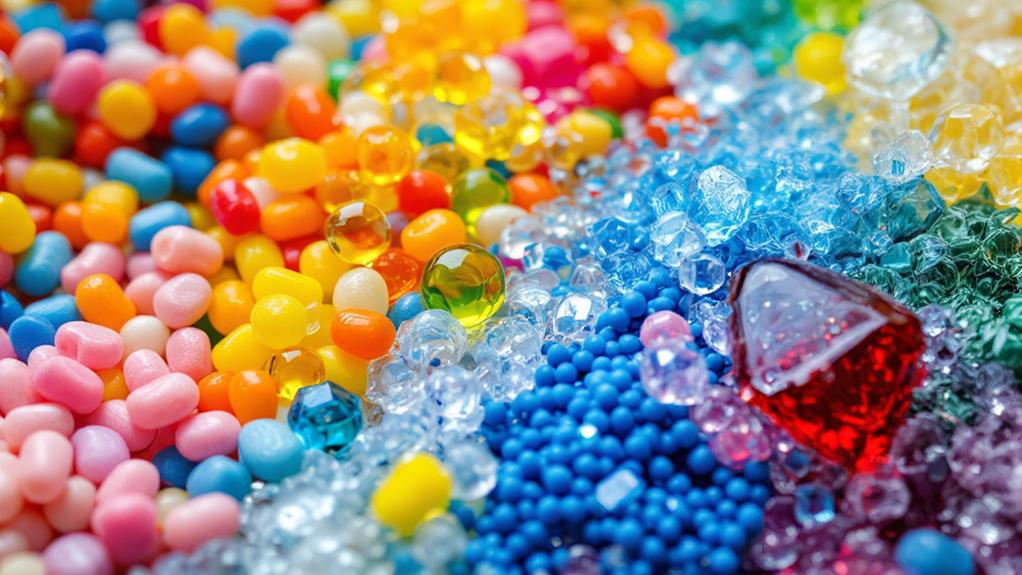
Although often overlooked, the extrusion process is a critical step in plastic manufacturing, transforming raw polymer materials into usable forms. When you explore extrusion techniques, you'll find it's all about pushing material through a shaped die to create continuous profiles. This process begins by feeding plastic pellets or granules into an extruder. Inside, the material is heated, melted, and then forced through a die, which molds it into specific shapes like tubes, sheets, or profiles.
Extrusion techniques offer numerous benefits. They allow for high-volume production, cost-effectiveness, and the ability to create complex shapes with minimal waste. You can adjust the process to handle different types of plastics, making it versatile for a wide range of applications. Regardless of whether you're creating PVC pipes, plastic films, or even intricate window frames, extrusion applications are vast and diverse.
Understanding extrusion applications helps you see why this method is indispensable across industries. It's used in packaging, automotive parts, construction materials, and more. By mastering these techniques, you can produce consistent, quality products efficiently. Welcome the extrusion process, and you'll harness a powerful tool in the world of plastic manufacturing.
Injection Molding
In the domain of plastic manufacturing, injection molding stands out as a key process, efficiently transforming raw materials into finished products. You'll find it remarkable how this technique can produce complex components with precision and speed. At the heart of injection molding is a well-crafted mold design, which dictates the final product's shape and intricacies. The process begins with plastic pellets melting in a heated barrel, then injected into the mold cavity under high pressure. Once cooled, the mold opens, revealing a perfectly formed item.
Cycle time is essential in injection molding, impacting production efficiency and cost-effectiveness. A quick cycle time means more parts produced in less time, enhancing productivity. You'll appreciate how every detail, from the mold design to the temperature settings, plays a role in achieving the ideal cycle time.
Here's why injection molding might just capture your heart:
- Precision: Craft intricate designs with stunning accuracy.
- Speed: Witness rapid production that meets high demand.
- Versatility: Create a range of products, from toys to automotive parts.
- Efficiency: Optimize resources and reduce waste.
- Innovation: Push the boundaries of what's possible with plastic.
This process truly embodies the marvel of modern manufacturing.
Blow Molding
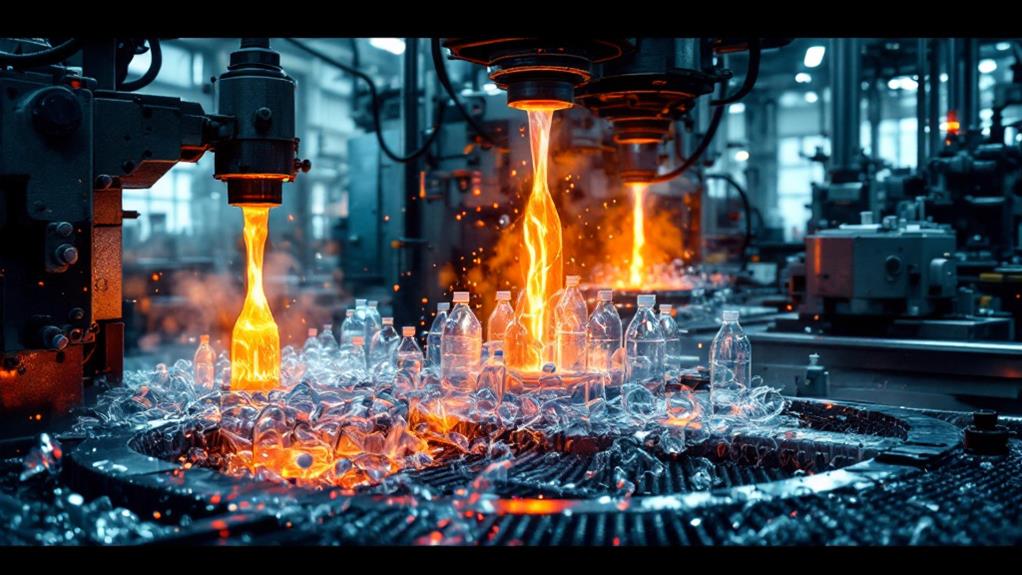
Blow molding is another fascinating method in the world of plastic manufacturing, known for its ability to create hollow products like bottles and containers with ease. It starts by heating plastic until it's pliable, then shaping it using a mold. Air is blown into the mold, expanding the plastic to fit the mold's contours. This process is efficient and precise, making it ideal for producing uniform, lightweight products.
In blow molding applications, you'll find a wide range of products that are vital to everyday life. From beverage bottles and shampoo containers to fuel tanks and even toys, blow molding offers versatility in design and function. The method is especially valued in industries that demand high volumes and consistent quality.
One of the significant blow molding advantages is its cost-effectiveness. The process allows for rapid production of identical items, reducing labor costs and material waste. Furthermore, the lightweight nature of blow-molded products can lead to lower shipping costs. Another advantage is the ability to produce complex shapes with uniform wall thickness, ensuring durability and functionality. By mastering blow molding, you can efficiently meet consumer demands while keeping production streamlined and economical.
Rotational Molding
Moving from the high-speed efficiency of blow molding to the distinct process of rotational molding, you enter a domain where craftsmanship meets innovation in plastic manufacturing. In rotational molding, also known as rotomolding, you'll find a unique method that involves a heated mold filled with powdered plastic. This mold rotates along two perpendicular axes, allowing the plastic to coat the mold's interior evenly, creating hollow, seamless products.
The rotational advantages are evident in the uniformity and durability of the items produced. Unlike other methods, rotomolding allows for intricate shapes and large-scale products without compromising structural integrity. It's ideal for producing tanks, playground equipment, and even intricate decorative pieces.
Rotational applications are vast and varied, offering you endless possibilities. Regardless of whether you're crafting a custom kayak or a large storage container, this method provides flexibility and precision.
Consider the emotional impact of rotational molding:
- Versatility in design and application
- Durability that withstands the proof of time
- Efficiency in producing large, complex items
- Creativity released in unique shapes and forms
- Sustainability through minimal waste and recyclable materials
With these benefits, rotational molding stands as a demonstration of what's possible in plastic manufacturing.
Thermoforming Techniques
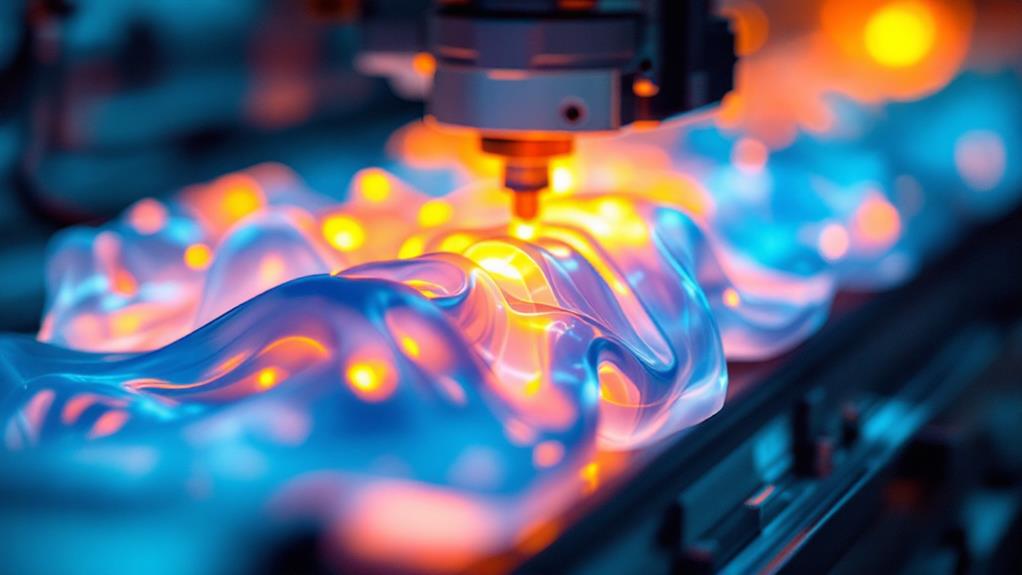
As you investigate thermoforming techniques, you'll uncover a process that transforms sheets of plastic into detailed, functional shapes through the application of heat and pressure. This method is both adaptable and efficient, allowing you to create everything from simple packaging to complex automotive parts. Thermoforming begins by heating a plastic sheet until it softens. Then, it's stretched over a mold and shaped using vacuum, pressure, or mechanical force. Once cooled, the plastic retains the shape of the mold, ready for final trimming and finishing.
You'll find that thermoforming equipment is essential in this process. It includes machines that handle heating, forming, and trimming tasks. Different types of thermoforming equipment, such as vacuum formers and pressure formers, cater to a range of needs based on the complexity and precision required in the final product.
Thermoforming applications span numerous industries. In the food industry, it creates containers and trays; in automotive, it produces interior components. Regardless of it's making product packaging or crafting medical device housings, thermoforming offers a cost-effective and scalable solution. By understanding these techniques, you can appreciate how thermoforming contributes greatly to the varied world of plastic manufacturing.
Additives and Compounding
Exploring further into plastic manufacturing, you'll encounter the vital role of additives and compounding in improving plastic properties. Additives are essential in tailoring plastics to meet specific needs, making them more durable, flexible, or flame-resistant. You'll find a range of additive types, each serving a unique purpose. For instance, stabilizers protect against UV radiation, while plasticizers increase flexibility. Compounding methods blend these additives into the base polymer, creating a uniform substance ready for production.
In the compounding process, precision is key. Mixing equipment guarantees the right amount of each additive type is evenly distributed. This step requires careful control of temperature and pressure to maintain the integrity of the mixture. By mastering these compounding methods, manufacturers can produce plastics that perform under different conditions, meeting consumer and industrial demands.
Consider the impact of these improvements:
- Longevity: Imagine products that last longer, reducing waste.
- Safety: Think about safer materials for everyday use.
- Innovation: Picture new possibilities in design and function.
- Sustainability: Envision reducing resource consumption.
- Efficiency: Visualize processes that save time and energy.
Through additives and compounding, plastics become adaptable, serving endless applications in our daily lives.
Environmental Impact
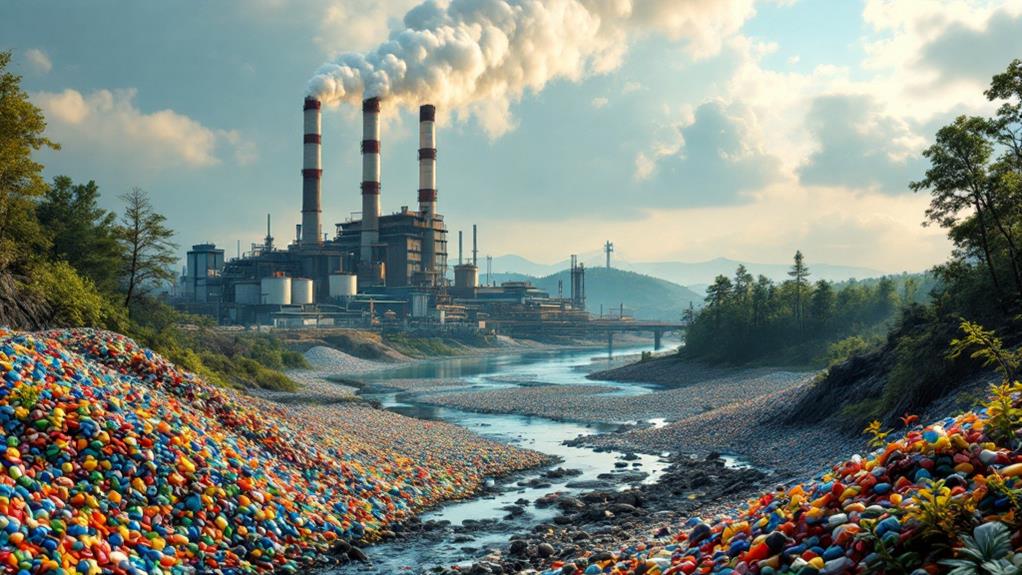
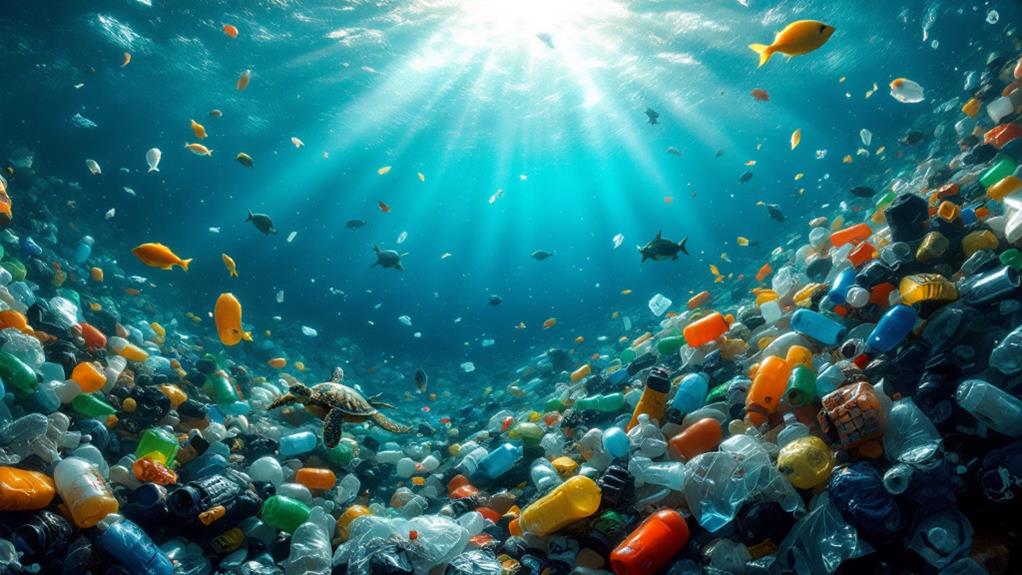
Considering the intricate relationship between plastic manufacturing and the environment, it is crucial to understand its profound impact. When you think about the process, it involves significant energy consumption and greenhouse gas emissions. The production itself relies heavily on fossil fuels, further contributing to environmental degradation. As plastic waste accumulates, it poses a threat to wildlife and marine ecosystems, sometimes taking hundreds of years to decompose.
You might wonder how recycling methods can help mitigate this impact. Recycling reduces the need for virgin materials, thereby lowering energy usage and emissions. However, not all plastics are recyclable, and improper sorting can contaminate entire batches. As a result, only a fraction of plastic is recycled, leaving much to end up in landfills and oceans.
Exploring biodegradable alternatives offers another potential solution. These plastics break down more quickly and reduce long-term pollution. However, their production can still involve harmful chemicals and resource consumption. To truly understand the environmental impact, you must weigh the benefits and limitations of these methods. By doing so, you can better appreciate the challenges faced in reducing plastic's environmental footprint and the significance of informed choices in everyday life.
Innovations in Sustainability
In recent years, remarkable innovations in sustainability have emerged within the plastic manufacturing industry. You can now find biodegradable alternatives that break down naturally, reducing the burden on landfills. Companies are pushing the envelope with advanced recycling technologies, making it easier to transform used plastic into new products. This means less plastic waste polluting our planet.
Manufacturers are also focusing on sustainable sourcing, choosing eco friendly materials that don't harm ecosystems. By adopting a circular economy model, the industry is endeavoring to keep resources in use for as long as possible, minimizing waste and maximizing value. This shift not only benefits the environment but also supports a more sustainable future for everyone.
These innovations evoke hope and excitement for a cleaner planet:
- 🌍 Imagine a world with minimal plastic waste cluttering our landscapes.
- ♻️ Picture recycling systems so efficient that plastic waste becomes obsolete.
- 🌱 Visualize materials that naturally degrade, leaving no trace behind.
- 🌏 Envision a shift towards materials that nurture, not harm, our earth.
- 👀 See the potential of a circular economy where waste is a thing of the past.
Embrace these changes and contribute to a sustainable future.