How Is Plastic Waste Converted Into Energy?
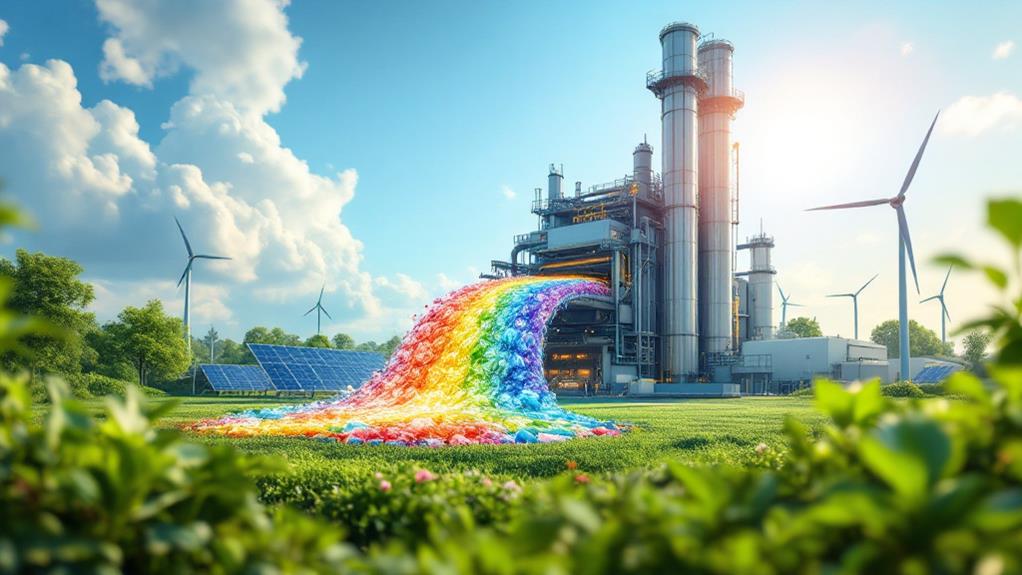
You can convert plastic waste into energy through different technologies. Pyrolysis heats plastics without oxygen, breaking them into synthetic gas and liquid fuels that can be refined further. Gasification uses limited oxygen to transform plastics into syngas—a cleaner alternative for energy with high thermal efficiency. Incineration burns plastic waste at high temperatures, using the heat to produce steam and generate electricity while controlling emissions. These methods reduce landfill volume and greenhouse gases, offering a cleaner way to reuse waste. Each technology has unique processes and benefits you'll find as you investigate the options for transforming waste into valuable energy.
Understanding Plastic Waste Challenges
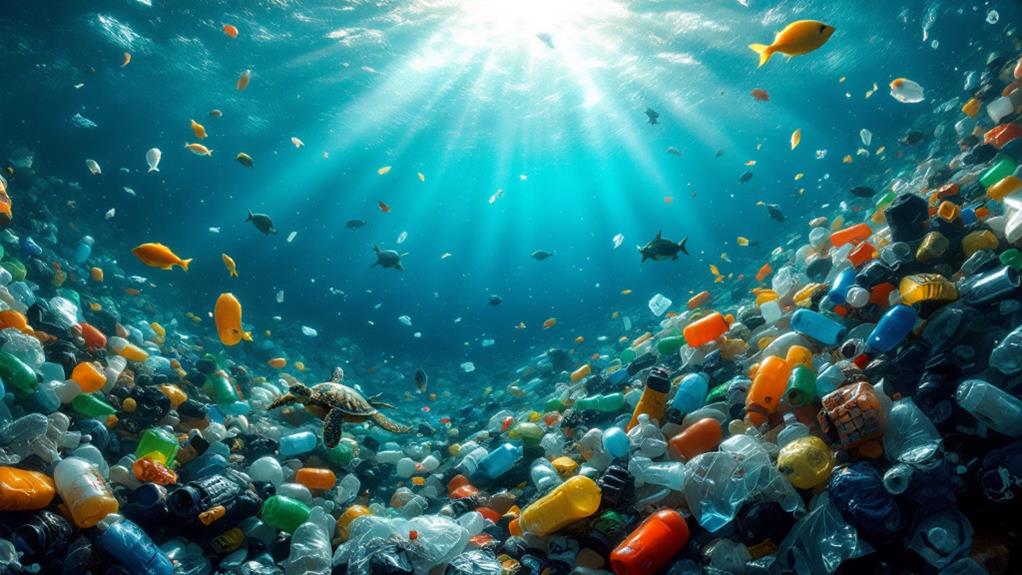
Plastic waste presents complex challenges that impact both the environment and human health. You might not realize it, but plastic pollution is everywhere—from the oceans to the streets of your city. Every piece of plastic that isn't properly disposed of contributes to a growing global crisis. When plastics end up in landfills or natural habitats, they break down into microplastics, contaminating the water and soil. This pollution affects wildlife and can even make its way into the food chain, posing risks to human health. Furthermore, the geographical distribution of waste, similar to how regions like Great Britain encompasses diverse cultures, complicates effective waste management and recycling strategies.
Recycling is often touted as a solution, but there are significant recycling limitations you should be aware of. Only a small percentage of plastic waste is actually recycled. This is because many types of plastics can't be processed together, and sorting them is labor-intensive and costly. Moreover, the quality of recycled plastics often degrades, limiting their usability. As a result, much of the plastic waste that could be recycled ends up being incinerated or landfilled instead.
Understanding these challenges is vital for addressing the plastic waste problem. By being informed, you can make better choices and contribute to reducing plastic pollution in meaningful ways.
The Role of Pyrolysis
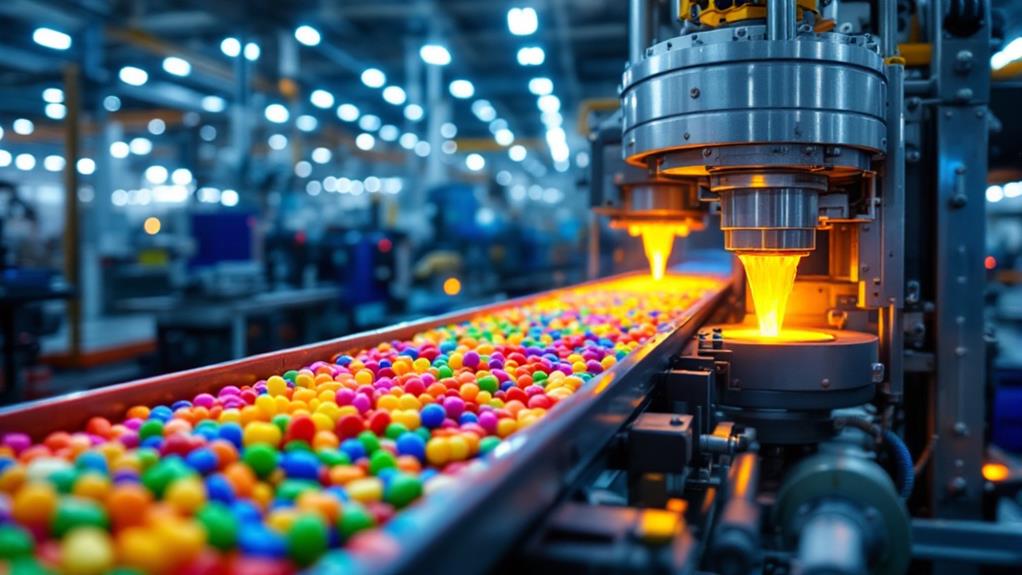
While recycling has its limitations, there's a groundbreaking approach that can help tackle plastic waste: pyrolysis. This process involves heating plastic waste in the absence of oxygen, causing it to break down into smaller molecules. As you investigate this method, you'll find that the pyrolysis process effectively converts plastic into valuable substances like synthetic gas, liquid fuel, and char, which can be used for energy conversion. Furthermore, just as lithium-ion batteries degrade over time, the composition of plastic waste can also affect the efficiency of the pyrolysis process due to impurities that may be present in the materials. Understanding these battery degradation mechanisms can provide insight into optimizing the pyrolysis approach for better energy yields.
Imagine taking those heaps of plastic waste and transforming them into something useful. The pyrolysis process doesn't just reduce the volume of waste but also generates energy-rich outputs. The liquid fuels produced can be refined into diesel or gasoline, providing alternatives to fossil fuels. Synthetic gas, or syngas, is another byproduct, which can be used directly for electricity generation or heat production.
When you consider the environmental benefits, pyrolysis stands out. It reduces reliance on landfills and diminishes the environmental footprint of plastic waste. By converting plastic waste into energy, you're not just addressing pollution but also contributing to a more sustainable energy solution. Accept this creative technique, and you'll play a part in reshaping how we view and handle plastic waste.
Exploring Gasification Techniques
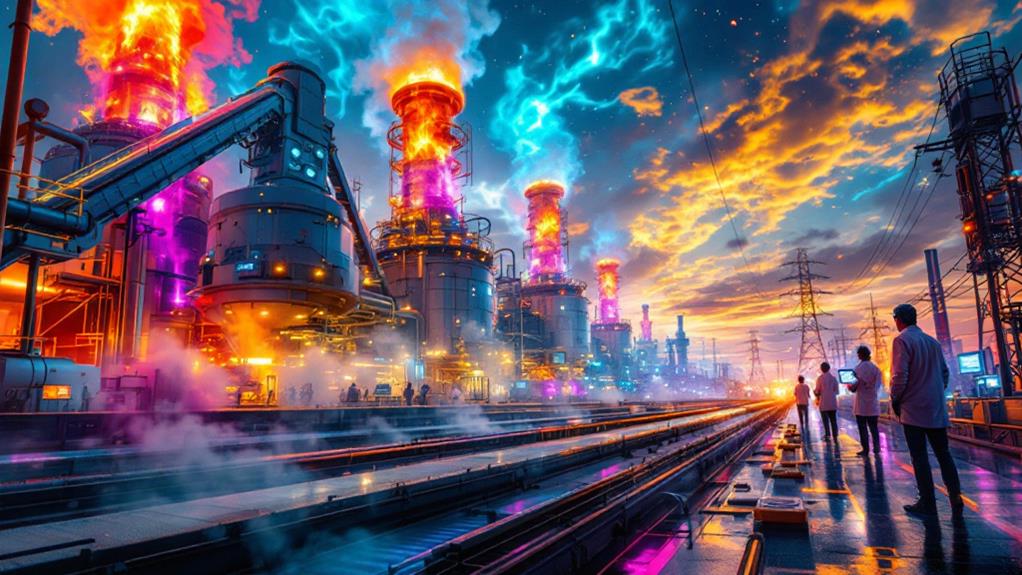
Delving into gasification techniques reveals another promising method for converting plastic waste into energy. You might wonder how gasification differs from other methods. In simple terms, gasification processes involve heating plastic waste to high temperatures in a controlled environment, often with limited oxygen. This approach breaks down the plastics into synthetic gas, or syngas, which primarily consists of hydrogen, carbon monoxide, and some carbon dioxide. Unlike incineration, gasification doesn't burn the waste directly, which often results in cleaner emissions and offers a more environmentally friendly alternative.
You'll find that the thermal efficiency of gasification is a key advantage. High thermal efficiency means more energy is captured from the waste, making the process economically viable and attractive for large-scale applications. It allows for the recovery of valuable energy that can be used to generate electricity or serve as a feedstock for producing chemicals and fuels.
Incineration for Energy Recovery
When considering energy recovery from plastic waste, incineration stands out as one of the most straightforward methods. It involves burning plastic waste at high temperatures, converting it into usable energy. Here's how you can understand the process better:
- Incineration Processes: Initially, the waste is collected and transported to an incineration facility. Once there, it's fed into a furnace where it's burned. The heat generated from this process is used to produce steam, which then drives turbines to generate electricity.
- Emission Controls: Emission controls are essential in these facilities. Modern incineration plants use advanced technologies to capture and reduce harmful emissions. Filters and scrubbers are common tools that help prevent pollutants from entering the atmosphere, ensuring the process is environmentally friendly.
- Efficiency and Output: The efficiency of incineration processes depends on the technology used and the type of waste burned. By optimizing these factors, you can increase energy output while minimizing environmental impact.
Benefits of Waste-to-Energy
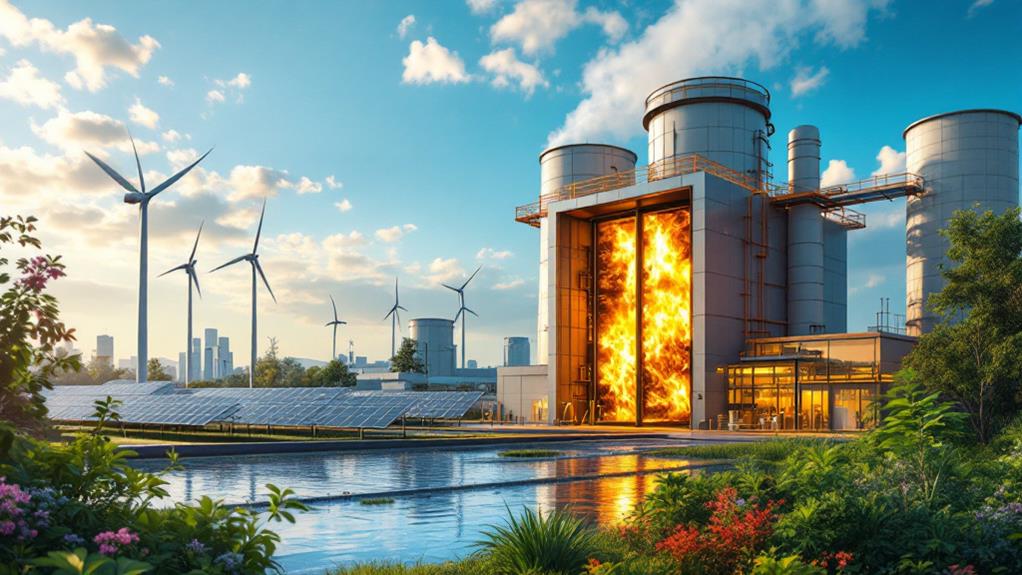
Exploring the benefits of waste-to-energy, you'll find that this method not only addresses waste management issues but also contributes greatly to energy production. By converting plastic waste into energy, you're not just reducing the volume of waste headed to landfills, but you're also producing a substantial amount of energy that can power homes and industries. This dual action provides clear economic advantages, as it decreases the dependency on fossil fuels and reduces landfill management costs.
With waste-to-energy, the environmental impact is also greatly minimized. You help lower greenhouse gas emissions by preventing methane release from decomposing waste in landfills. Furthermore, controlled burning of waste in waste-to-energy plants results in far fewer emissions compared to uncontrolled landfill decomposition. This method effectively tackles pollution issues while simultaneously generating energy.
Another benefit is the creation of jobs, enhancing the local economy. Facilities dedicated to waste-to-energy conversion require skilled workers for operation and maintenance, thereby generating employment opportunities. So, not only does this technology support a cleaner environment, but it also fosters economic growth by creating a sustainable cycle of waste management and energy production.
Future Innovations in Conversion
In looking towards the future of plastic waste conversion, you'll find that innovations are set to revolutionize how we handle waste and energy production. New technologies aim to improve efficiency and sustainability in this process. One exciting development is the move towards integrating biodegradable alternatives into the waste stream. These alternatives break down more easily, reducing the long-term environmental impact and facilitating cleaner energy conversion.
The concept of a circular economy is also gaining traction. By designing products with the end in mind, we can guarantee that materials remain in circulation longer and produce less waste. This approach not only minimizes the need for virgin plastics but also optimizes the potential for energy recovery.
Here are three key innovations shaping the future:
- Advanced sorting technologies: These systems use AI and machine learning to efficiently separate plastics, assuring more effective conversion processes.
- Biochemical conversion methods: These methods utilize enzymes to break down plastics, offering a promising route for cleaner energy production.
- Improved pyrolysis techniques: These techniques enhance the conversion of plastic to fuel, making it a more viable and efficient energy source.