How Is Polystyrene Made?
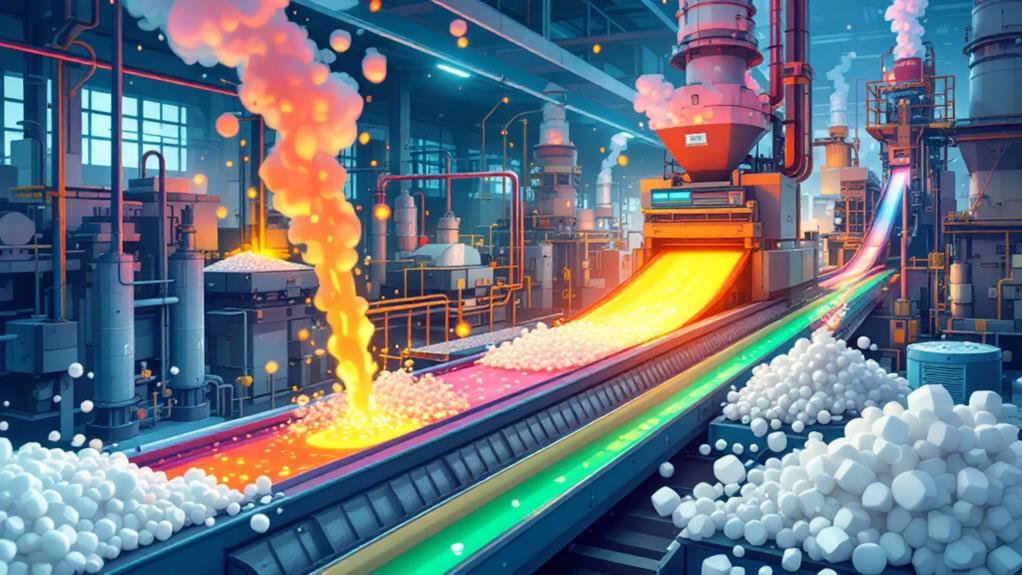
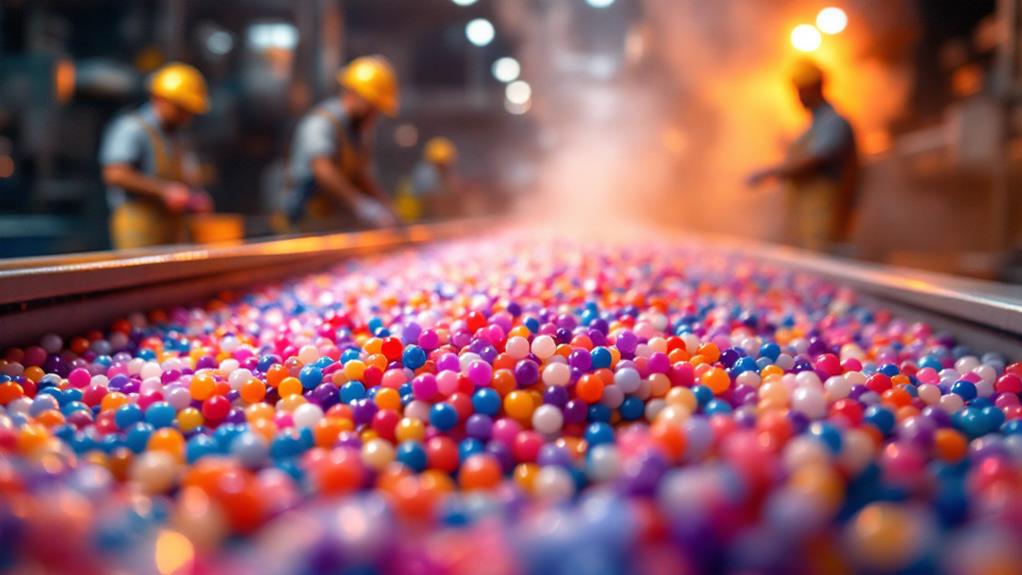
To make polystyrene, start with styrene, usually sourced from petroleum or natural gas. Styrene is derived from ethylbenzene through a process called dehydrogenation, where heat and catalysts play a key role. Once purified, the styrene monomers undergo polymerization, linking into long chains to form polystyrene. Control of temperature and conditions is essential at this stage to guarantee quality. The polystyrene is then melted and shaped by extrusion or molding techniques. These processes create different types, such as lightweight expanded polystyrene for packaging or durable high-impact polystyrene for products. Uncovering these methods reveals its widespread industrial applications.
Raw Materials and Sources
Polystyrene is primarily made from a synthetic aromatic hydrocarbon known as styrene, which originates from petroleum or natural gas. Geothermal energy, as a sustainable energy source, highlights the significance of investigating alternative raw materials in diverse industries, including plastics. You might wonder if there are alternative raw materials or renewable sources for producing polystyrene. While the traditional route relies heavily on fossil fuels, the industry is seeking creative ways to shift toward more sustainable practices. Researchers are investigating bio-based styrene, which can be derived from renewable sources like plant materials. This shift not only reduces reliance on petroleum but also diminishes the environmental impact associated with polystyrene production.
When considering alternative materials, it's crucial to keep in mind that polystyrene's popularity comes from its versatility and cost-effectiveness. However, there's a growing interest in developing renewable and biodegradable alternatives that can perform in a comparable manner. For instance, some companies are experimenting with materials made from corn or sugarcane, which are more environmentally friendly. These alternatives aim to offer the same benefits as traditional polystyrene while reducing ecological footprints.
As you investigate the raw materials for polystyrene, keep an eye on advancements in renewable sources and alternative materials. They hold the potential to revolutionize how polystyrene is produced, making it more sustainable for future generations.
Styrene Monomer Production
Building on the exploration of raw materials, let's focus on the production of styrene monomer, a key component in creating polystyrene. To kick off the styrene synthesis, you'll start with ethylbenzene, which is derived from benzene and ethylene. These substances undergo dehydrogenation, a process where hydrogen atoms are removed, transforming ethylbenzene into styrene. This reaction typically occurs in the presence of a catalyst at high temperatures, encouraging the conversion while maximizing yield and efficiency. The production process of plastics begins with such fundamental compounds, highlighting the intricate chemistry involved in synthetic materials like polystyrene, which is categorized as a polymer produced from primary chemicals.
Once you've synthesized styrene, the next significant step is monomer purification. This process guarantees that the styrene is free from impurities, which is critical for producing high-quality polystyrene. You'll use distillation as a primary method to purify the monomer, where impurities are separated based on differences in boiling points. This step is important as even slight contamination can affect the properties of the final polystyrene product.
After purification, you'll obtain a clear, pure styrene monomer ready for the next phase. Understanding these steps in styrene monomer production equips you with the knowledge to appreciate the complexities involved in creating polystyrene, confirming each element meets precise standards.
Polymerization Process
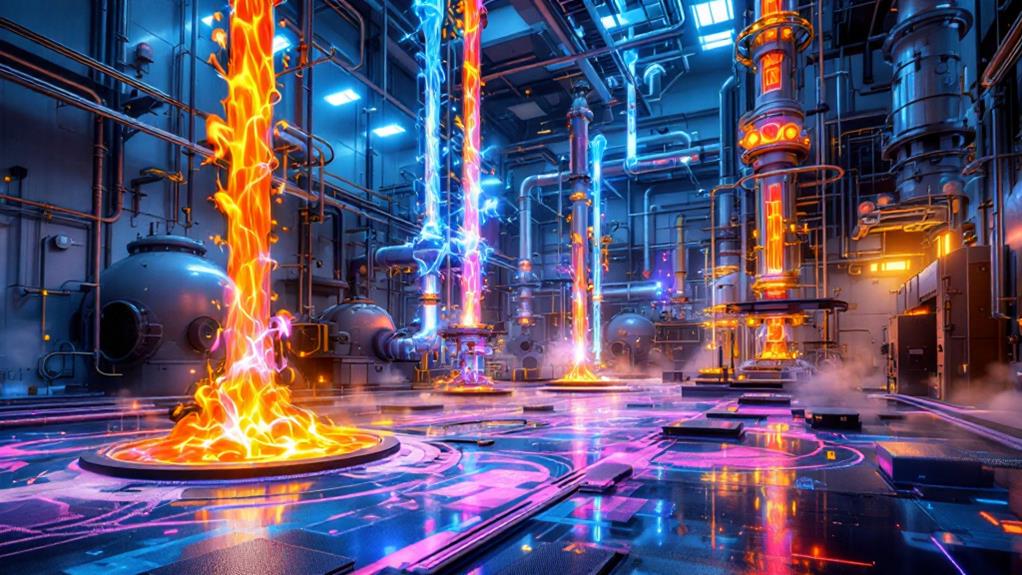
Typically, after obtaining pure styrene monomer, you'll proceed to the polymerization process, where these monomers link to form polystyrene. This vital step begins with initiating polymerization, which involves the use of initiators—compounds that trigger the styrene molecules to start linking together. You might use heat or chemical initiators, such as benzoyl peroxide, to get the reaction going.
As the initiators do their job, the styrene monomers connect, forming long chains of repeating units, creating the polymer structure of polystyrene. Throughout this process, controlling temperature is essential. If the temperature is too high, the reaction can proceed too quickly, resulting in a product with poor quality. Conversely, too low a temperature can slow down the reaction, making it inefficient.
You'll need to maintain an ideal temperature range to guarantee that the polymerization proceeds smoothly and produces high-quality polystyrene. This balance allows for the formation of polystyrene with the desired properties, such as strength and clarity. By carefully managing the polymerization conditions, you ensure the final material meets the necessary specifications for its intended applications, regardless of packaging, insulation, or other uses.
Extrusion and Molding
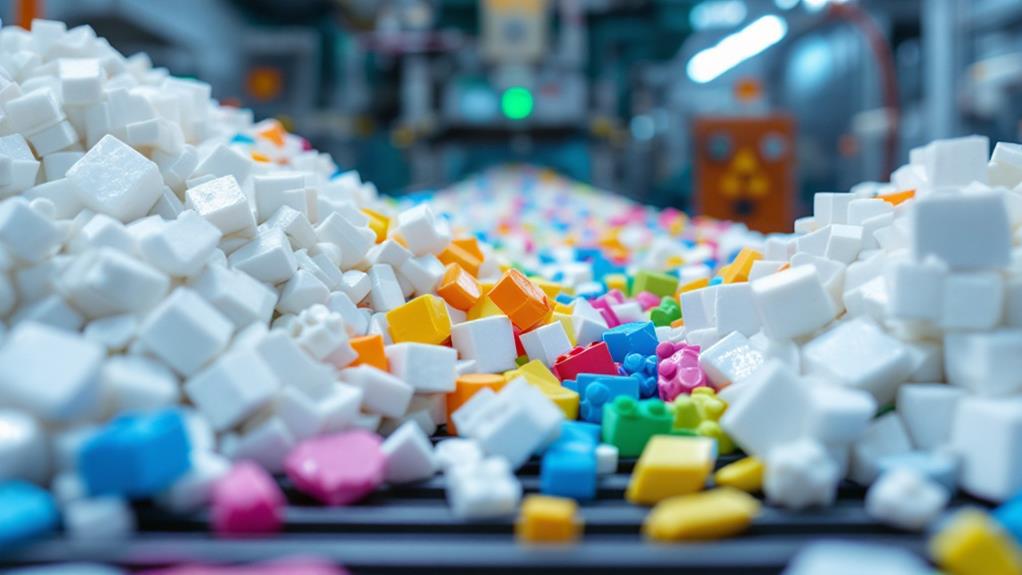
Once the polymerization process is complete, you'll move on to extrusion and molding to shape polystyrene into useful forms. Extrusion techniques involve melting the polystyrene pellets and pushing them through a die to create continuous shapes like sheets, rods, or tubes. You'll find that controlling the temperature and pressure during extrusion is essential to guarantee the material flows smoothly and retains its intended shape. The extruded polystyrene is then cooled and cut to the desired length, making it ready for numerous applications.
In addition to extrusion, you'll use molding methods to form polystyrene into specific objects. The most common molding techniques are injection molding and blow molding. In injection molding, you'll inject molten polystyrene into a mold cavity, where it cools and solidifies into the desired shape. This method is ideal for producing complex parts with high precision. Blow molding, on the other hand, is perfect for creating hollow objects like bottles. Here, you'll use air pressure to inflate softened polystyrene inside a mold until it forms the required shape. By mastering these extrusion techniques and molding methods, you can transform polystyrene into a wide range of practical products.
Types of Polystyrene
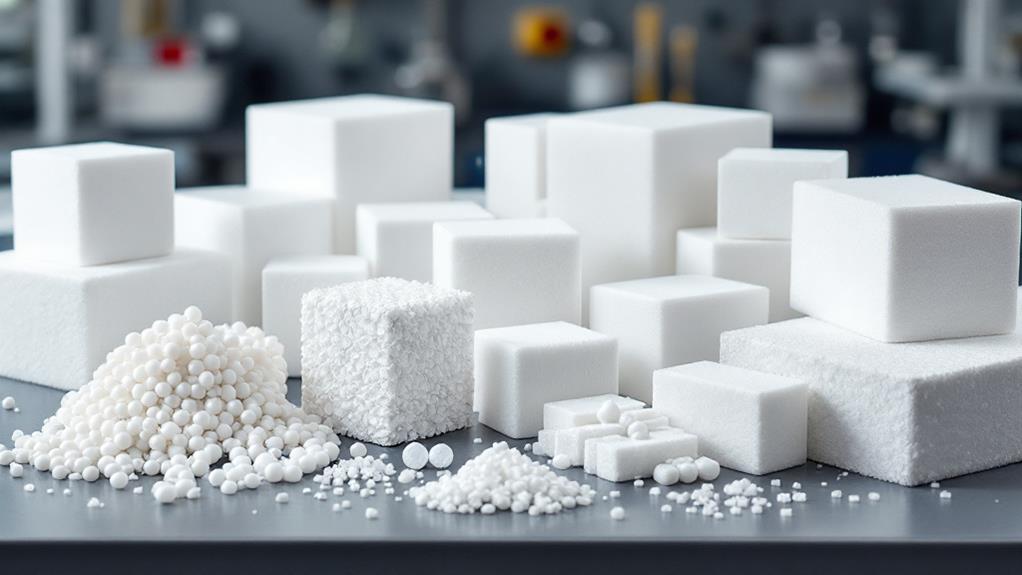
Having examined the processes of extrusion and molding, you'll find that not all polystyrene is the same. Different types serve diverse purposes based on their unique properties. Two prominent types are expanded polystyrene (EPS) and high impact polystyrene (HIPS).
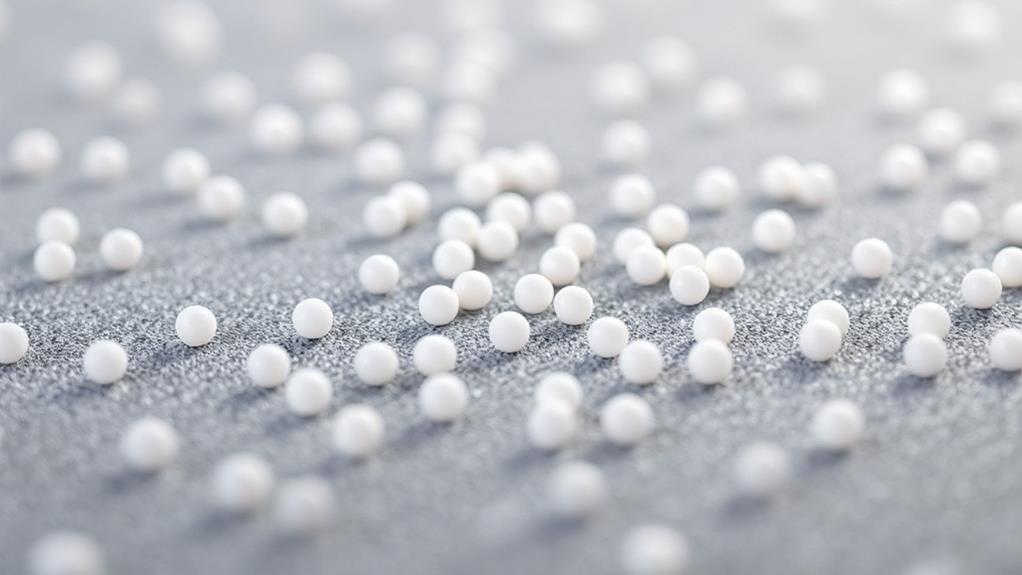
Expanded polystyrene is lightweight yet strong, often used for insulation and packaging. It consists of tiny beads that expand when exposed to steam, creating a foam-like structure. This type is ideal for protecting fragile items during shipping or keeping your home energy efficient due to its excellent thermal insulation properties.
On the other hand, high impact polystyrene is known for its toughness and durability. It's created by adding rubber or other materials to the polystyrene, enhancing its impact resistance. This makes it perfect for products that need to withstand rough handling, such as toys and electronics housings. HIPS is also easy to thermoform, allowing it to be molded into diverse shapes and sizes, which is why you see it used in a wide range of everyday items.
Applications in Industries
From packaging to construction, polystyrene finds its way into countless industries thanks to its versatility and cost-effectiveness. You'll notice it prominently in packaging solutions, where it's used to protect everything from electronics to delicate items during shipping. Its lightweight nature and shock-absorbing qualities make it an ideal choice for ensuring products reach their destination intact. In the food industry, polystyrene is often found in disposable containers, keeping your takeaway meals warm and fresh.
In construction, you might not immediately spot polystyrene, but it plays a significant role. As insulation materials, polystyrene boards are widely used to improve energy efficiency in buildings. They're excellent at trapping heat, helping to maintain indoor temperatures, which can reduce heating and cooling costs. You'll find it in walls, roofs, and even under floors, providing a barrier against the elements.
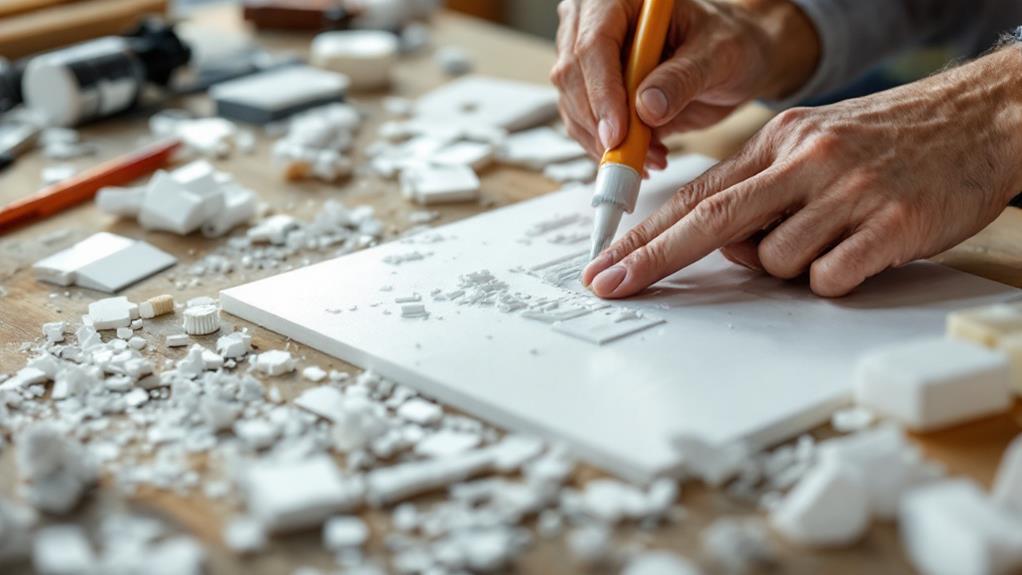
Even in the arts and crafts sector, polystyrene is a staple. It's easy to shape and mold, allowing for creative applications. Regardless of you're crafting models or designing intricate art pieces, polystyrene offers a flexible medium. Its presence across multiple industries highlights its adaptability and the value it brings to different fields.
Environmental Impact
While polystyrene's versatility is evident across multiple industries, it's essential to acknowledge its environmental impact. Polystyrene, commonly known as Styrofoam, poses significant recycling challenges. Its lightweight nature makes it difficult to collect and recycle efficiently, often leading to environmental pollution. You might notice it littered along streets or beaches because it's not biodegradable. It breaks into smaller pieces, harming wildlife that might mistake it for food.
When considering environmental alternatives, you should focus on sustainable materials. Here are three reasons why:
- Reduced Waste: Unlike polystyrene, alternatives such as biodegradable plastics decompose naturally, reducing landfill waste.
- Energy Efficiency: Producing eco-friendly packaging often requires less energy compared to traditional polystyrene manufacturing.
- Consumer Demand: There's a growing consumer preference for sustainable products. By choosing alternatives, you're aligning with this trend and supporting environmental responsibility.
Addressing polystyrene's environmental impact requires collective action and innovation. Advocating for more efficient recycling systems and investing in research for sustainable materials can make a difference. As an individual, opting for products with minimal polystyrene usage and urging companies to adopt greener practices can contribute to reducing its footprint. Let's work together to prioritize a healthier planet.