How Long Does It Take for Styrofoam to Decompose?
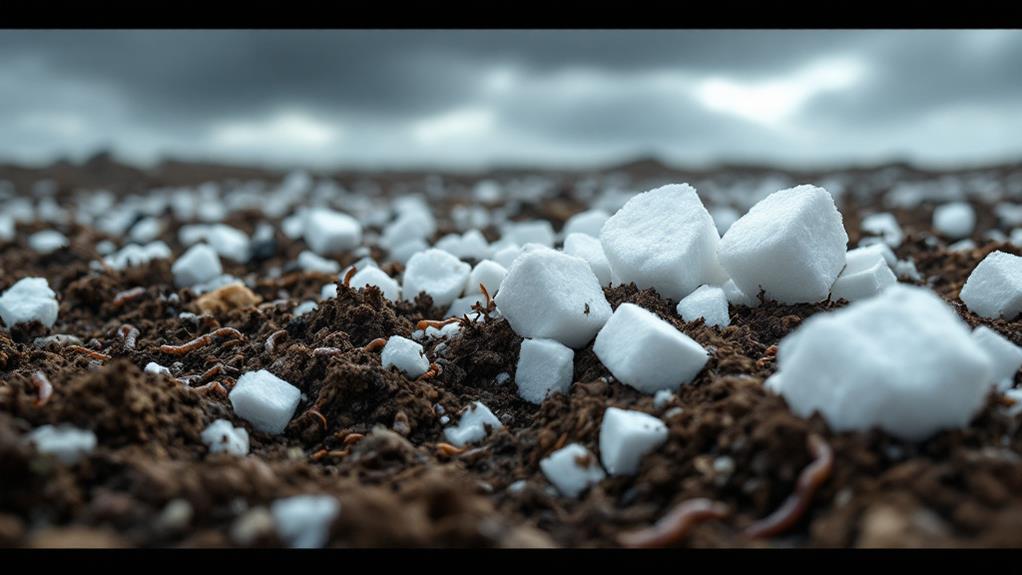
You might not realize that Styrofoam, widely used for packaging and insulation, takes about 500 years to decompose in landfills. Its durable composition, made from long chains of linked styrene units, resists breakdown by microorganisms. Even when exposed to sunlight and oxygen, it doesn't decompose quickly. Factors like insufficient microbial activity and varying temperatures further slow its decomposition. Styrofoam's persistence in the environment contributes notably to pollution and landfill volume. With its ability to break into microplastics, it poses threats to ecosystems. Uncover more about its environmental impact and viable alternatives to combat this enduring waste problem.
The Composition of Styrofoam
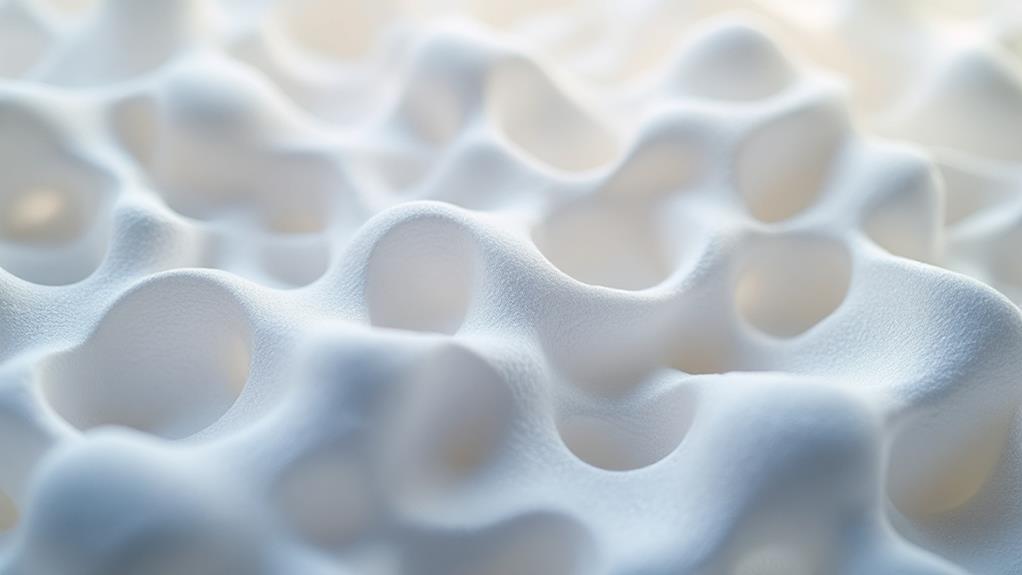
Styrofoam, a form of polystyrene, is made from a polymer called styrene. When you look at styrofoam, you might see just a lightweight, white material, but its chemical structure is what defines its unique properties. Each styrene unit links together in long chains to form polystyrene, which gives styrofoam its characteristic strength and insulative properties. This network of chains traps air, making it an excellent insulator and incredibly buoyant. Similar to how the composition of concrete relies on specific materials for its strength, styrofoam's structural integrity stems from its tightly packed chains.
You'll notice that styrofoam's properties make it ideal for a variety of uses, from coffee cups to packaging materials. It's these same properties, however, that make it resistant to breaking down. The tightly packed chains in its chemical structure provide durability, but they also mean that styrofoam doesn't easily decompose. This material is resistant to moisture and temperature changes, which further prevents it from degrading quickly.
Understanding the chemical structure of styrofoam helps you appreciate why it's so versatile yet problematic regarding waste management. Its properties, while beneficial for convenience and protection, pose a significant challenge concerning disposal. This intricate structure is both a marvel and a dilemma, highlighting the complexity of this ubiquitous material.
Factors Affecting Decomposition
When considering how long styrofoam takes to decompose, several factors greatly influence the process. Understanding these can provide insight on why styrofoam persists in the environment. Initially, microbial activity plays a vital role. Microorganisms break down organic materials, but they struggle with synthetic compounds like styrofoam. The lack of microbial activity means decomposition is exceedingly slow, similar to how oil and vinegar don't mix due to their differing molecular structures. Encouraging the growth of microbes capable of breaking down styrofoam could potentially speed up the process, but such organisms are rare and not well understood.
Secondly, temperature influence is significant. In warmer climates, chemical reactions occur faster, potentially aiding in breakdown. However, styrofoam's resilience makes it less responsive to temperature changes compared to other materials. In colder environments, decomposition is even slower, as low temperatures inhibit any ongoing chemical processes.
Here's a quick breakdown of these factors:
- Microbial Activity: Limited microorganisms capable of breaking down styrofoam.
- Temperature Influence: Warmer temperatures might help, but styrofoam's resistance is strong.
- Environmental Exposure: Sunlight and oxygen can slightly facilitate breakdown but are not highly effective.
When you consider these factors, the slow decomposition of styrofoam becomes clearer, emphasizing the challenges in managing styrofoam waste effectively.
Estimated Decomposition Time
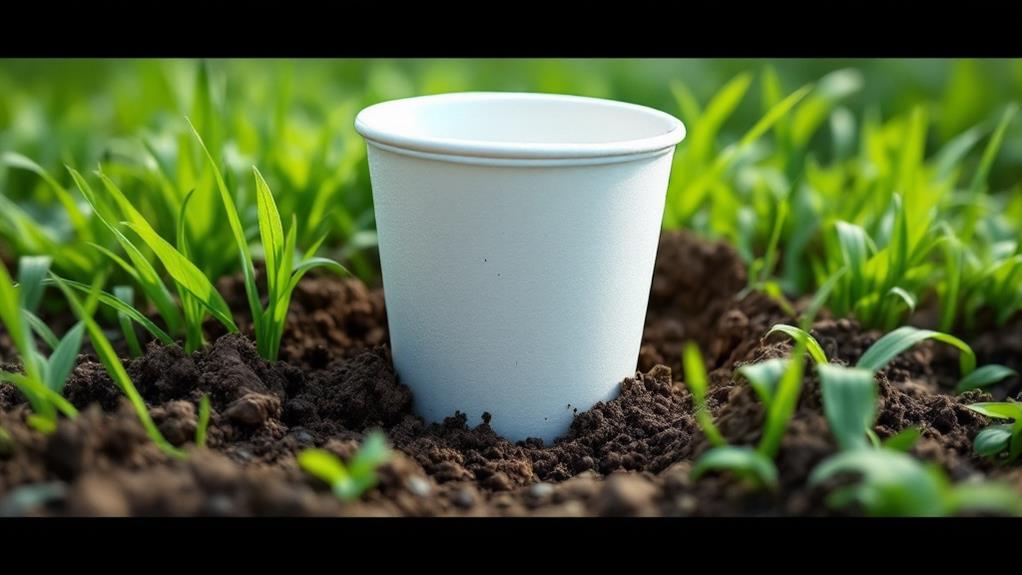
Understanding the estimated decomposition time of styrofoam highlights the environmental challenge it poses. Styrofoam, or expanded polystyrene, is notoriously resistant to natural breakdown. In fact, it can take hundreds of years for styrofoam to decompose in a landfill. The decomposition process is incredibly slow because microorganisms and environmental elements struggle to break down the synthetic polymers. This persistence in the environment makes styrofoam a considerable concern for waste management.
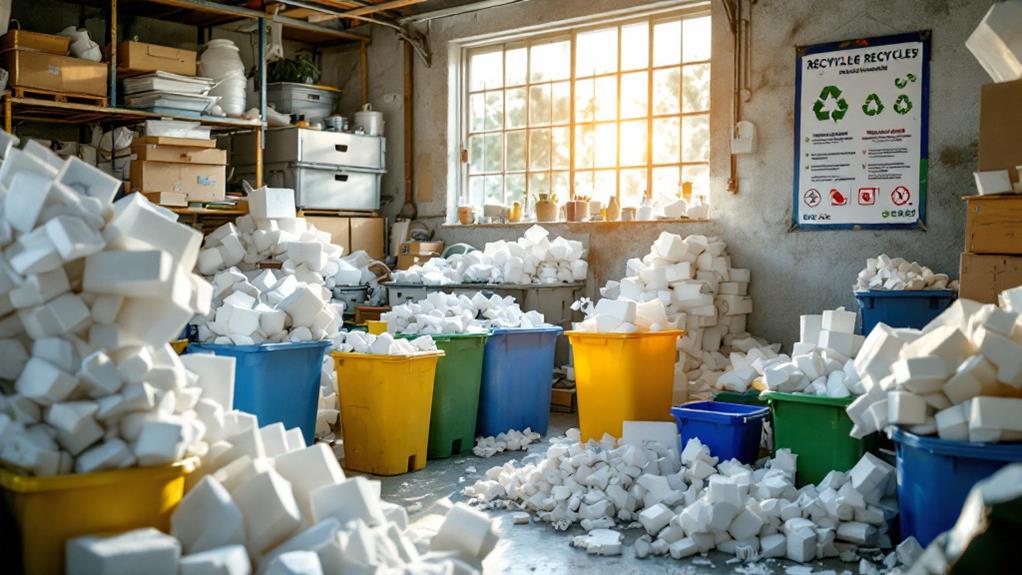
To mitigate this, you should consider recycling methods as a viable option to manage styrofoam waste. While traditional recycling for styrofoam isn't as widespread as for other materials, some specialized facilities have developed processes to recycle it into new products. These methods often involve compacting and reforming the material, which doesn't contribute to the decomposition but helps reduce the amount of styrofoam waste in landfills.
Faced with styrofoam's lengthy decomposition time, it's essential to investigate these recycling methods and consider alternatives whenever possible. By doing so, you can reduce the environmental burden caused by styrofoam, ensuring it doesn't spend centuries filling up landfills. Every little effort counts towards managing this persistent waste.
Environmental Impact
In relation to its environmental impact, expanded polystyrene poses significant challenges due to its durability and resistance to decomposition. These properties make Styrofoam a persistent pollutant in both land and marine environments. You might not realize it, but when Styrofoam breaks into smaller pieces, it becomes a major contributor to marine pollution. These tiny fragments are easily ingested by marine life, which can lead to serious health issues or even death for the animals.
Recycling challenges are another significant issue concerning Styrofoam. While technically recyclable, the process is inefficient and not cost-effective. Many recycling facilities won't accept Styrofoam because it's bulky and takes up a lot of space, yet it weighs very little. This makes transportation and processing economically unviable.
Here's what you need to keep in mind:
- Marine Pollution: Styrofoam ends up in oceans, threatening marine ecosystems.
- Recycling Challenges: Difficulties in recycling lead to most Styrofoam ending up in landfills.
- Long-lasting Waste: It takes centuries to decompose, meaning it occupies landfill space for generations.
Understanding these impacts can guide you in making more environmentally conscious decisions in your everyday life.
Alternatives to Styrofoam
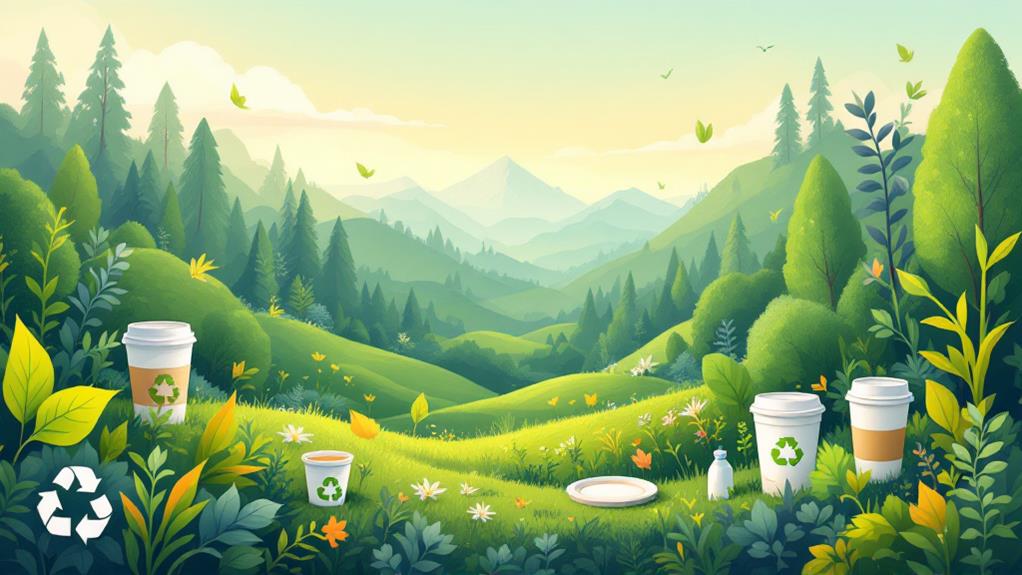
Many viable alternatives to Styrofoam exist that can greatly reduce environmental harm. You can look into using biodegradable materials, which break down naturally and don't persist in landfills for centuries. These materials are often made from renewable resources like cornstarch, sugarcane, or bamboo. They offer a sustainable option for packaging and food service items, providing the functionality you need without the environmental burden.
Compostable options are another great choice. Unlike traditional plastics, these products decompose in a composting environment, turning into nutrient-rich soil. You might find compostable plates, cups, and utensils made from plant-based fibers like bagasse, which comes from sugarcane waste. These items not only reduce waste but also close the loop by returning valuable nutrients back to the earth.
For a more groundbreaking approach, consider mushroom packaging. It's created by growing mycelium—the root structure of mushrooms—around agricultural byproducts. This material is entirely compostable and boasts a surprisingly strong and durable structure. By choosing alternatives like these, you're actively participating in reducing pollution and conserving resources, making a positive impact on the planet's health.
Strategies for Waste Reduction
From the kitchen to the office, practical waste reduction strategies can be implemented across diverse settings to minimize environmental impact. By focusing on small changes in daily habits, you can contribute to a healthier planet. Start by integrating recycling initiatives into your routine. This involves sorting waste into recyclable and non-recyclable categories and ensuring items like paper, plastics, and metals are properly recycled. By doing so, you'll reduce the amount of waste ending up in landfills.
Adopt sustainable practices, which are essential for effective waste reduction. Consider using reusable containers and bags rather than disposable ones. This simple change can greatly decrease the volume of single-use products you consume. Composting is another excellent sustainable practice that transforms organic waste into valuable nutrients for the soil.
Here's a quick list to guide you:
- Implement a recycling program: Organize your home or office space to accommodate clearly labeled recycling bins.
- Switch to reusable items: Invest in durable alternatives to disposable products, such as cloth napkins and stainless steel water bottles.
- Start composting: Use a compost bin to recycle food scraps and yard waste, reducing landfill contributions.