How Long Does Plastic Take to Decompose?
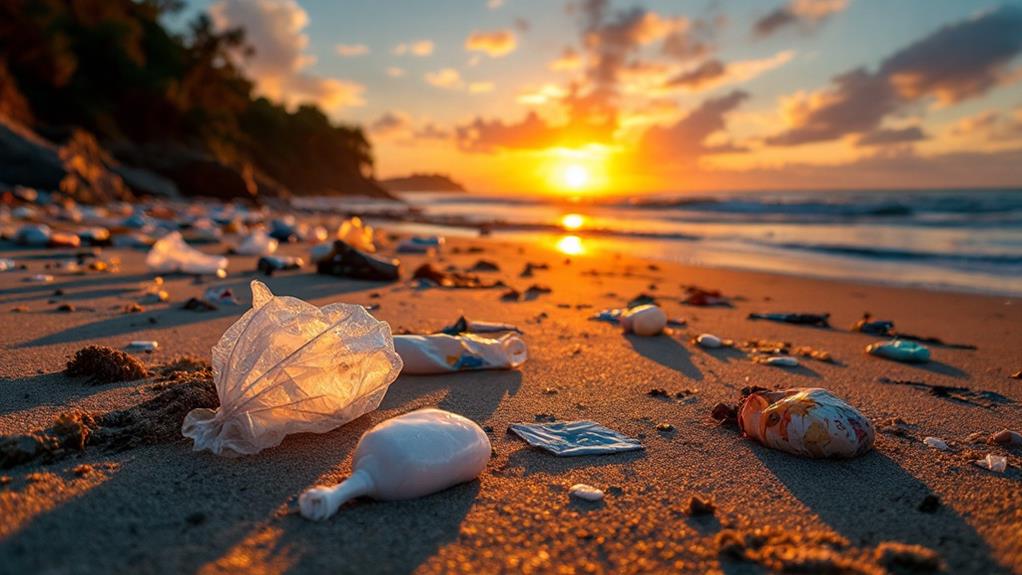
Plastic takes a surprisingly long time to decompose, often hundreds of years, especially for traditional materials like polyethylene. Sunlight and heat can weaken plastics through photodegradation, but it's a slow process. Microbial activity also plays a part, although it's affected by temperature, moisture, and the presence of oxygen. Biodegradable plastics offer a quicker alternative, breaking down in months to years, but they often need specific conditions to decay properly. Understanding these dynamics can help you make more sustainable choices and manage waste more effectively. Let's investigate more about plastics' environmental impact and creative solutions.
The Science Behind Plastic Decomposition
Plastic decomposition is a complex process that involves a series of chemical and physical changes. When you consider how plastic breaks down, it is important to understand that it doesn't happen overnight. The process begins with microbial degradation, a method where microorganisms like bacteria and fungi start to digest the plastic. These microorganisms produce enzymes that attack the polymer chains, slowly breaking them into smaller fragments. Similar to how yeast plays a significant role in fermentation, these microbes facilitate the breakdown of plastic, highlighting the significance of biological processes in decomposition.
As this microbial degradation takes place, a chemical breakdown also occurs. This is where external factors such as sunlight, heat, and oxygen come into play. Exposure to UV rays from the sun can cause photodegradation, which weakens the plastic's structure, making it more susceptible to breakdown. Heat can accelerate this process by increasing the rate of chemical reactions, while oxygen can further degrade plastic through oxidation reactions.
These processes might not be visible immediately, but they're important for the eventual decomposition of plastics. Over time, the combined effects of microbial degradation and chemical breakdown can transform plastic from a seemingly indestructible material into smaller particles, eventually leading to its complete decomposition, albeit over an extended period. Understanding these processes highlights the persistent nature of plastic waste in our environment.
Factors Influencing Decomposition Rates
While understanding the science behind plastic decomposition is vital, several factors greatly influence how quickly this process occurs. Microbial activity plays a key role. Microbes break down plastics, but their efficiency depends on conditions. You'll find that temperature variations can either accelerate or slow this activity. Warmer temperatures generally enhance microbial action, leading to quicker decomposition, whereas colder climates can stall the process. Moreover, the impact of climate change on microbial ecosystems can further complicate these dynamics, as rising sea levels threaten coastal habitats that may harbor unique microbial life.
UV exposure also greatly affects decomposition rates. Sunlight can break down plastic's chemical bonds, making it more accessible for microbes. As a result, plastics left in direct sunlight tend to decompose faster than those kept in the shade.
Soil composition is another vital element. Plastics buried in nutrient-rich soil with high microbial content will decompose more rapidly compared to those in barren soils. Moisture levels play a part too. Adequate moisture facilitates microbial growth and activity, speeding up decomposition, while dry conditions hinder it.
Oxygen availability can't be overlooked. Aerobic environments, where oxygen is plentiful, support faster decomposition through aerobic microbes. In contrast, anaerobic conditions, lacking oxygen, slow down the process greatly. By understanding these factors, you can better grasp the complex dynamics influencing plastic decomposition rates.
Types of Plastics and Their Lifespan
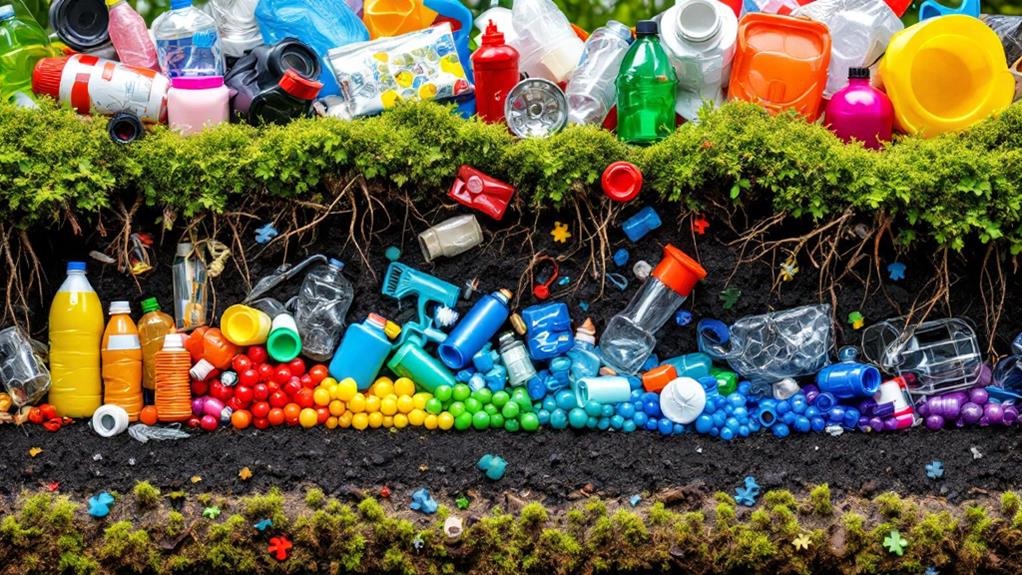
Diverse types of plastics have different lifespans, and understanding these can help in addressing environmental impact. When you look at the vast range of plastics, you'll notice that not all of them are created equal. For instance, traditional plastics like polyethylene and polypropylene, commonly found in shopping bags and food packaging, can take hundreds of years to decompose. This long lifespan contributes greatly to plastic pollution as these materials persist in the environment.
On the other hand, biodegradable plastics offer a more eco-friendly alternative. These are designed to break down more quickly under specific conditions, often within a few months to a few years. However, it's essential to know that not all biodegradable plastics will decompose effectively in natural environments; many require industrial composting facilities to break down completely.
Understanding the differences in decomposition rates among different plastics can guide you in making more sustainable choices. By opting for biodegradable plastics when possible and being mindful of recycling and disposal practices, you can play a part in reducing plastic pollution. Remember, every choice you make contributes to the bigger picture of managing plastic waste and protecting our planet.
Environmental Impact of Persistent Plastics
Contributing considerably to environmental degradation, persistent plastics pose a serious threat to ecosystems worldwide. You might not realize it, but these plastics can take hundreds of years to break down, during which they continuously wreak havoc on nature. When they're not managed properly, they break into smaller pieces known as microplastics. Microplastic pollution is particularly insidious because it's nearly impossible to clean up once it infiltrates the environment. These tiny plastics are consumed by wildlife, leading to dire consequences up the food chain, including humans.
You should be aware that ecosystem disruption caused by persistent plastics isn't just a distant problem. It affects water quality, soil health, and biodiversity right in your backyard. Aquatic life suffers immensely; fish, turtles, and birds often mistake plastic for food, which can lead to starvation or injury. On land, plastics can prevent plants from receiving adequate sunlight and nutrients, hindering growth and reducing habitat quality for numerous species.
Innovations in Plastic Degradation
Emerging technologies and methods are transforming how we tackle the plastic waste crisis. You might be surprised to learn about the rapid advancements in plastic degradation. Among the most promising are biodegradable alternatives, which are designed to break down more efficiently than traditional plastics. These alternatives often use plant-based materials, making them more eco-friendly and reducing their environmental impact.
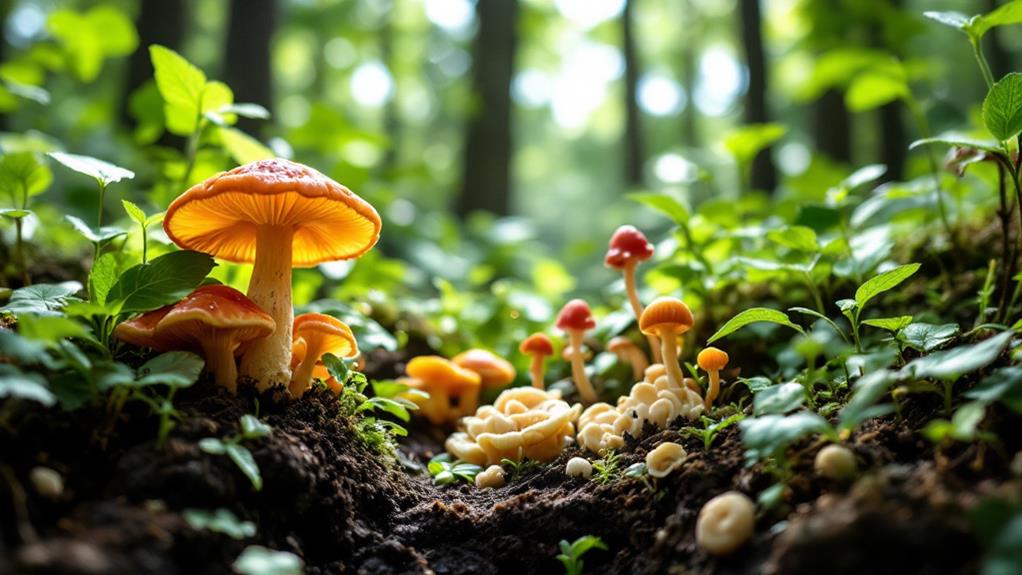
In addition to biodegradable options, microbial solutions are also making waves. Scientists are harnessing the power of microorganisms, like bacteria and fungi, to speed up the decomposition process. These little helpers can break down complex plastic molecules into simpler substances, which can then be absorbed back into the environment without causing harm. By utilizing these microbial solutions, we can greatly reduce the lifespan of plastic waste.
Here's a quick look at some exciting innovations:
- Biodegradable plastics: Made from renewable resources, these are designed to decompose faster.
- Microbial enzymes: Used to break down plastics at a molecular level.
- Chemical recycling: Converts plastic waste into valuable raw materials.
With these groundbreaking strategies, you're witnessing a marked shift in how we manage and mitigate plastic waste, paving the way for a cleaner future.
Steps Towards Reducing Plastic Waste
In addressing the plastic waste problem, everyone can play a part in making a difference. Start by adopting effective recycling practices. Make certain you separate recyclables from trash and clean them before placing them in the recycling bin. Always check local guidelines, as they can vary. By doing this, you guarantee that more plastic gets repurposed instead of ending up in landfills.
Switching to biodegradable alternatives is another significant step. Look for items made from materials like bioplastic, which decomposes faster than traditional plastic. These alternatives help reduce the impact on our environment. You can find biodegradable versions of everyday items like utensils, bags, and even some packaging.
Additionally, reducing your plastic consumption is essential. Carry reusable bags, bottles, and containers to minimize single-use plastic usage. Supporting brands that prioritize sustainable packaging can also drive change. When you demand eco-friendly products, companies are more likely to respond by offering better choices.