Pros and Cons of Plastic Packaging

Plastic packaging offers versatile and customizable solutions, making it perfect for diverse industries. It's lightweight, cutting transportation costs and reducing environmental impact due to lower fuel consumption. Plus, it's cost-effective and extends food shelf life by protecting against moisture and contaminants. However, plastic poses significant environmental challenges. It's non-biodegradable, leading to landfill overflow and ocean pollution, threatening marine life. Recycling efforts are lacking, with only a small percentage of plastic actually being recycled. There's a growing demand for eco-friendly and sustainable alternatives. Understanding these aspects helps you weigh the benefits against the environmental impact and sustainability concerns further.
Versatility of Plastic Packaging
How does plastic packaging manage to fit so many needs? When you consider its versatility, it's clear why it's so widely used. Plastic packaging offers recyclability options, allowing you to minimize environmental impact while maintaining functionality. With customization potential, you can tailor packaging to meet specific requirements, making it perfect for diverse industries.
The durability factors of plastic mean that your products remain protected during transit and storage. This strength is complemented by excellent barrier properties that keep contents safe from contaminants, moisture, and air, ensuring freshness and longevity. Design flexibility allows you to create unique shapes and sizes, optimizing storage efficiency and shelf space.
Moreover, plastic packaging improves branding opportunities. It enables you to incorporate logos, colors, and designs that make your product stand out, enhancing product visibility on crowded shelves. This visibility is essential for attracting customers and building brand recognition. Regardless of your intent to protect, preserve, or promote your products, plastic packaging offers a thorough solution. Its adaptability to different needs and environments makes it an invaluable choice in the packaging industry, meeting the demands of both producers and consumers alike.
Lightweight Benefits
Plastic packaging's adaptability is not just about versatility; its lightweight nature also offers significant advantages. You've probably noticed how easy it is to handle products wrapped in plastic. This isn't just a convenience; it's a game-changer for transport efficiency. Lighter packages mean you can fit more products into each shipment, reducing the number of trips needed and cutting down on fuel consumption. This not only saves money but also lessens the environmental impact. Furthermore, the properties of materials like oil and water demonstrate how different substances interact, highlighting the significance of using suitable packaging materials for efficiency in shipping and storage, particularly with the behavior of oil and water.
When you consider recyclability options, lightweight plastic packaging stands out. Many plastics are designed to be recycled, and their lightweight properties make them easier to process and transport to recycling facilities. This means you can contribute to a circular economy, where materials are reused instead of ending up in landfills. By choosing products with recyclable plastic packaging, you're making a conscious decision to support sustainability.
Moreover, lightweight plastic packaging plays a vital role in protecting goods during transit. Its durability guarantees that items arrive at their destination intact, minimizing waste due to damaged goods. So, next time you choose a product, think about how its lightweight plastic packaging contributes to efficiency and sustainability.
Cost-Effectiveness
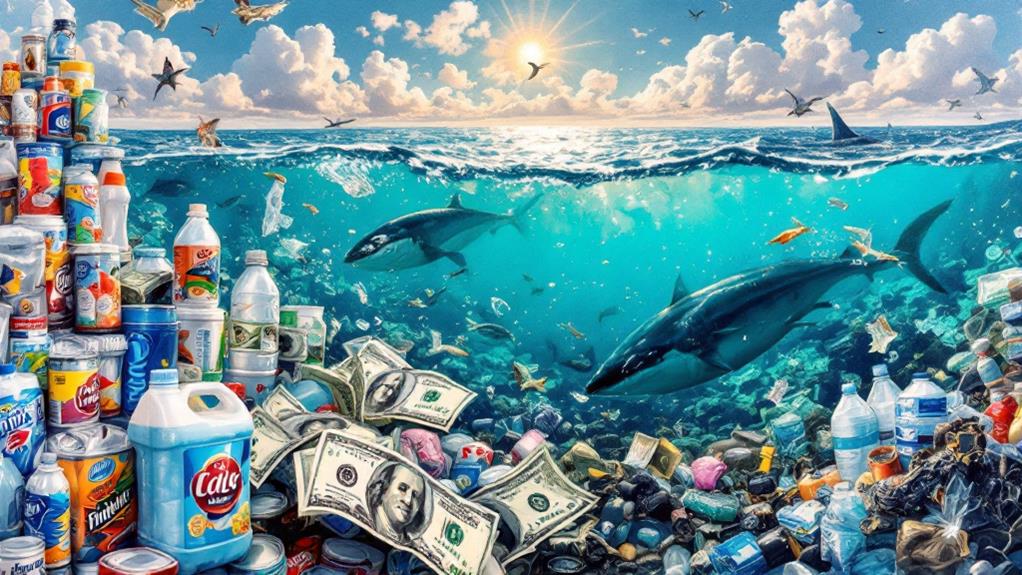
Cost-effectiveness is a significant advantage of plastic packaging that benefits both manufacturers and consumers. You'll find that plastic is often cheaper to produce than alternative materials like glass or metal, making it an attractive choice for businesses looking to cut costs. This affordability doesn't just stop at production; it extends to transportation too. Due to its lightweight nature, plastic packaging reduces shipping costs, which manufacturers can pass on to you as savings. Moreover, using cost-effective materials can help companies invest in better hygiene practices, like regularly changing sheets for ideal hygiene. Here's why plastic packaging is cost-effective:
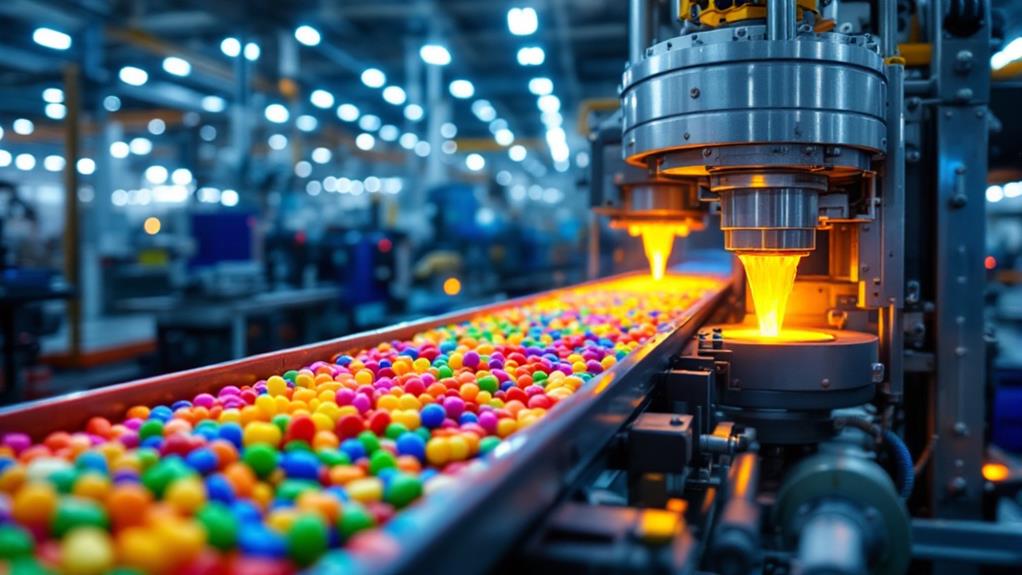
- Efficient Manufacturing Processes: The energy-efficient processes used in plastic production lower expenses, allowing businesses to maintain competitive pricing.
- Recyclability Options: Many plastics can be recycled, offering companies a way to reduce waste disposal costs and potentially generate income from recycled materials.
- Reduced Transportation Costs: Lighter than other materials, plastic lowers transportation expenses, which directly benefits your wallet.
When you choose products with plastic packaging, you're often paying less without sacrificing quality. While some may argue about environmental concerns, the recyclability options available today mean you can still make responsible choices. The economic benefits of plastic packaging are hard to ignore, and they play a vital role in keeping prices affordable for you.
Food Preservation Advantages
Among plastic packaging's many benefits, its role in food preservation stands out as a key advantage. You can appreciate how it extends the shelf life of your favorite foods. Thanks to its excellent barrier properties, plastic packaging effectively keeps out air and moisture, which are major culprits in food spoilage. By maintaining moisture control, it guarantees that your food stays fresh for longer periods.
Plastic packaging also plays an essential role in contamination prevention, keeping your food safe from harmful bacteria and other contaminants. This is critical for food safety and guarantees your meals remain healthy and nutritious. Its freshness retention capabilities are unmatched, preserving the taste and quality of your food as if it were just made.
Moreover, plastic packaging helps in spoilage reduction by providing excellent temperature stability. It can adapt to different storage conditions, regardless of whether you're refrigerating or freezing your food, guaranteeing that temperature fluctuations don't compromise the quality of your items. With these advantages, plastic packaging offers a dependable solution for preserving food's integrity, making it an indispensable tool in your kitchen for maintaining the freshness and safety of your meals.
Convenience for Consumers
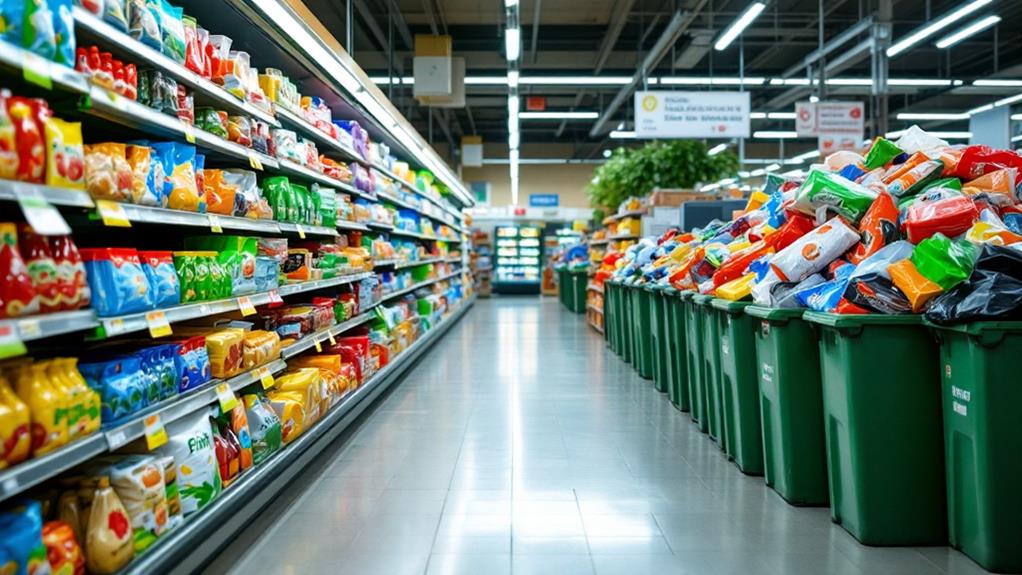
While plastic packaging excels at preserving food, it also greatly increases consumer convenience. As you navigate through your daily routine, you'll notice how these packaging innovations improve your user experience in several ways. Here are three convenience factors that stand out:
- Portion Control: Plastic packaging often comes in single-serving sizes, aligning with consumer preferences for controlling portions easily. This makes it simple to grab a quick snack without overindulging.
- Travel Convenience: Lightweight and durable, plastic packaging offers travel convenience regardless of you're commuting to work or going on a vacation. You can toss it in your bag without worrying about leaks or spills, thanks to its robust product protection.
- Usability Features: Resealable bags and easy-to-open lids are just a few usability features that improve your experience. These thoughtful designs contribute to a positive brand perception by showing that companies care about your ease of use.
Beyond practicality, the aesthetic appeal of plastic packaging can't be overlooked. Attractive designs and clear packaging allow you to see the product inside, which can influence your purchasing decisions. In general, plastic packaging's contribution to convenience in your life is undeniable, balancing functionality with an eye-catching appearance.
Environmental Impact Concerns
Plastic packaging undeniably contributes to environmental challenges that can't be ignored. You might wonder how your choices impact the world. While recycling initiatives aim to reduce waste, they're often not enough to counteract the growing plastic problem. It's essential to evaluate biodegradable alternatives, which can lessen the long-term environmental footprint. By opting for such options, you play a role in fostering a more sustainable future.
Boosting consumer awareness is fundamental in tackling these concerns. When you understand the implications of plastic usage, you're more likely to make informed decisions that align with environmental sustainability. Regulatory measures also play a significant role, as governments can enforce standards to minimize plastic waste and encourage eco-friendly practices.
Industry innovations are paving the way for more sustainable packaging solutions. Companies are increasingly investing in research to create materials that are both functional and environmentally friendly. As these innovations emerge, your choices become even more impactful.
Environmental education is key to driving change. By staying informed and advocating for better practices, you contribute to a collective effort to address these pressing challenges. Together, you can make a substantial impact on reducing plastic's environmental footprint.
Pollution Issues
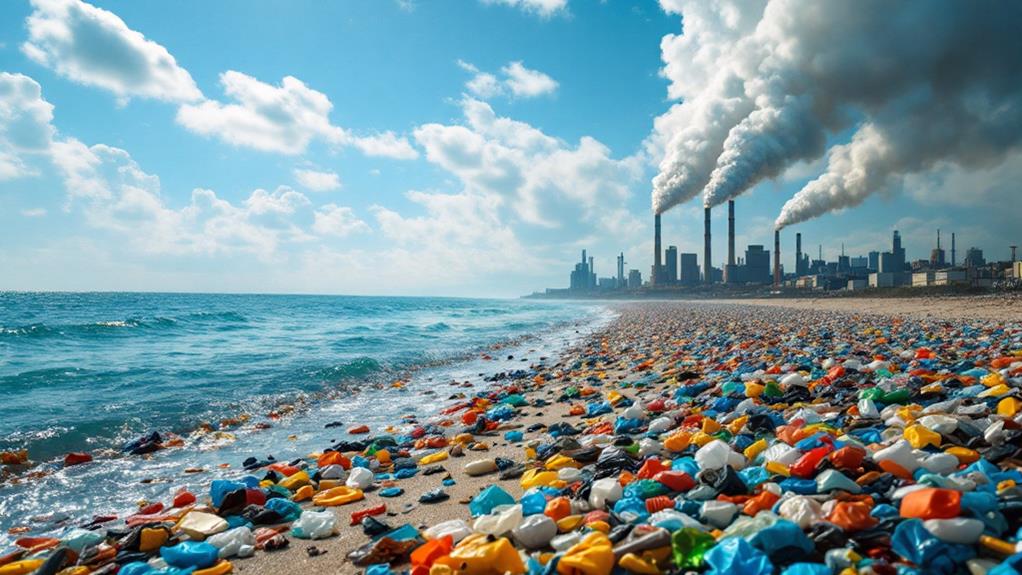
Despite its convenience, plastic packaging poses significant pollution issues that affect ecosystems worldwide. You might not notice it in your daily routine, but plastic waste accumulates at an alarming rate, harming wildlife and habitats. Here's how it impacts us:
- Ocean Pollution: Millions of tons of plastic enter oceans each year, threatening marine life. Animals ingest plastic, mistaking it for food, leading to injury or death.
- Landfill Overflow: Plastic's non-biodegradable nature causes landfills to overflow, taking hundreds of years to decompose and leaching harmful chemicals into the soil and groundwater.
- Air Quality: Incinerating plastic releases toxic fumes, contributing to air pollution and affecting human health.
To combat these issues, recycling initiatives have been implemented, yet they're not enough as only a small percentage of plastic gets recycled. You can help by supporting biodegradable alternatives that break down naturally and reduce environmental harm. These alternatives, like plant-based plastics, offer a promising solution to the pollution problem. By making conscious choices, you contribute to a healthier planet. Remember, every small effort counts in reducing the pollution caused by plastic packaging. Let's take steps toward a cleaner, more sustainable future.
Sustainability Challenges
Sustainability challenges in plastic packaging are a pressing concern as the demand for eco-friendly solutions grows. You're probably aware that recycling innovation is essential to tackling these challenges. By adopting sustainable practices, companies can contribute to a circular economy, ensuring materials get reused rather than discarded. As a consumer, your awareness and choices can drive this change, encouraging businesses to use eco-friendly materials and packaging designs that prioritize waste reduction.
Biodegradable alternatives present a promising solution, but they're not without hurdles. Many of these materials still require specific conditions to break down efficiently. Regulatory measures play a significant role in guiding the shift toward more sustainable packaging by setting standards and incentivizing improvements. You can support these efforts by choosing products with certifications that reflect adherence to these standards.
Reusable solutions are another avenue to investigate. By opting for items with reusable packaging, you contribute to waste reduction. Companies are increasingly incorporating these designs, recognizing the dual benefits of sustainability and consumer appeal. Ultimately, overcoming sustainability challenges in plastic packaging requires a collective effort, where informed choices and conscientious practices pave the way for a more sustainable future.
Landfill Overflow Problems
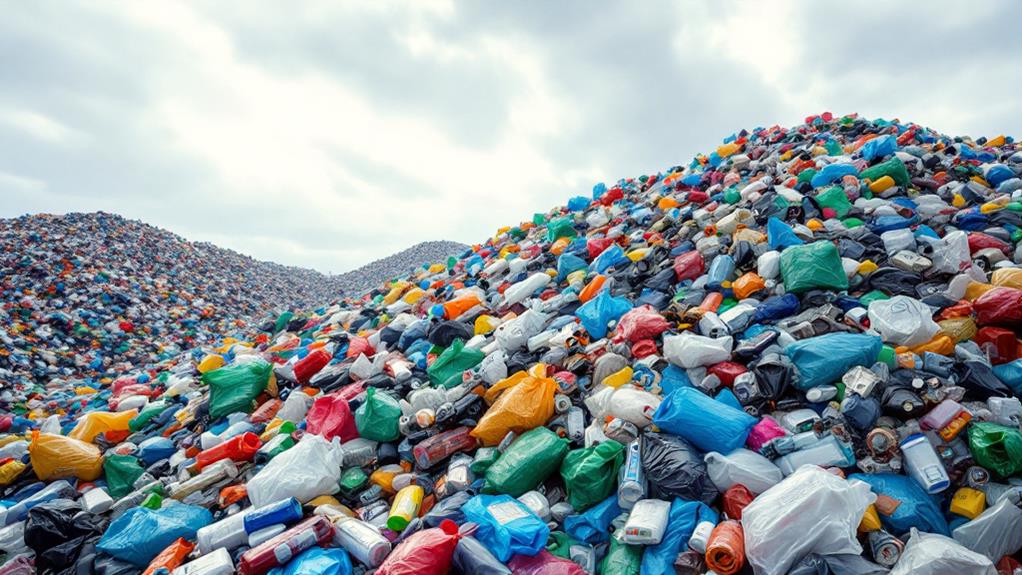
How often do you consider where your trash ends up once it leaves your home? It's easy to toss items into the bin and forget about them, but the reality is that plastic waste contributes considerably to landfill overflow. Here's why you should be concerned:
- Slow Landfill Decomposition: Unlike organic materials, plastic takes hundreds of years to decompose. As it sits in landfills, it occupies space indefinitely, leading to overflowing sites.
- Recycling Challenges: Not all plastics are recyclable, and even those that are face challenges. Contamination and inadequate sorting mean much of the plastic intended for recycling ends up in landfills instead.
- Limited Landfill Space: As urban areas grow, available land for new landfill sites shrinks, leading to increased pressure on existing sites. Overflowing landfills can cause environmental hazards and health issues for nearby communities.
Ocean Pollution Effects
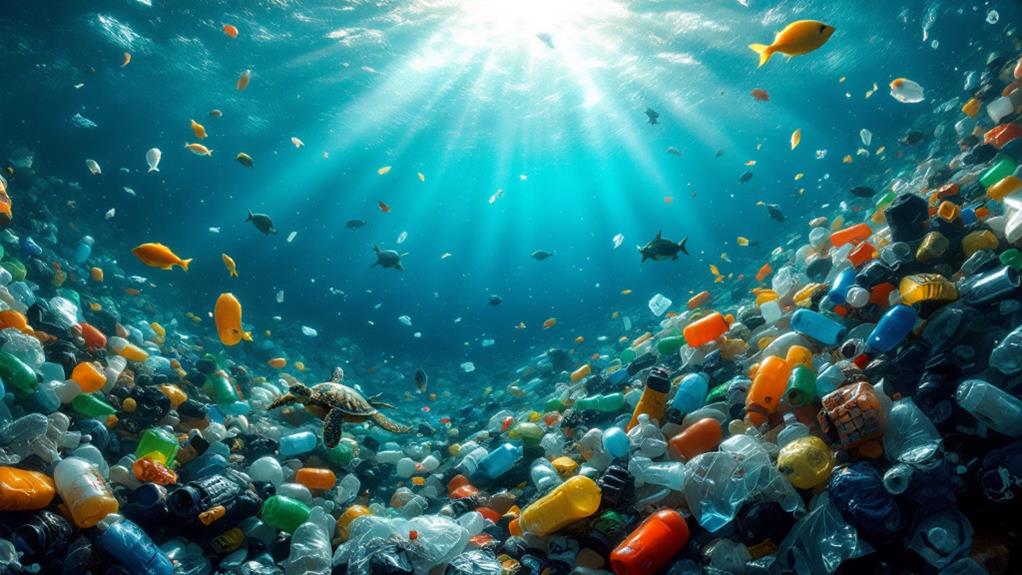
Plastic packaging has become one of the leading contributors to ocean pollution, affecting countless marine ecosystems. You might not realize it, but every piece of plastic waste you see can end up in the ocean. Once there, it poses serious threats to marine life, often leading to habitat destruction. Tiny fragments, known as microplastics, accumulate in the water and can be ingested by marine animals, causing harm and disrupting the food chain. Furthermore, these plastics can leach harmful chemicals, further exacerbating the problem.
Recycling challenges play a significant role in this issue. Many plastics aren't recycled properly, ending up in landfills or oceans instead. Effective waste management and public awareness are vital for addressing these problems. Conservation efforts are fundamental, but they require support from both individuals and policymakers to succeed. You can participate by advocating for stricter policy implications that focus on reducing plastic use and improving waste management systems.
Ultimately, the imbalance in ecosystems caused by plastic pollution can lead to long-term consequences. By raising public awareness and participating in conservation efforts, you contribute to creating a healthier environment for our oceans and the creatures that call them home.