Why Is Styrofoam a Good Insulator?

You'll find Styrofoam is a great insulator because of its clever design and properties. It's made from polystyrene with tiny, closed air pockets that trap air, which is a poor conductor of heat. This structure minimizes heat transfer, giving Styrofoam low thermal conductivity and high thermal resistance. Its lightweight nature and diverse densities improve these insulating qualities further. Plus, it resists moisture, maintaining its performance even in humid conditions. While it's effective, environmental issues pose a challenge, so consider how its benefits stack up against ecological impacts for a fuller picture. Curious about its many applications and drawbacks?
Structure of Styrofoam
Styrofoam's structure is essential to its insulating properties. You might wonder how this lightweight material successfully keeps your coffee hot or your home warm. It all starts with its unique chemical composition. Styrofoam is made from polystyrene, a polymer that's transformed into a foam through a specific manufacturing process. During this process, tiny beads of polystyrene are expanded using steam and then fused together. The result is a material filled with numerous closed air pockets, similar to how fermentation creates bubbles in dough, which is vital for effective insulation.
These closed cells are vital because they trap air, which is a poor conductor of heat. By preventing heat transfer, the structure of Styrofoam acts as an effective barrier to heat loss or gain. This is why it's often used in building insulation and as packaging material.
In addition to its chemical composition, the manufacturing process allows for the production of Styrofoam in diverse densities, further enhancing its insulating capabilities. The versatility of Styrofoam means you can find it in everything from disposable coffee cups to the walls of buildings. Understanding how its structure works gives you insight into why Styrofoam remains a popular choice for insulation needs.
Thermal Conductivity Explained
Regarding understanding why certain materials insulate better than others, you need to grasp the concept of thermal conductivity. Thermal conductivity measures how easily heat passes through a material. Materials with low thermal conductivity, like Styrofoam, slow down heat transfer, making them excellent insulators. This principle is similar to how lithium-ion batteries lose effectiveness due to heat exposure during charge cycles, which can accelerate degradation as seen in battery degradation mechanisms. When you choose materials for insulation applications, low thermal conductivity is an essential factor. It's what keeps your coffee hot in a Styrofoam cup and your home warm when insulation is properly installed.
Thermal resistance is another important term you should know. It's the ability of a material to resist heat flow and is the inverse of thermal conductivity. High thermal resistance means better insulation. Styrofoam's structure, which we'll investigate further, plays a significant role in its thermal resistance. This makes Styrofoam an ideal choice for multiple insulation applications, from construction to packaging.
Understanding these concepts helps you compare different materials for insulation needs. When you evaluate options, consider both thermal resistance and conductivity to determine efficiency. By doing so, you guarantee that the material will provide the desired insulation effect, regardless of whether you're insulating a building or keeping food fresh.
Role of Air Pockets
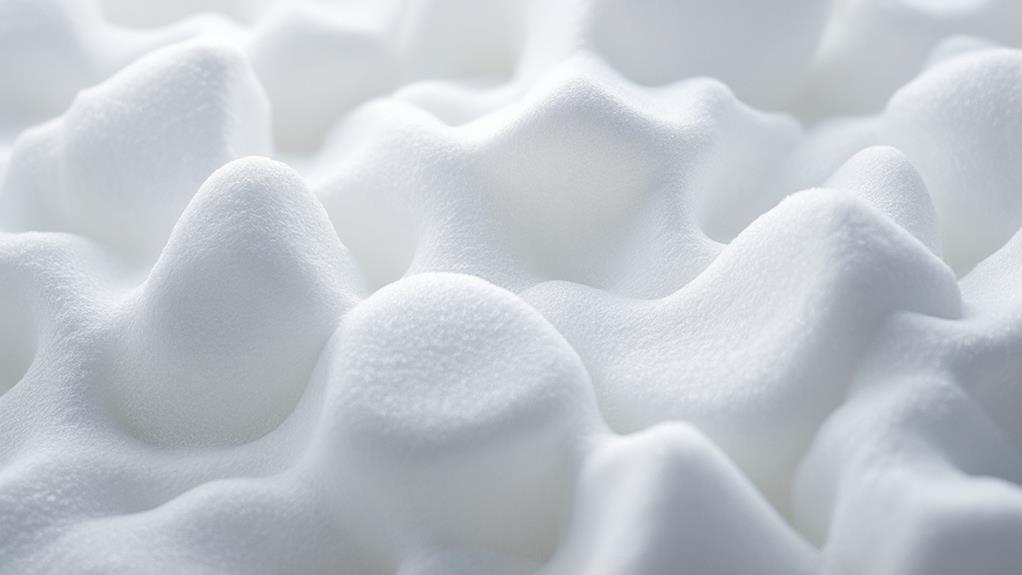
One of the key factors that make Styrofoam such an effective insulator is its structure filled with countless tiny air pockets. These air pockets are critical in enhancing insulation efficiency. When you think about insulation, you want a material that can prevent heat transfer. The air pockets in Styrofoam do just that by trapping air, which is a poor conductor of heat.
By holding air within these pockets, Styrofoam creates a barrier against the flow of heat. This means that when you use Styrofoam as an insulator, you're fundamentally creating a shield that reduces heat loss or gain. The more air pockets present, the better the insulation efficiency because each pocket acts as an individual barrier against heat transfer.
Moreover, these air pockets distribute heat evenly throughout the material, preventing hot or cold spots from forming. This guarantees that whatever you're insulating—whether it's a hot beverage or your home—remains at a stable temperature. So next time you use Styrofoam, remember it's not just the material itself but the ingenious use of air pockets that provides its outstanding insulation properties, keeping things just the way you want them.
Material Density Impact
When considering Styrofoam's insulating properties, material density plays a significant role. You might wonder how density affects insulation effectiveness. Basically, the density of Styrofoam influences how well it traps air within its structure. With lower density, there's more space for air pockets, which are vital for preventing heat transfer. This means less heat escapes, making Styrofoam an excellent insulator.
In different styrofoam applications, such as in construction or packaging, the material's density determines its effectiveness. For instance, in building insulation, Styrofoam with the right density can efficiently keep interiors warm in winter and cool in summer. You'll find that it's also lightweight, which makes it easy to handle and install without compromising its insulating capabilities.
Choosing the appropriate density is fundamental for maximizing insulation effectiveness. If Styrofoam is too dense, it might not be as efficient because there's less room for those important air pockets. Conversely, if it's too light, it might lack the structural integrity needed for certain applications. By understanding the balance of density, you can select the right Styrofoam product for your specific needs, ensuring ideal thermal performance and energy efficiency.
Moisture Resistance Benefits
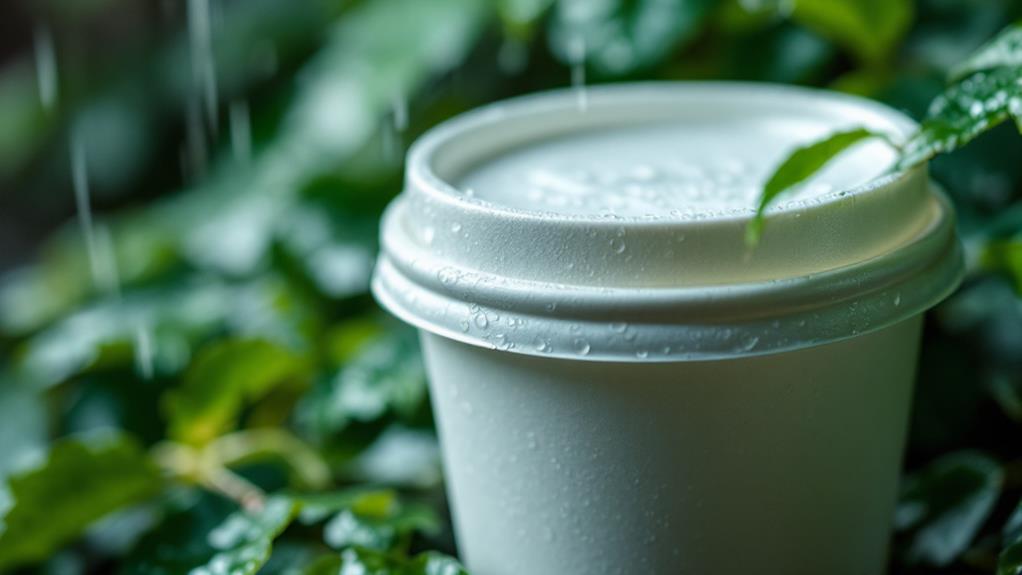
Styrofoam's moisture resistance provides several advantages, making it a popular choice in diverse applications. When you're working with insulation materials, the ability to resist moisture is vital. Styrofoam acts as an effective moisture barrier, preventing water from penetrating and compromising the insulation's integrity. This feature guarantees that the insulation performance remains consistent over time, which is particularly significant in environments where humidity and moisture are prevalent.
When moisture seeps into other insulation materials, it can lead to a significant drop in their effectiveness. However, Styrofoam's structure repels water, maintaining its insulating properties even in damp conditions. You won't have to worry about water damage or the growth of mold and mildew, which can occur when moisture infiltrates insulation. This makes Styrofoam an excellent choice for areas like basements, attics, and even exterior walls, where moisture can be an issue.
Moreover, Styrofoam's moisture resistance extends its lifespan, saving you the hassle and expense of frequent replacements. In construction or packaging, using a material that offers both a moisture barrier and reliable insulation performance can be a game-changer. You can rely on Styrofoam to protect against the elements while maintaining energy efficiency.
Lightweight and Durable
You'll appreciate Styrofoam's lightweight nature, which makes it incredibly easy to handle and install. Regardless of if you're using it for home insulation or packaging, you'll notice how effortless it is to work with. Its feather-like weight contributes greatly to its cost effectiveness. You won't need heavy machinery or extra manpower to move and position it, saving both time and money. Furthermore, its lightweight characteristic doesn't compromise its durability. Styrofoam maintains its structural integrity over time, making it a reliable choice for numerous applications.
Styrofoam's application versatility is another reason it's favored across different industries. Here's why you might consider it:
- Ease of Transport: You can transport large quantities without worrying about weight restrictions, reducing shipping costs.
- Simple Installation: You can cut and shape it to fit any space, ensuring a perfect fit for any project.
- Durability: It resists compression and maintains shape, offering long-term performance.
- Cost Effectiveness: You'll save on both upfront costs and long-term maintenance, maximizing your investment.
Incorporating Styrofoam into your projects can improve efficiency and performance, thanks to its lightweight and durable nature. You'll find it a practical choice for a multitude of uses.
Environmental Considerations

Considering the environmental impact of Styrofoam, it's essential to weigh both the benefits and drawbacks. On one hand, Styrofoam is an excellent insulator, keeping your drinks hot or cold and protecting fragile items during shipping. However, its environmental footprint poses significant concerns. One major issue is the material's recycling challenges. Styrofoam is notoriously difficult to recycle due to its lightweight and bulky nature, which makes it economically unviable for many recycling facilities.
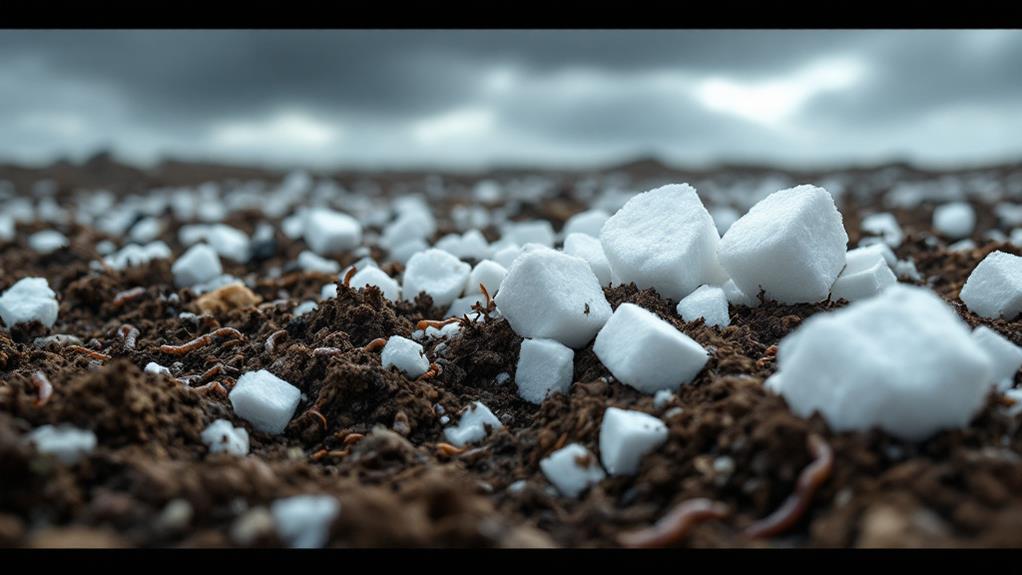
You might think tossing a Styrofoam cup in a recycling bin helps the planet, but it often ends up in landfills instead. There, it can take hundreds of years to decompose, contributing to long-term environmental impact. Moreover, Styrofoam can break into smaller pieces, polluting land and waterways, and posing a threat to wildlife that may ingest it.
As a consumer, you're faced with choices. While Styrofoam offers undeniable convenience and insulation properties, its environmental drawbacks are hard to ignore. Consider alternatives like paper or biodegradable materials that are easier to recycle and less harmful to the planet. Being mindful of these factors can help you make environmentally responsible decisions without sacrificing the benefits of good insulation.