
Wildlife Commonly Found Across Texas Ecosystems
You’ll encounter hundreds of vertebrate species across Texas’s diverse ecological regions, which include deserts, plains, forests, wetlands, and coastal environments. White-tailed deer remain the most widespread large mammal, with populations estimated in the millions, while mountain lions roam remote areas of West and South Texas. The skies host dozens of raptor species, and neighborhoods are home to a wide range of songbirds. Reptiles, amphibians, and freshwater and coastal fish further reflect the state’s remarkable biodiversity. Below, you’ll find a closer look at some of the most commonly observed wildlife across Texas.
White-Tailed Deer, Elk, and Texas Wild Hogs
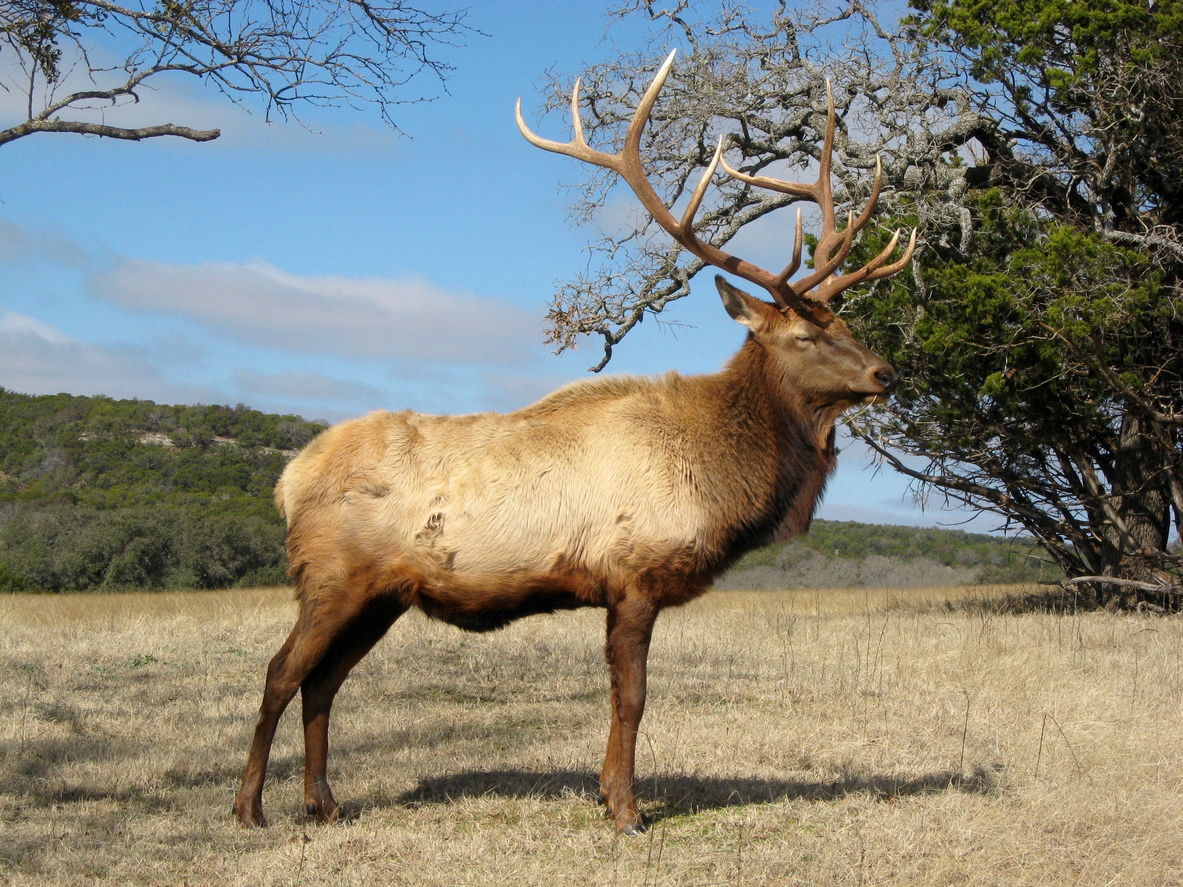
White-tailed deer dominate Texas wildlife, with populations estimated at over 5 million statewide, particularly concentrated in the Edwards Plateau and South Texas Brush Country. These adaptable animals thrive in areas with mixed brush and open land, and their numbers have steadily increased over the past several decades due to habitat management and regulated hunting. Feral hogs are another highly visible species across Texas. With an estimated population exceeding 2.5 million, they are found in nearly every region and are considered an invasive species due to their impact on agriculture and native habitats. Elk, while not widespread, are found in limited numbers in far West Texas, particularly in the Trans-Pecos region. These populations are often managed on private lands and are far less common than deer or hogs.
Mountain Lions, Bobcats, and Texas Predators
View this post on Instagram
Mountain lions, also known as cougars, primarily inhabit the Trans-Pecos region of West Texas, with smaller populations in South Texas. They require large territories and tend to avoid human activity, making sightings rare. Unlike some states, Texas does not have an official population estimate due to limited monitoring. Bobcats are far more common and can be found across the entire state, including suburban areas. These adaptable predators hunt small mammals, birds, and reptiles, often remaining unseen despite their widespread presence. Other notable predators include coyotes, which are highly adaptable and commonly spotted even in urban environments, and gray foxes, which prefer wooded areas.
Hawks, Herons, and Birds of Prey in Texas
View this post on Instagram
Texas is home to more than 30 species of raptors, including red-tailed hawks, Cooper’s hawks, and Harris’s hawks. Red-tailed hawks are among the most commonly seen, often perched along highways or soaring overhead. Harris’s hawks are especially notable for their cooperative hunting behavior, a rare trait among birds of prey. They are most commonly found in South Texas. Great blue herons are frequently seen near lakes, rivers, and wetlands, where they hunt fish and amphibians. Seasonal visitors such as the northern harrier appear in winter months, especially in open grasslands.
Texas Songbirds Every Resident Should Know
Texas supports one of the most diverse songbird populations in the United States, with dozens of species commonly found in residential areas. Northern cardinals, mockingbirds (the state bird), and Carolina chickadees are among the most recognizable. Feeders can attract a variety of species depending on food type. Sunflower seeds, suet, and nectar feeders bring in birds such as painted buntings, titmice, and hummingbirds. Native landscaping and water sources further encourage bird activity. Mockingbirds are especially notable for their ability to mimic other bird calls, while wrens and finches add constant activity to backyards across the state.
Snakes, Lizards, and Texas Reptiles to Identify
View this post on Instagram
Texas is home to over 100 species of reptiles and amphibians, reflecting its varied climates. Common lizards include the Texas spiny lizard and green anole, often seen in urban and suburban areas. Non-venomous snakes such as the Texas rat snake and garter snake are frequently encountered, while venomous species include the western diamondback rattlesnake, copperhead, and cottonmouth. These species generally avoid human interaction but should be approached with caution. The Texas horned lizard, the official state reptile, has declined in many areas due to habitat loss and pesticide use but is still found in parts of Central and West Texas. For a closer look at reptiles and bird species similar to those found across Texas ecosystems, the Dallas Zoo offers educational exhibits where visitors can observe snakes, lizards, and birds of prey in carefully managed habitats.
Bass, Catfish, and Game Fish in Texas Waters
View this post on Instagram
Texas offers extensive freshwater and coastal fishing opportunities. Largemouth bass is the most popular freshwater game fish, found in lakes and reservoirs statewide, including well-known fisheries like Lake Fork. Catfish species—channel, blue, and flathead—are abundant and accessible, making them a favorite for both beginner and experienced anglers. In coastal waters, species such as red drum (redfish), speckled trout, and flounder are more commonly targeted than red snapper, which is typically found farther offshore in the Gulf of Mexico.
Best Places to See Wildlife in Texas
Texas offers numerous parks and protected areas where you can observe wildlife in natural habitats. Big Bend National Park in West Texas is one of the best places to spot javelinas, roadrunners, golden eagles, and occasionally mountain lions. Its remote desert landscape supports a wide range of species adapted to extreme conditions. Brazos Bend State Park, near Houston, is known for its large alligator population, along with turtles, wading birds, and deer. Boardwalk trails make wildlife viewing accessible and safe. The Aransas National Wildlife Refuge along the Gulf Coast is famous for wintering whooping cranes, one of North America’s most endangered bird species. In North Texas, the Fort Worth Nature Center & Refuge provides opportunities to see bison, deer, and native prairie wildlife, while the Heard Natural Science Museum & Wildlife Sanctuary in McKinney offers forest trails and birdwatching.
Conclusion
Texas ecosystems support an impressive range of wildlife, from large mammals and birds of prey to reptiles and fish species adapted to every corner of the state. Whether you’re exploring forests, deserts, rivers, or coastal areas, you’ll encounter species that reflect the region’s environmental diversity. Taking time to observe and understand these animals offers a deeper appreciation for the natural landscapes that define Texas.