At What Temperature Does Styrofoam Melt?
Styrofoam starts to soften when it hits around 212°F (100°C) and fully melts at about 464°F (240°C). Avoid placing Styrofoam near direct heat sources or flames, as it can melt quickly. Even prolonged sun exposure can warp it, though it won't usually cause melting. If you're using Styrofoam for insulation or packing, be mindful of its heat limits to maintain its effectiveness. Keep it away from high temperatures to prevent releasing harmful chemicals. Curious about how other factors impact Styrofoam's performance under heat? There's more to uncover about its behavior and safe usage.
Understanding Styrofoam Composition
Styrofoam, also known as expanded polystyrene (EPS), is a lightweight and adaptable material that's widely used for insulation and packaging. You might wonder what makes this material so effective. The styrofoam structure is composed of 95% air, making it incredibly light and buoyant. Its distinct appearance comes from tiny, closed cells that trap air, providing excellent cushioning and impact resistance. This unique structure is why styrofoam is favored in numerous applications, from protecting fragile items during shipping to insulating buildings. The properties of materials, like styrofoam, can be influenced by their composition and structure, similar to how yeast activity affects bread texture.
Understanding the chemical composition of styrofoam helps you see why it behaves the way it does. It's primarily made from polystyrene, a polymer derived from the monomer styrene, which is a liquid hydrocarbon commercially manufactured from petroleum. During the manufacturing process, styrene is polymerized to create polystyrene, which is then expanded using a blowing agent, typically pentane or carbon dioxide. This expansion process forms the closed-cell structure that's characteristic of styrofoam. The chemical bonds in polystyrene give it rigidity, while the trapped air provides flexibility and insulation. By understanding these components, you gain insight into how styrofoam combines lightness with durability, making it a staple in daily use.
Thermal Properties of Styrofoam
When considering the thermal properties of styrofoam, there's a lot to appreciate about its insulating capabilities. Styrofoam is renowned for its remarkable ability to maintain temperatures, making it a popular choice for both commercial and residential insulation. Its low thermal conductivity is a key factor in its effectiveness, allowing it to resist heat flow and maintain desired thermal conditions. This makes styrofoam an excellent material for minimizing energy consumption and enhancing comfort. Curiously, the principles of energy transfer and efficiency in materials can be compared to understanding caloric content in food, as both involve managing energy flow and retention caloric content measurement.
You might be wondering how these properties translate into everyday benefits. Here's a quick rundown:
- Energy Efficiency: Styrofoam's low thermal conductivity helps reduce heating and cooling costs, keeping your home or office energy-efficient.
- Temperature Regulation: Its insulation properties guarantee consistent indoor temperatures, reducing the strain on HVAC systems.
- Moisture Resistance: Styrofoam's structure prevents moisture absorption, which helps maintain its insulating performance over time.
- Lightweight Nature: Despite its effectiveness, styrofoam remains lightweight, making it easy to handle and install in diverse applications.
Melting Point of Styrofoam
Imagine a hot summer day where you leave a styrofoam cup out in the sun. You might wonder if it'll melt. Styrofoam, a type of polystyrene foam, doesn't melt easily under ordinary conditions. Its melting point is markedly higher than temperatures you'd typically encounter outside. In fact, styrofoam starts to soften at about 212°F (100°C) and doesn't completely melt until reaching 464°F (240°C). So, while the sun's heat can cause it to warp or deform, melting isn't likely without extreme temperatures.
Understanding the melting point is vital, especially when considering styrofoam recycling and insulation. When recycling, styrofoam must be processed at high temperatures to break it down effectively. This guarantees it's reusable, minimizing environmental impact. For insulation, knowing that it can withstand a wide range of temperatures without melting is fundamental for maintaining energy efficiency in buildings.
When dealing with styrofoam insulation, it's reassuring to know that it maintains its structure well below its melting point. This property makes it a popular choice for keeping heat out or in, depending on the season. So, while a hot day might challenge its shape, it won't cause this versatile material to melt away.
Factors Affecting Melting Temperature
While understanding styrofoam's melting point provides a baseline, different factors can influence this temperature. It's not always just about reaching a specific degree. Instead, you must consider multiple melting conditions and heat sources that can alter how easily styrofoam begins to break down. Here are some key factors that affect its melting temperature:
- Type of Heat Source: The kind of heat source, regardless of whether it's direct flame, hot air, or radiant heat, affects how quickly styrofoam melts. Direct flames might cause it to melt faster than indirect heat.
- Duration of Exposure: The longer styrofoam is exposed to a heat source, the more likely it is to melt, even if the temperature isn't initially high enough to cause immediate melting.
- Styrofoam Density: Denser styrofoam tends to resist melting a bit longer than its lighter counterparts. This is due to the compact structure that doesn't allow heat to penetrate easily.
- Environmental Conditions: Humidity and air pressure can also play a role. High humidity might increase the likelihood of melting, as moisture can weaken the material's structure.
Understanding these factors helps you predict melting conditions more accurately, ensuring you're better prepared in situations involving styrofoam and heat.
Safe Usage Guidelines
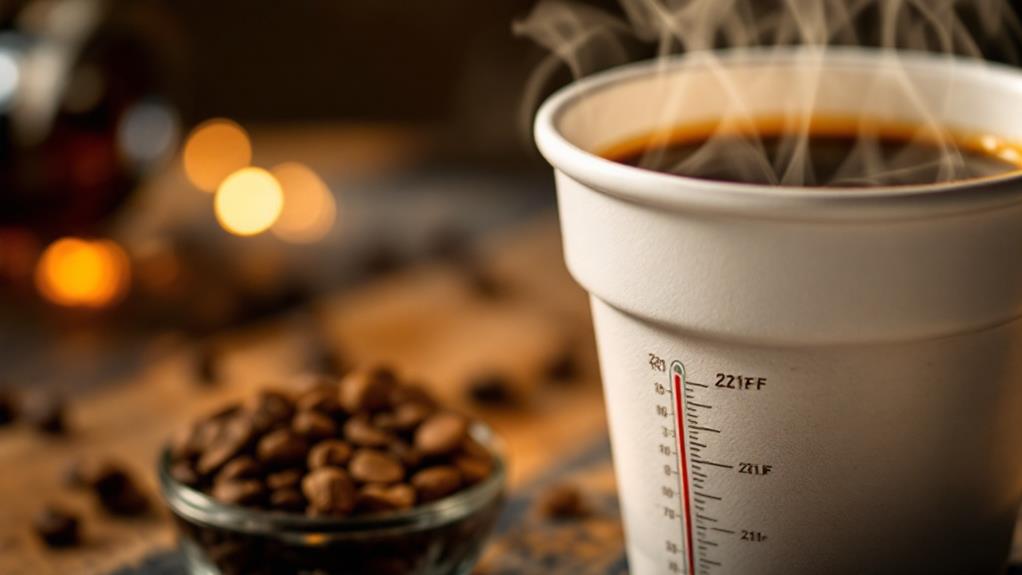
To guarantee you're using styrofoam safely, prioritize keeping it away from direct heat sources such as flames or high-temperature appliances. Styrofoam can start to soften at around 212°F (100°C) and melt at higher temperatures. So, avoid placing it near ovens, stovetops, or any other devices that generate significant heat. This includes keeping it out of direct sunlight for extended periods, as prolonged exposure can raise its temperature and weaken its structure.
When storing styrofoam, make certain it's in a cool, dry area. Safe storage helps maintain its integrity and reduces the risk of accidental exposure to heat sources. Be certain you don't store styrofoam in attics or garages where temperatures can rise dramatically, especially in summer. Instead, consider a basement or climate-controlled space.
While using styrofoam for food storage, keep in mind that it's not suitable for reheating purposes. Never place styrofoam containers in a microwave or conventional oven. If you need to heat food, transfer it to a microwave-safe dish first. By following these guidelines, you'll guarantee safe usage and extend the lifespan of your styrofoam products, while preventing any potential hazards.
Environmental Impact of Melting
Melting styrofoam poses several environmental challenges. When you expose styrofoam to high temperatures, it breaks down, releasing harmful chemicals into the air. These chemicals contribute considerably to environmental pollution, affecting air quality and posing health risks to living organisms. Furthermore, styrofoam is notoriously difficult to recycle, and when it melts, it becomes even less manageable, exacerbating recycling challenges.
Consider these four impacts of melting styrofoam:
- Air Pollution: The process releases toxic substances like styrene and benzene, which are harmful to both humans and wildlife.
- Soil Contamination: If melted styrofoam seeps into the ground, it can contaminate soil, affecting plant growth and soil health.
- Water Pollution: Styrofoam debris can end up in waterways, impacting aquatic life and ecosystems as it doesn't easily break down.
- Increased Waste: Melting makes recycling nearly impossible, leading to more waste in landfills, where it can persist for centuries.
These challenges highlight the need for careful handling and disposal of styrofoam to minimize its environmental impact. By being mindful of how styrofoam is used and disposed of, you can help reduce its negative effects on the planet.
Alternatives to Styrofoam

Numerous sustainable alternatives to styrofoam are available that can greatly reduce environmental harm. When you're looking for eco friendly packaging, consider choosing biodegradable materials like cornstarch-based products. These materials break down naturally, reducing waste and minimizing their impact on the planet. Cornstarch packaging is adaptable and can be molded into different shapes, making it a great choice for protecting products during shipping.
Another option you might investigate is mushroom-based packaging. It's created by growing mycelium, the root structure of mushrooms, which acts as a natural binding agent. This creative material is not only biodegradable but also compostable, providing a nutrient-rich supplement to your garden once it has served its purpose. It's a fantastic way to confirm your packaging choices contribute positively to the environment.
You could also consider using recycled paper products. They're an excellent replacement for styrofoam, offering cushioning and support without the environmental drawbacks. These products can be easily recycled, guaranteeing a closed-loop system that reduces pollution and conserves resources.