How to Properly Dispose of Thermocol: Tips for Recycling
To properly dispose of thermocol, initially identify its type and check local recycling guidelines, as not all centers accept it. Clean and dry the thermocol, removing any tape or labels, then break it into smaller pieces for efficient recycling. Use online directories or municipal websites to find local recycling facilities that handle thermocol. Consider creative reuse, like crafting or insulation projects, to keep it out of landfills. Alternatively, opt for sustainable packaging, like biodegradable materials, that have less environmental impact. Further exploration can reveal more eco-friendly practices that benefit the planet.
Understanding Thermocol Material
Understanding Thermocol Material
Thermocol, also known as expanded polystyrene (EPS), is a lightweight, plastic material commonly used for packaging and insulation. When you think about thermocol properties, its lightweight nature, high insulation capability, and excellent shock-absorbing qualities stand out. These characteristics make it a popular choice in numerous industries. For example, the food and beverage sector uses thermocol to create sturdy, insulated containers that keep temperatures consistent. Electronics manufacturers rely on it to cushion delicate items during shipping, ensuring they arrive intact. Moreover, thermocol is part of a broader category of plastics, which are composed of elements like carbon and hydrogen and can have significant environmental impacts due to their prevalence in waste streams the impact of plastics.
Understanding thermocol applications is vital when considering how to handle it. In construction, you might find thermocol panels used to insulate buildings, improving energy efficiency by reducing heat transfer. It's also used in creating props and backdrops for theater and film due to its ease of shaping and carving. If you're involved in arts and crafts, thermocol can be a versatile material for DIY projects, offering endless creative possibilities.
Knowing these applications and properties helps you recognize thermocol's value and versatility. However, it also emphasizes the importance of proper disposal methods to manage waste effectively and sustain its benefits without contributing to environmental issues.
Environmental Impact of Thermocol
Many don't realize the considerable environmental impact of thermocol. When you toss it without a second thought, it contributes to thermocol pollution. This material is non-biodegradable, meaning it can linger in the environment for hundreds of years. As it breaks down, it doesn't just vanish; it fragments into smaller particles known as microplastics, which can infiltrate soil and waterways. These microplastics pose a severe threat to marine life when animals mistake them for food, leading to health issues or death. Furthermore, the decline of natural habitats, similar to the challenges faced by bee populations, highlights the interconnectedness of all environmental issues, including pollution from materials like thermocol. Bees serve as indicators of environmental health, reflecting the general state of ecosystems that are also affected by waste like thermocol.
Thermocol also releases harmful chemicals when exposed to sunlight or heat. These chemicals can leach into the ground or air, impacting not just wildlife but human health too. One way to counteract this is by exploring thermocol alternatives. By opting for materials like biodegradable packing peanuts or recycled paper products, you greatly reduce your environmental footprint.
Switching to thermocol alternatives isn't just about reducing pollution; it's about creating a sustainable future. Every time you choose an eco-friendly option, you're helping to minimize the adverse effects of thermocol. So, next time, think twice about how your choices can impact the planet.
Sorting Thermocol for Recycling
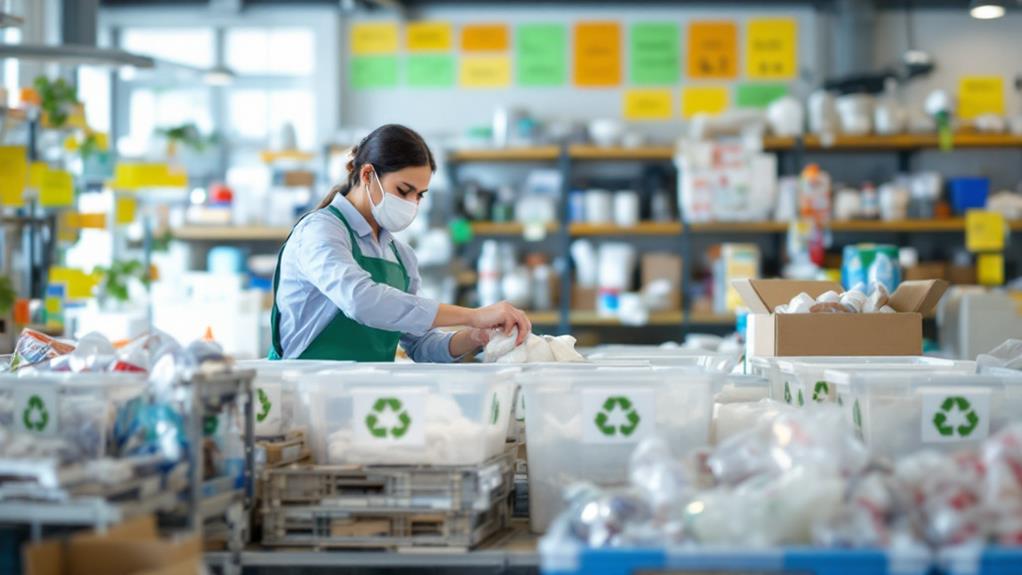
Before you can recycle thermocol, understanding how to sort it properly is essential. Start by identifying types of thermocol you have. Typically, it's used in packaging, like electronics or appliances, and as insulation material. Check for recycling symbols or codes on the thermocol, as they'll guide you on its recyclability. Not all thermocol is the same; some might be more challenging to recycle due to additives or coatings.
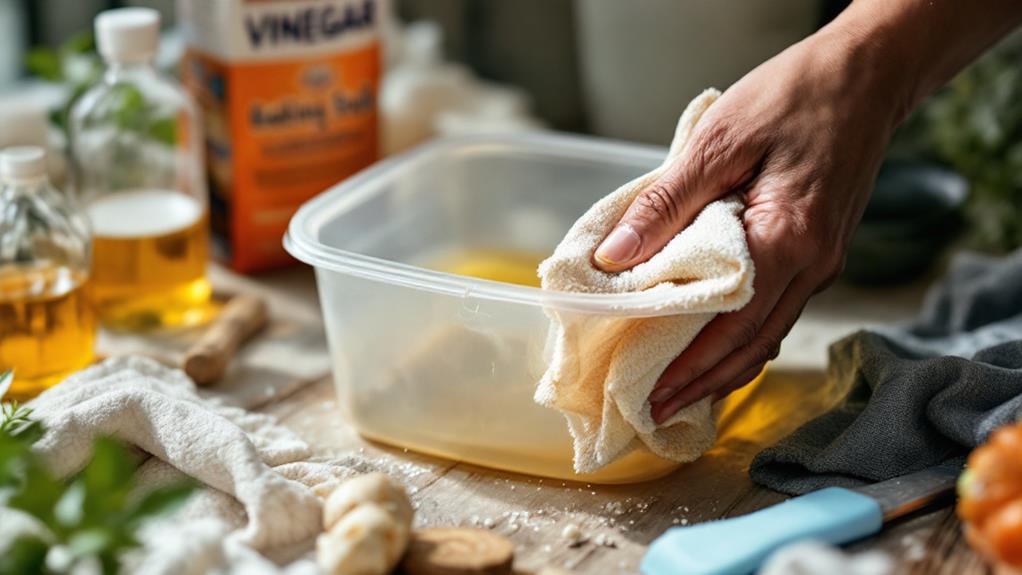
Once you've identified the type, move on to cleaning methods. Make sure the thermocol is free from contaminants. Remove any tape, stickers, or labels. If it's dirty or has food residue, gently wipe it with a damp cloth. Avoid using harsh cleaning agents, as they might damage the material or complicate the recycling process.
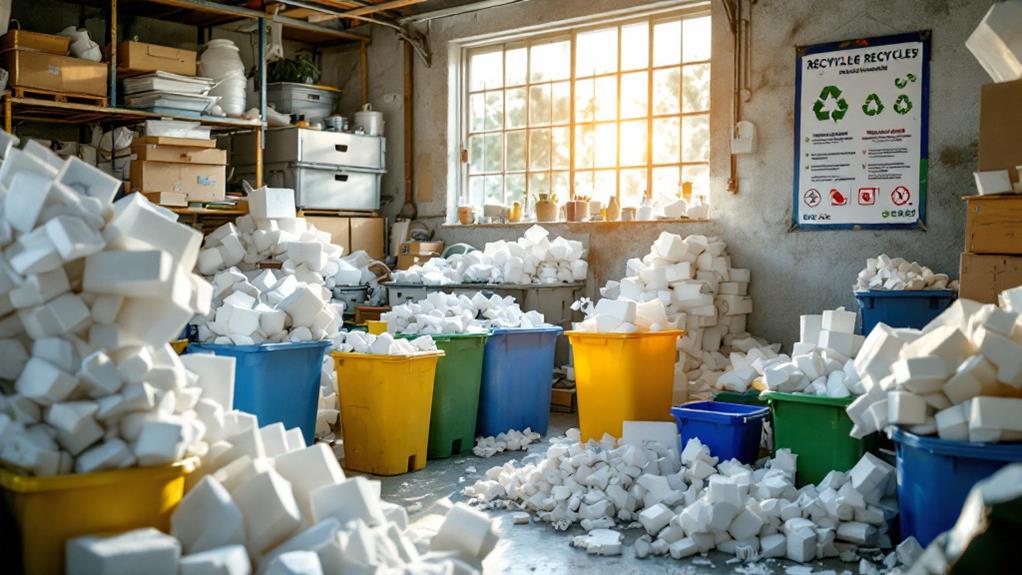
Ensure the thermocol is dry before further handling. Wet thermocol can be difficult to manage and might not be accepted for recycling. Also, break larger pieces into smaller ones to make transportation and processing easier. By sorting and preparing your thermocol properly, you're making it more likely that it'll be successfully recycled and not end up in a landfill.
Finding Local Recycling Centers
To find local recycling centers that accept thermocol, start by checking online resources like municipal websites or recycling directories. Many cities and towns have dedicated pages that outline recycling programs and list accepted materials. You can also investigate community initiatives that focus on recycling and sustainability, as they might have specific guidelines or partnerships with local centers.
When searching for recycling options, consider these resources:
- Municipal Recycling Programs: Often, these programs provide detailed information on where and how to recycle different materials, including thermocol.
- Community Initiatives: Local organizations and eco-groups often have updated information on recycling events or centers that handle specialized materials like thermocol.
- Online Recycling Directories: Websites like Earth911 or RecycleNation can help you locate recycling facilities based on your zip code, giving you tailored options for thermocol disposal.
After identifying potential centers, double-check that they accept thermocol, as not all facilities may process it. Contact them directly if needed to confirm their policies and any specific requirements they might have. By utilizing these resources, you can guarantee that your thermocol is disposed of responsibly, contributing to a more sustainable community.
Preparing Thermocol for Recycling
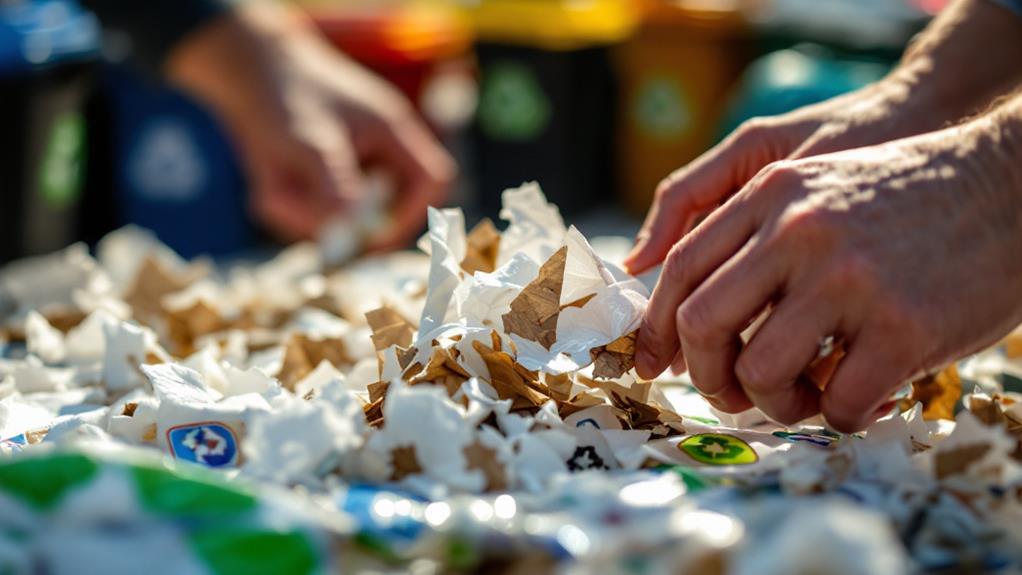
Properly preparing thermocol for recycling is vital to guarantee it's processed efficiently. Start by removing any labels, tape, or other attachments. These can interfere with recycling processes, so it's important to strip them away. Once you've done that, focus on cleaning techniques. Use a soft cloth or sponge to wipe off any dirt or debris. If there are sticky residues, a little bit of warm, soapy water should do the trick. Just make sure the thermocol is completely dry before moving on to the next step.
Next, refer to packaging guidelines provided by your local recycling center. Some facilities might request that thermocol be broken down into smaller pieces to save space. Don't just snap it into random chunks; try to break it down uniformly. This not only makes it easier for you to transport but also simplifies the recycling process at the facility.
Creative Reuse Ideas
Thermocol, often seen as a packing nuisance, can transform into a creative asset with a little imagination. Instead of tossing it out, why not put it to good use in numerous art projects or as insulation materials around your home? With its versatility, Thermocol can serve as a canvas for your next masterpiece or even as a handy tool in your gardening or crafting endeavors.
Consider these imaginative ways to reuse Thermocol:
- Art Projects: Turn Thermocol sheets into a blank canvas for painting or sculpture. It's lightweight and easy to cut, making it perfect for school projects or home decor.
- Insulation Materials: Use Thermocol pieces to insulate storage boxes or shipping containers. It helps maintain temperature, regardless of whether you're storing sensitive items or shipping perishables.
- Gardening: Break down Thermocol into small bits and mix it with soil to improve aeration and drainage in potted plants. This can help promote plant growth by preventing waterlogging.
Alternatives to Thermocol

Given its environmental impact, you might want to examine alternatives to Thermocol. Fortunately, there are several eco-friendly materials that can replace it without compromising quality. One popular option is biodegradable packaging, which breaks down much faster than conventional materials. This type of packaging often uses natural substances like cornstarch or bamboo fibers, providing the same protective qualities without the environmental cost.
Consider mushroom packaging as another creative solution. Made from agricultural waste and mycelium, this material is not only fully biodegradable but also offers excellent cushioning properties. It's a flexible and sustainable alternative that's gaining traction in numerous industries.
Recycled paper and cardboard are also reliable substitutes. They're readily available and can be molded into different shapes to meet your specific needs. These materials are both cost-effective and recyclable, making them a smart choice for sustainable packaging.
Don't overlook air pillows made from recycled materials. They offer lightweight protection and can be deflated, reducing waste volume. By embracing these eco-friendly alternatives, you're contributing to a healthier planet while still meeting your packaging needs. Investigate these options and make a conscious decision to move away from Thermocol.
Supporting Sustainable Practices
When you adopt sustainable practices, you take meaningful steps toward reducing environmental harm and promoting a healthier planet. Embracing sustainable packaging and choosing eco-friendly materials are effective ways to contribute positively to the environment. By supporting these practices, you minimize waste and reduce the demand for non-biodegradable materials like thermocol.
Consider these actions when aiming to support sustainability:
- Choose products with sustainable packaging: Opt for items packaged in materials that are recyclable or biodegradable. This simple choice can greatly decrease the amount of waste sent to landfills.
- Prioritize eco-friendly materials: When you buy items, look for those made from renewable resources or recycled content. Materials like bamboo, recycled paper, and biodegradable plastics are excellent alternatives.
- Advocate for change: Encourage businesses and communities to adopt eco-friendly practices. Your voice can influence companies to shift toward more sustainable options, creating a ripple effect.
Taking these steps not only helps the environment but also sets an example for others to follow. By prioritizing sustainability in your choices, you help build a more eco-conscious society, ensuring a healthier planet for future generations.