How to Safely Get Rid of Thermocol Waste
To safely get rid of thermocol waste, start by recycling it through local programs that accept expanded polystyrene. Confirm the waste is clean and free from contaminants. Many communities offer specialized machines to compress and transport thermocol for recycling. You can also creatively repurpose it into crafts, gardening insulation, or lightweight decor. Investigate workshops to learn more about sustainable practices. Support community and government initiatives focused on reducing thermocol waste. Consider eco-friendly alternatives like cornstarch or mycelium-based products. Staying informed about advancements and options can greatly improve sustainable efforts and lead to more effective solutions.
Understanding Thermocol Waste
Thermocol waste, often seen in packaging materials and disposable food containers, frequently poses a significant environmental challenge. You might not realize it, but understanding thermocol's properties is vital to addressing its disposal. Thermocol, also known as expanded polystyrene (EPS), is a lightweight, durable material known for its excellent insulation properties. It's composed of 98% air, which makes it buoyant and useful for multiple applications. However, these very properties also make it resistant to biodegradation, leading to accumulation in landfills.
When considering thermocol applications, you'll notice its versatility in everyday life. It's used extensively in packaging to protect fragile items during shipping. You'll also find it in building insulation, where its thermal resistance helps maintain energy efficiency. Moreover, thermocol is common in creating disposable food containers due to its capacity to maintain temperature and prevent leaks. Despite these benefits, the challenges arise from its widespread use and subsequent disposal.
As you investigate deeper into thermocol waste management, recognizing its properties and applications will help you make informed decisions. By understanding these aspects, you can examine more sustainable alternatives and effective disposal methods, ensuring minimal environmental impact.
Environmental Impact of Thermocol
Recognizing the widespread use of thermocol in multiple applications highlights its significant environmental impact. You might not realize it, but thermocol, commonly known as polystyrene foam, is a major contributor to environmental hazards. It's found in packaging, insulation, and even disposable cups and plates. The production of polystyrene involves the use of petroleum, which not only depletes natural resources but also leads to the release of harmful chemicals into the environment, affecting air quality and contributing to climate change the manufacturing process. But here's the catch: thermocol decomposition is a lengthy process, taking hundreds of years. During this time, it breaks down into smaller particles, known as microplastics, which can infiltrate soil and waterways, harming wildlife and ecosystems.
When you dispose of thermocol improperly, it often ends up in landfills or the ocean, where it poses a severe threat to marine life. Animals may mistake it for food, leading to ingestion that can cause blockages or even death. Moreover, thermocol isn't biodegradable, so it accumulates over time, contributing to the growing problem of plastic pollution.
In addition, thermocol production involves the release of harmful chemicals and greenhouse gases, exacerbating air pollution and climate change. As you consider the environmental impact of thermocol, it's vital to think about how your choices can reduce these hazards. Choosing alternatives and disposing of thermocol responsibly can help mitigate its negative effects on the planet.
Recycling Thermocol Effectively
One efficient way to tackle the problem of thermocol waste is by exploring recycling options that can transform it into reusable materials. You might wonder how this is possible, given thermocol's lightweight and insulative properties. Fortunately, recycling technologies have advanced, making it feasible to reprocess thermocol effectively. The key is understanding how these properties can be utilized during recycling, particularly considering that thermoplastics, which include materials like thermocol, can be remelted and reshaped into new products, as seen in the production process of plastics.
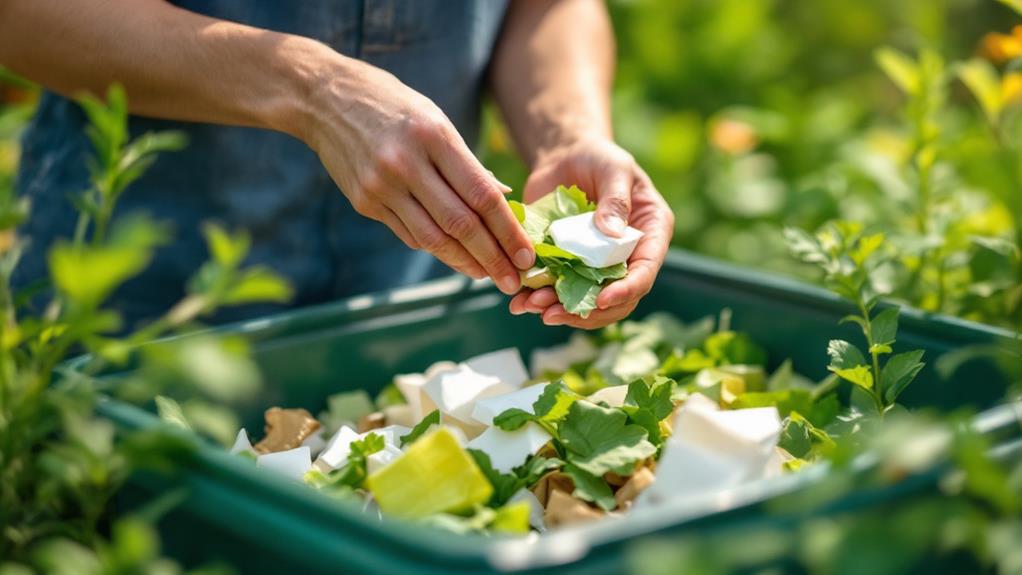
Thermocol, known for its resilience and cushioning abilities, can be broken down and reformed. Start by collecting clean thermocol waste, ensuring it's free from contaminants. Specialized machines, like compactors and densifiers, compress thermocol into dense blocks, reducing its volume considerably. This step is vital because it makes storage and transportation more manageable.
Once compacted, the blocks can be sent to recycling facilities where they're converted into new products. Advanced recycling technologies involve melting the thermocol at controlled temperatures, allowing it to be reshaped into items like picture frames, insulation boards, or even new packaging materials. By participating in thermocol recycling, you help conserve resources and reduce landfill waste. It's an eco-friendly choice that addresses the growing concern of thermocol disposal responsibly.
Local Recycling Programs
Participating in local recycling programs can considerably ease the challenge of disposing of thermocol waste. By engaging with community-driven local initiatives, you not only contribute to a cleaner environment but also support efforts to repurpose this non-biodegradable material responsibly. Many municipalities offer such programs that focus on collecting and recycling thermocol efficiently. These programs often come with clear guidelines on how to sort your waste, making your task straightforward.
Your involvement in these initiatives can foster stronger community partnerships. By working together, you and your neighbors can achieve more significant results in managing waste effectively. Local recycling centers often collaborate with schools and businesses to raise awareness and encourage participation, increasing the total impact of these programs. Keep an eye out for community events or workshops that focus on waste reduction and recycling practices.
To participate, start by researching what's available in your area. Contact your local government or environmental organizations to find out about specific thermocol recycling options. They might have drop-off locations or scheduled pick-up services. By taking these steps, you're not just disposing of thermocol waste responsibly; you're also playing an active role in enhancing local environmental sustainability.
Innovative Disposal Techniques
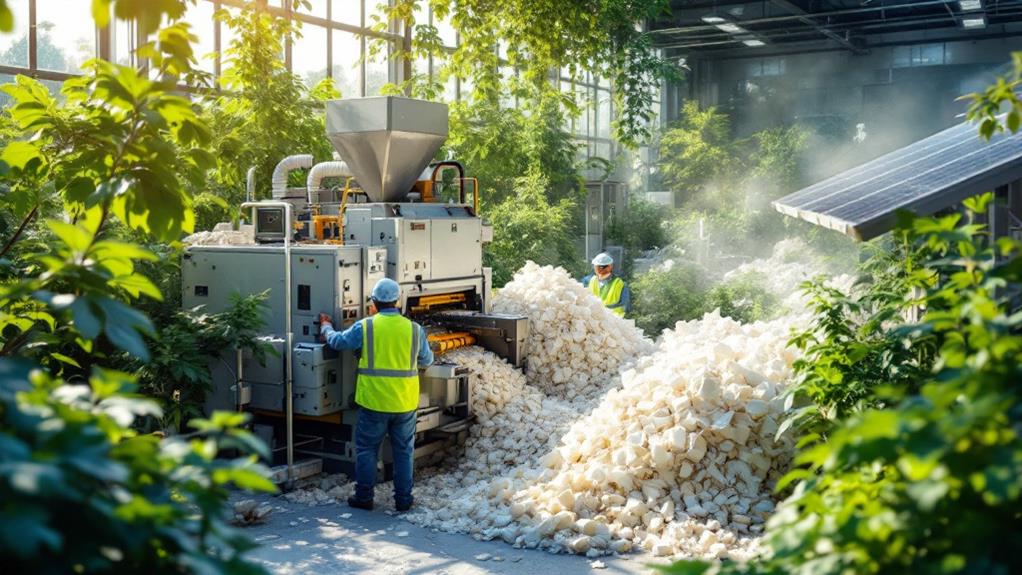
Regarding managing thermocol waste, creative disposal techniques offer exciting alternatives to traditional methods. You might wonder how to tackle this challenge efficiently. One groundbreaking approach is exploring biodegradable materials. These materials break down more easily and can replace thermocol in many applications. By choosing products made from biodegradable resources, you reduce dependency on traditional thermocol, helping to decrease overall waste.
Another technique involves turning thermocol waste into sustainable packaging. Companies are increasingly developing methods to convert discarded thermocol into new, eco-friendly packaging solutions. This not only diverts waste from landfills but also supports a circular economy, where materials are continuously reused and recycled.
You can also look into local initiatives that focus on upcycling thermocol waste. Some communities have started programs that transform thermocol into usable items or incorporate it in construction materials. By supporting these initiatives, you contribute to reducing environmental impact and promoting sustainability.
Lastly, staying informed about technological advancements in waste management can lead you to even more groundbreaking disposal techniques. You can actively participate in workshops or seminars to learn about cutting-edge solutions, ensuring you're part of the movement towards a greener future.
Reusing Thermocol Creatively
Ever wondered how you can repurpose thermocol instead of throwing it away? Transforming thermocol into thermocol crafts is a fantastic way to reduce waste while engaging your creative side. Start by collecting thermocol pieces from packaging or old projects. With a bit of imagination, these materials can become the foundation for unique and creative projects.
One idea is to craft lightweight decorative items. Cut thermocol into shapes like stars, hearts, or abstract designs, then paint them with lively colors. You can string them together to create garlands or hang them individually as wall art. For those who enjoy model-making, thermocol is ideal for constructing small-scale architectural models or dioramas, thanks to its easy-to-cut nature.
If you're into gardening, consider using thermocol as planters. Hollow out a block, fill it with soil, and plant small herbs or succulents. It's a great way to add charm to your space while being eco-friendly.
Community Engagement Strategies
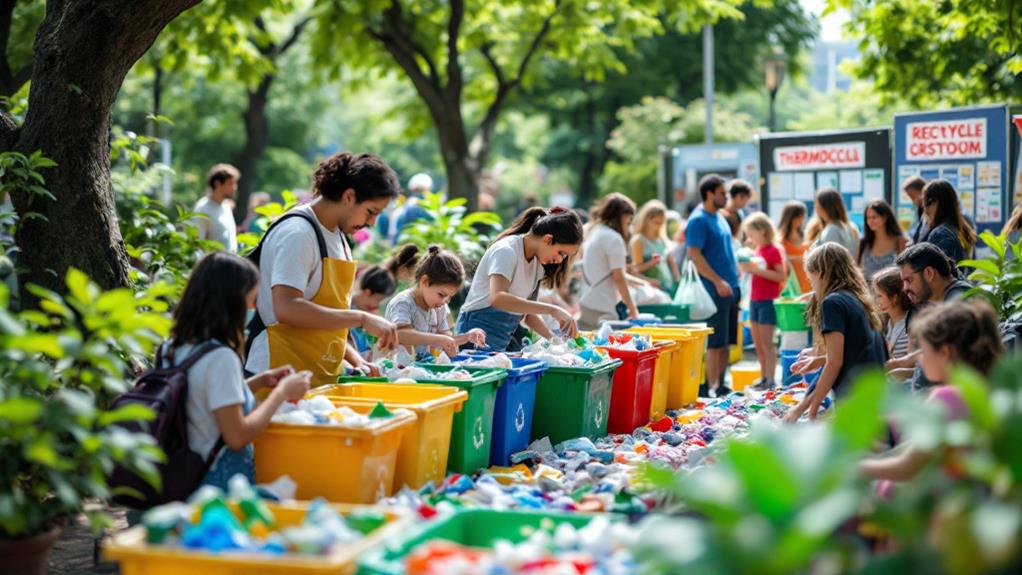
While repurposing thermocol at home is rewarding, engaging your community in sustainability efforts can amplify the impact greatly. One effective approach is organizing community workshops focused on creative ways to reuse thermocol. These workshops can serve as a platform for sharing ideas, learning new techniques, and encouraging collective action. You can invite local artists or eco-enthusiasts to demonstrate groundbreaking projects, turning an environmental concern into an opportunity for creativity and collaboration.
Awareness campaigns play an essential role in educating your neighbors about the impact of thermocol waste and the importance of proper disposal. Consider hosting informational sessions in local schools or community centers to reach a broader audience. Use social media platforms to spread the message further, sharing tips, success stories, and upcoming events.
Building partnerships with local businesses and organizations can also strengthen your efforts. Engage them in sponsoring workshops or providing resources for awareness campaigns. Encourage them to adopt eco-friendly practices, setting an example for others. By fostering a sense of community responsibility, you'll not only reduce thermocol waste but also nurture a culture of sustainability. Remember, collective efforts make a significant difference in environmental preservation.
Government Policies and Regulations
To effectively address the issue of thermocol waste, understanding government policies and regulations is vital. Governments worldwide have initiated numerous measures to manage and reduce thermocol waste. These government initiatives often include setting strict guidelines for disposal and recycling processes. By familiarizing yourself with these policies, you can contribute to a more sustainable approach to handling thermocol waste.
Governments usually develop regulations that mandate businesses and individuals to follow specific practices for waste management. Policy enforcement plays a significant role in ensuring compliance with these regulations. It's not just about having policies in place; it's about making sure they're actively enforced. For instance, some regions impose penalties for non-compliance or offer incentives for adopting environmentally friendly practices.
Future of Thermocol Alternatives

As the world becomes more environmentally conscious, the search for viable alternatives to thermocol is gaining momentum. You might be wondering what options are available that don't harm the planet. Fortunately, there are groundbreaking solutions on the rise, focusing on biodegradable materials and sustainable packaging. For example, products made from cornstarch, mushroom mycelium, or even seaweed are emerging as promising substitutes. These materials naturally break down over time, reducing environmental impact and waste.
When choosing packaging, consider options that align with sustainable practices. Cardboard, recycled paper, and biodegradable plastics are just a few of the eco-friendly materials you can investigate. They not only serve the purpose of protecting goods but also decompose without leaving harmful residues. By opting for these alternatives, you're not just making a responsible choice but also encouraging industries to prioritize sustainability.
To further support this shift, stay informed about the latest developments in sustainable packaging technologies. Engage with companies that are committed to reducing their carbon footprint. Your choices can drive demand for biodegradable materials and push for more groundbreaking, eco-friendly solutions in the future. Together, we can make a significant impact on reducing thermocol waste.