Making Thermocol at Home: Is It Possible?

You can try making thermocol at home, but it's quite challenging. Thermocol is made from expanded polystyrene, which requires specific materials and controlled heating to expand the beads properly. Replicating industrial conditions like temperature and pressure is difficult in a home setting. There are also safety risks from handling chemicals like styrene, which demand ventilation and protective gear. In addition, thermocol isn't environmentally friendly, as it's non-biodegradable and contributes to pollution. Consider exploring sustainable alternatives like mushroom or cornstarch-based materials for safer and greener options. There's plenty more to uncover if you're keen on alternatives and safety.
Understanding Thermocol Composition
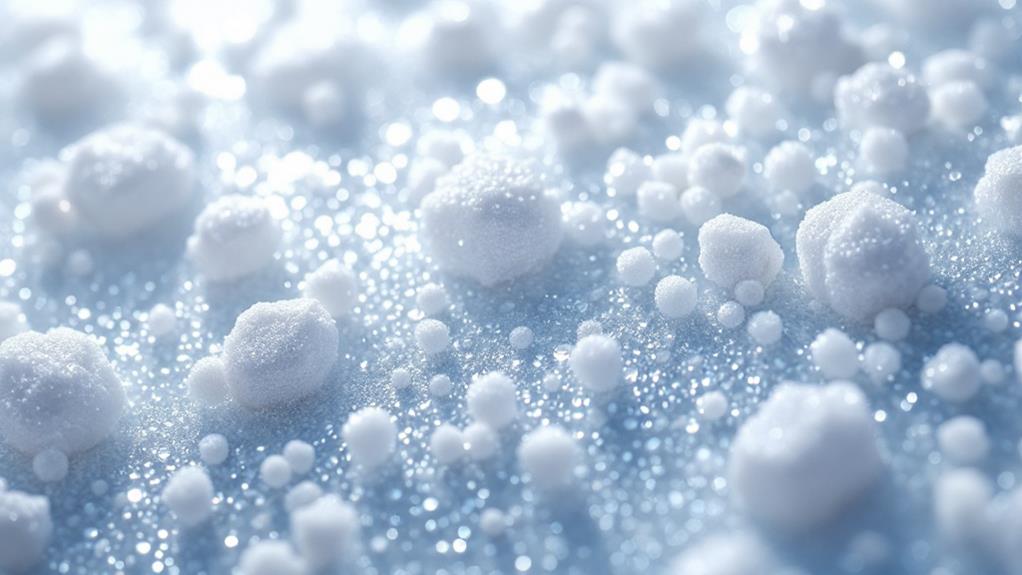
To fully grasp how to make thermocol at home, you need to understand its composition. Thermocol, commonly known as expanded polystyrene (EPS), is a lightweight material often used for thermal insulation. Its chemical properties stem from polystyrene, a polymer made from the monomer styrene. When you heat polystyrene, it expands into a foam-like structure, trapping air within its cells. This trapped air is what gives thermocol its excellent thermal insulation qualities, making it a popular choice for packaging and construction. Notably, the efficiency of energy transformation in materials like thermocol can be compared to energy release in matter-antimatter collisions, where significant energy is produced during annihilation. You'll find that thermocol's strength lies in its ability to resist heat flow. This is due to the inherent chemical properties of polystyrene, which create a barrier against temperature changes. By understanding these properties, you can appreciate why thermocol is so effective in maintaining temperatures and protecting delicate items during transport.
When making thermocol, you're fundamentally replicating this process of expansion and air entrapment. It's crucial to focus on the balance of heat and chemical reactions to achieve the desired insulation properties. By mastering these elements, you're well on your way to creating thermocol that meets your specific needs. Just remember, precision is key in emulsifying these chemical components.
Industrial Production Process
In industrial settings, the production of thermocol involves a series of well-coordinated steps designed for efficiency and quality. Initially, you'll need to understand that the primary raw materials are expandable polystyrene beads. These tiny beads form the backbone of thermocol. The process begins with pre-expansion, where you heat the beads using steam. This causes them to expand considerably, filling with air and becoming lightweight. This method of expansion is somewhat similar to how modern air conditioning systems utilize phase conversion to manage temperature, which demonstrates the fascinating principles of energy transformation in engineering air conditioning principles.
Next, the expanded beads undergo a maturation period. During this phase, they're allowed to cool and stabilize. This guarantees they're ready for the next step: molding. You'll use production techniques that involve pouring the beads into molds of different shapes and sizes. Steam is applied again, causing the beads to fuse together, forming a solid block or sheet.
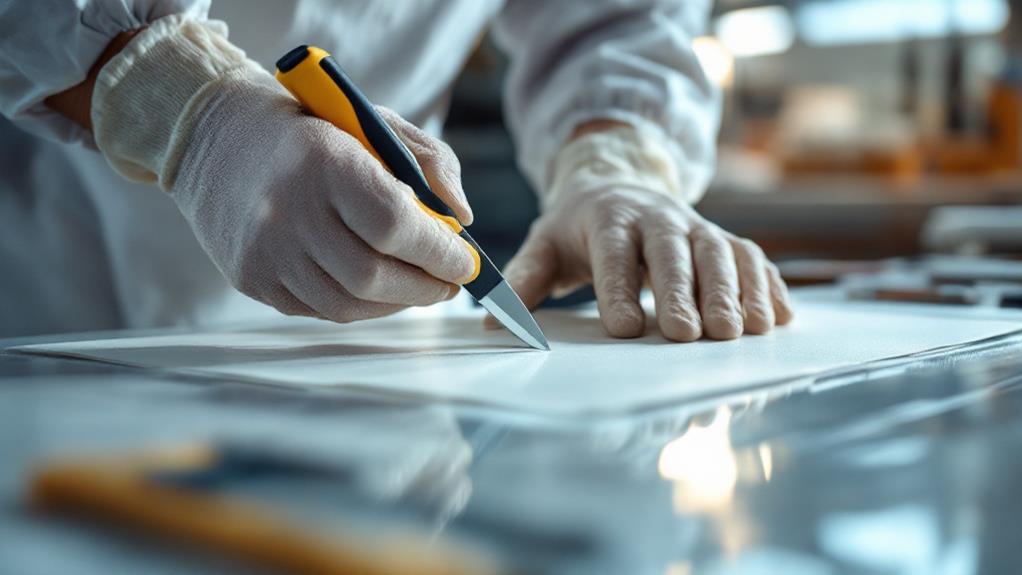
Once molded, the thermocol is cooled, cut, and shaped according to specifications. Quality checks are vital here to guarantee the final product meets industry standards. These steps highlight the detailed nature of industrial thermocol production. By mastering these techniques, manufacturers can produce large quantities efficiently, making thermocol a versatile material for numerous applications. Industrial processes guarantee consistency and quality that's hard to replicate on a smaller scale.
Challenges of DIY Thermocol
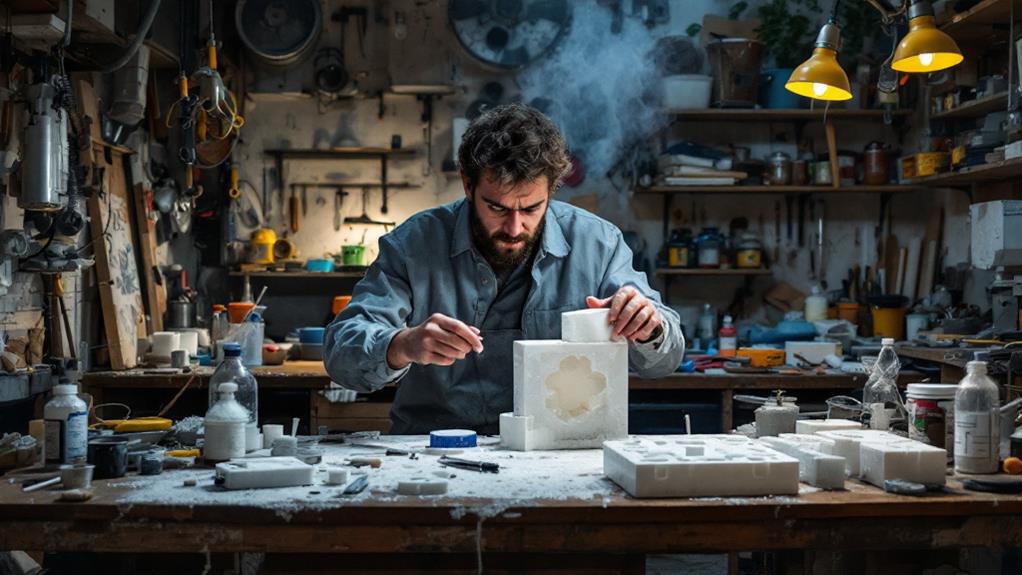
Creating thermocol at home presents several challenges that can be difficult to overcome. One of the primary issues is finding the right materials. When you rely on homemade methods, sourcing the exact chemical components needed for thermocol can be tricky. Industrial processes often use substances not readily available to the general public, and acquiring them might require special permits or suppliers that cater to businesses rather than individuals.
Additionally, replicating the precise conditions necessary for thermocol production in a home setting poses another hurdle. Industrial facilities have specialized equipment and controlled environments to guarantee the material forms correctly and safely. Without access to such resources, you might struggle to maintain the right temperature and pressure, leading to inconsistent or poor-quality results.
Even if you manage to gather the right materials and mimic the conditions, the scale of production could be a limiting factor. Homemade methods typically can't produce the large quantities of thermocol that factory setups can. This limitation might not be a problem for small projects, but it's a significant challenge if you're aiming for larger applications. In general, the do-it-yourself approach to making thermocol requires careful consideration of these challenges.
Safety Concerns and Precautions
Attempting to make thermocol at home isn't just challenging; it also brings up significant safety concerns. Handling the raw materials required for thermocol production can expose you to harmful chemicals. These substances, such as styrene and benzene, can cause irritation to your skin, eyes, and respiratory system. Proper ventilation is essential to avoid inhaling toxic fumes. Always wear protective gear like gloves and goggles to minimize direct contact with these chemicals.
Another vital risk is the potential for fire hazards. The process of creating thermocol involves heating materials to high temperatures. If you don't control the temperature precisely, there's a risk of combustion. Styrene is highly flammable, and a small mistake can lead to a dangerous fire. Keep a fire extinguisher nearby and make certain your workspace is free from flammable materials.
You should also be cautious about disposing of chemical waste. Improper disposal can lead to accidental fires or environmental damage. Always follow local regulations when disposing of any waste products. Prioritizing safety and being aware of these hazards can prevent accidents and guarantee a safer DIY experience. Don't compromise on safety; it's not worth the risk.
Environmental Impact Considerations

Crafting thermocol at home isn't just a safety concern; it's an environmental one too. You might think you're saving money or being resourceful, but the ecological impact is significant. Thermocol, or expanded polystyrene, isn't biodegradable, which means it can sit in landfills for centuries, contributing to pollution. When you make thermocol at home, you add to this environmental burden. It's not just about what you produce but also how you dispose of it.
Recycling thermocol is challenging because not all recycling facilities accept it. Even if you find a place that does, the recycling process for thermocol is energy-intensive and costly. Instead of focusing on making thermocol, consider how you can contribute to sustainable practices. Look into biodegradable options that break down naturally and reduce your carbon footprint.
Exploring Alternatives to Thermocol
Given the significant environmental impact of thermocol, it's crucial to examine more sustainable alternatives. You can turn to biodegradable materials that break down naturally and reduce waste. These eco-friendly options not only minimize pollution but also contribute to a healthier planet. For instance, mushroom packaging has gained popularity as a viable alternative. It's made from agricultural waste and mycelium, providing a fully compostable solution that leaves no lasting environmental footprint.
Another option to take into account is cornstarch-based materials. These are derived from corn and can be molded into different shapes, just like thermocol. They're biodegradable and decompose naturally, making them perfect for sustainable packaging. You might also investigate recycled paper products, which can be molded to offer cushioning and protection like thermocol but without the harmful side effects.
Lastly, think about using seaweed-based packaging. It's a creative material that's gaining traction for its biodegradability and versatility. Seaweed-based materials are not only sustainable but also help in reducing plastic pollution. By choosing these alternatives, you're not just opting for a greener choice; you're actively participating in preserving the environment for future generations. It's a small change that can make a big difference.