Maximum Heat Insulation Properties of Thermocol

When you investigate the maximum heat insulation properties of thermocol, you'll uncover its exceptional capabilities. Thermocol, made of expanded polystyrene, has a unique structure with millions of air-filled cells, making it an excellent insulator. Air's low thermal conductivity helps reduce heat transfer through conduction and convection, while the material's structure minimizes air movement. This leads to effective insulation in construction, packaging, and beyond. Its lightweight and versatility add to its appeal, but keep in mind the environmental considerations, such as recycling challenges. Uncover more about thermocol's role in balancing efficiency with sustainability.
Understanding Thermocol's Structure
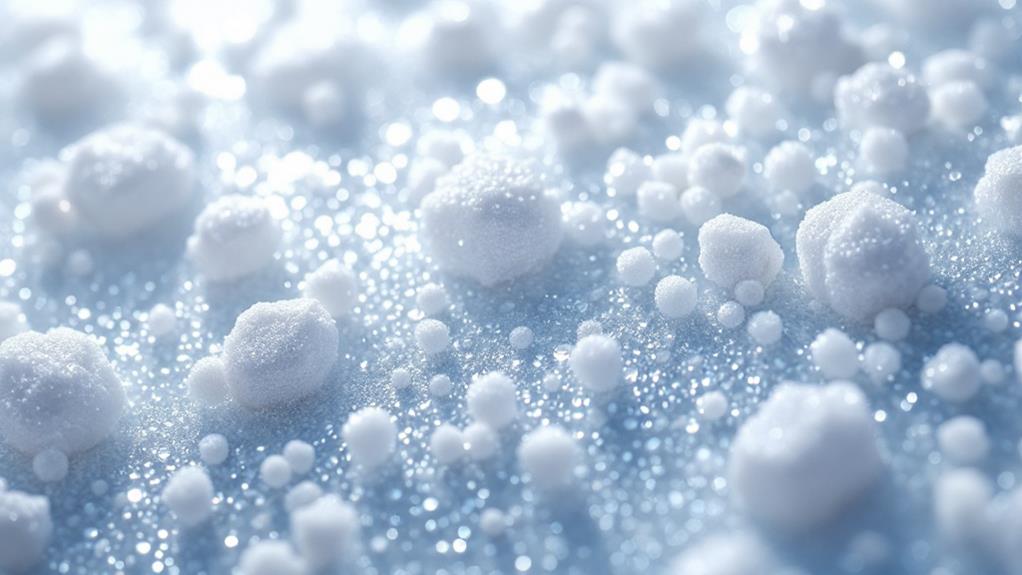
To truly appreciate thermocol's heat insulation properties, you initially need to understand its structure. Thermocol, also known as expanded polystyrene (EPS), features a unique cellular structure that plays a crucial role in its insulating capabilities. Plastics, like those produced through processes such as polymerization, can exhibit varied characteristics depending on their composition. Imagine this: millions of tiny, closed cells packed closely together, each filled with air. This configuration is vital because air is a poor conductor of heat.
By trapping air within these cells, thermocol minimizes thermal conductivity. You see, thermal conductivity is a material's ability to conduct heat, and lower values mean better insulation. Thermocol's cellular structure restricts the movement of heat through the material, making it an excellent insulator. When you use thermocol, you're fundamentally creating a barrier that slows down heat transfer, keeping temperatures stable on either side.
In practical terms, regardless of whether you're using it in construction or packaging, thermocol helps maintain desired temperatures efficiently. Its lightweight nature and ease of use add to its appeal, but it's the cellular structure that truly makes it stand out. By limiting thermal conductivity, thermocol guarantees that heat has a tough time moving through, making it a reliable choice for insulation needs.
Thermal Resistance Mechanism
One key reason thermocol excels as an insulator is its inherent thermal resistance mechanism. You see, thermocol is designed to minimize heat transfer, ensuring that your space remains at a consistent temperature. This is achieved through its unique structure, filled with countless tiny air pockets. These pockets act as barriers, considerably slowing down the movement of heat from one side to the other. As a result, thermocol's insulation efficiency is remarkably high, making it a popular choice in numerous applications, from packaging to building insulation. The effectiveness of thermocol as an insulator can be compared to how yeast creates an ideal environment for fermentation processes by producing gas bubbles that help dough rise.
Let's break down how thermocol's thermal resistance mechanism works:
- Reduced Heat Conduction: The air pockets within thermocol reduce direct heat transfer by conduction, making it difficult for heat to flow through the material.
- Minimized Convection: The structure limits the movement of air within the material, preventing heat transfer by convection, further enhancing insulation efficiency.
- Reflective Surfaces: Some thermocol materials have reflective surfaces that bounce back heat, reducing radiant heat transfer and keeping temperatures stable.
Comparing Insulation Materials

When comparing insulation materials, it's essential to evaluate how different options stack up against each other regarding efficiency, cost, and application. Insulation efficiency is a key factor to take into account as it determines how well a material can prevent heat transfer. Thermocol, or expanded polystyrene (EPS), often features prominently due to its impressive insulation efficiency. It's lightweight and provides a high thermal resistance, making it a popular choice for many.
However, you shouldn't overlook other materials like mineral wool and fiberglass. Mineral wool offers excellent sound absorption properties alongside its thermal efficiency, while fiberglass is known for its versatility and affordability. While they might not match Thermocol's lightweight nature, they do provide a robust alternative depending on your specific needs.
Material costs also play a significant role in your decision-making. Thermocol is generally cost-effective, which appeals to budget-conscious projects. On the flip side, while mineral wool and fiberglass might incur higher upfront costs, they often result in long-term savings due to their durability and efficiency. Balancing insulation efficiency with material costs helps you make informed decisions that align with your priorities and budget constraints.
Applications in Construction
Many construction projects benefit from using Thermocol for its heat insulation properties. When you incorporate Thermocol into your construction plans, you improve building efficiency and considerably enhance thermal comfort. Its lightweight nature allows for easy installation techniques, making it a preferred choice for builders looking to save on labor and materials costs.
Thermocol offers a variety of advantages in construction:
- Cost Effectiveness: By reducing energy consumption, Thermocol helps lower utility bills, providing long-term energy savings. Its durability also means fewer replacements, adding to its economic appeal.
- Design Flexibility: Because Thermocol can be shaped and sized to meet specific design needs, you have the freedom to investigate unique architectural concepts without compromising on thermal performance.
- Acoustic Insulation and Fire Safety: Besides thermal benefits, Thermocol provides excellent acoustic insulation, reducing noise pollution inside buildings. It's also treated with flame retardants, contributing to improved fire safety.
If you're aiming for sustainable and efficient construction, Thermocol offers a thorough solution. It's a smart choice that balances initial investment and ongoing operational costs, ensuring you achieve both energy efficiency and a comfortable living environment.
Environmental Impact Considerations

While Thermocol offers numerous benefits in construction, it's vital to contemplate its environmental impacts as well. You're likely aware that Thermocol, or expanded polystyrene (EPS), poses significant sustainability concerns. Its production relies on non-renewable resources like petroleum, contributing to environmental degradation from the outset. When used in large quantities, as often seen in insulation projects, the environmental footprint can't be ignored.
Moreover, recycling challenges complicate its eco-friendly disposal. Thermocol is notoriously difficult to recycle due to its lightweight and bulky nature. Many recycling facilities don't accept it, and those that do often face logistical hurdles. This leads to significant amounts ending up in landfills, where it takes centuries to decompose, releasing harmful chemicals into the environment. You need to think about these factors when considering Thermocol for your projects.
If you're committed to reducing environmental impact, look into alternative materials or guarantee proper collection and recycling processes for used Thermocol. Addressing these sustainability concerns is vital. By doing so, you'll not only benefit from its excellent insulation properties but also contribute to a more sustainable future. Remember, every small step counts in preserving our planet.
Advances in Thermocol Technology
Embracing new advancements in Thermocol technology can significantly improve its application in construction and other industries. By integrating advanced manufacturing techniques, you can augment the complete performance and versatility of Thermocol. Advanced manufacturing allows for precise control over the material's density and structure, optimizing its heat insulation capabilities. As a result, Thermocol becomes more efficient in reducing energy consumption, which is crucial in the contemporary environmentally conscious world.
Innovative applications of Thermocol have expanded beyond traditional uses. In construction, Thermocol is now being used in the creation of prefabricated building panels and insulation boards, offering a lightweight yet effective solution for thermal management. Additionally, its adaptability makes it suitable for other sectors, including packaging and even art installations, where its insulating properties can be creatively harnessed.
Here are some key advancements in Thermocol technology:
- Improved Insulation: New manufacturing processes enhance insulation efficiency, reducing energy costs.
- Versatile Design: Thermocol can be molded into different shapes and sizes, broadening its application range.
- Sustainability: Innovations focus on creating eco-friendly Thermocol, addressing environmental concerns while maintaining functionality.
Maintenance and Durability
Guaranteeing the longevity and performance of Thermocol requires understanding its maintenance and durability aspects. You'll want to be proactive in evaluating its condition regularly. Conduct a lifespan evaluation to determine how long your Thermocol insulation can effectively serve you. By doing so, you'll identify any signs of wear or damage early on, allowing for timely interventions.
To maintain Thermocol, keep it dry and shield it from excessive moisture, as water can degrade its insulating properties. When you notice any damage, employ appropriate repair techniques. Minor dents or scratches can often be smoothed out or patched using compatible adhesives. If sections become irreparably damaged, replacing them is the best course of action to guarantee continued efficiency.
In terms of durability, Thermocol is quite robust under ideal conditions, but it's crucial to protect it from extreme temperatures and physical stress. By storing it correctly and avoiding heavy impacts, you'll extend its lifespan considerably. Remember, regular checks and proper care can prevent costly replacements. In doing so, you'll maintain Thermocol's maximum heat insulation properties and guarantee it serves your needs effectively over the years.