Simple Steps to Recycle Thermocol at Home
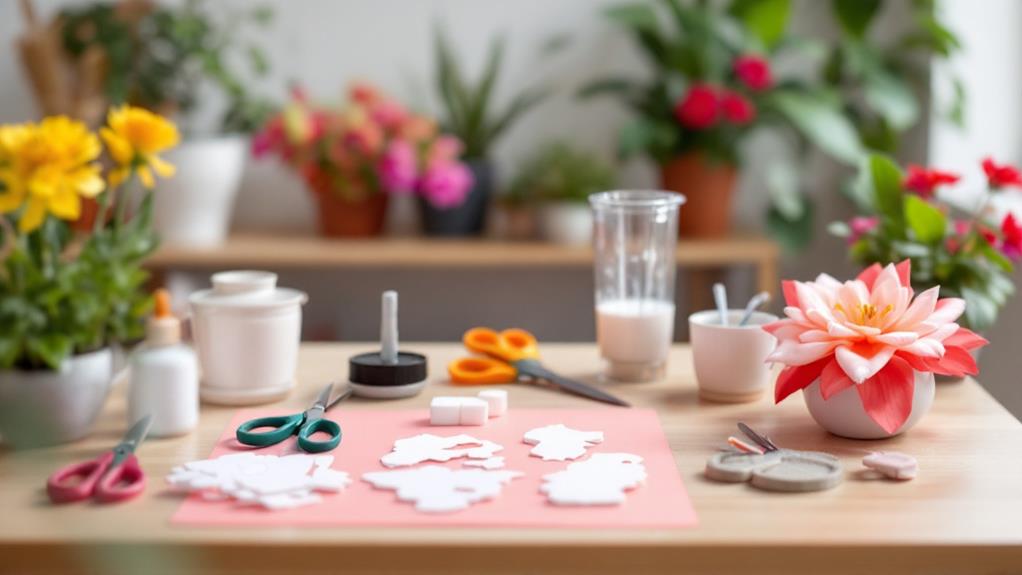
Start by gathering thermocol from recent deliveries or old packing materials, then clean it with a dry cloth, ensuring it's free of labels and completely dry. Break the thermocol into manageable pieces using a sharp knife or scissors, which makes handling simpler. You can repurpose these pieces for DIY crafts, insulation, or even as garden pot fillers for drainage. Allocate a specific storage area for leftover thermocol or explore local community recycling efforts for responsible disposal. By following these straightforward steps, you'll contribute to environmental sustainability and uncover more creative ways to recycle thermocol at home.
Gather Your Thermocol
Before you start recycling thermocol, gather all the pieces you have around your home. Take a moment to look in storage areas, unpacked boxes, or any recent deliveries. Thermocol, often used for packing, can come in different shapes and sizes. You might find distinct thermocol types, such as sheets, blocks, or molded shapes designed to protect electronics or fragile items. Understanding these types will help you manage them better for recycling.
Identifying these pieces is essential because not all thermocol is the same. Some might be more compact and durable, while others are lightweight and fragile. By recognizing these differences, you can handle them properly, ensuring they're ready for the recycling process. The benefits of recycling thermocol are numerous. By recycling, you're reducing landfill waste, conserving resources, and minimizing environmental impact. It's a straightforward way to contribute positively to the planet.
Once you've collected all your thermocol, you're set to move forward in the recycling process. Remember, every small step you take in recycling counts. You're not just cleaning up your space, but also playing a part in a larger environmental effort.
Clean and Prepare
Cleaning your thermocol is a crucial step before recycling it. You want to make sure it's free from dirt, dust, or any leftover packaging materials. Start by using a soft, dry cloth or a brush to gently wipe away surface debris. This simple cleaning technique helps prevent any contamination that might affect the recycling process. If there are stubborn spots, a slightly damp cloth can be used, but avoid soaking the thermocol. Excessive moisture can compromise its structure, making it less suitable for recycling. Furthermore, since thermocol is made of polystyrene, verifying it is clean helps enhance its recycling potential, as contaminants can hinder the process and degrade the quality of the recycled material. For more insights on thermocol's properties and applications, refer to its manufacturing process.
Once the surface is clean, inspect the thermocol for any labels, stickers, or tape. These should be removed carefully, as they can interfere with recycling. A little patience and some gentle peeling usually do the trick. If residue remains, a small amount of rubbing alcohol on a cloth can help clean it off without damaging the material.
As part of your preparation tips, confirm the thermocol is completely dry before moving to the next steps. Moisture can hinder recycling efforts and degrade the quality of the material. Proper cleaning and preparation not only make recycling easier but also more efficient, making certain your thermocol is ready for the next stage.
Break Into Smaller Pieces
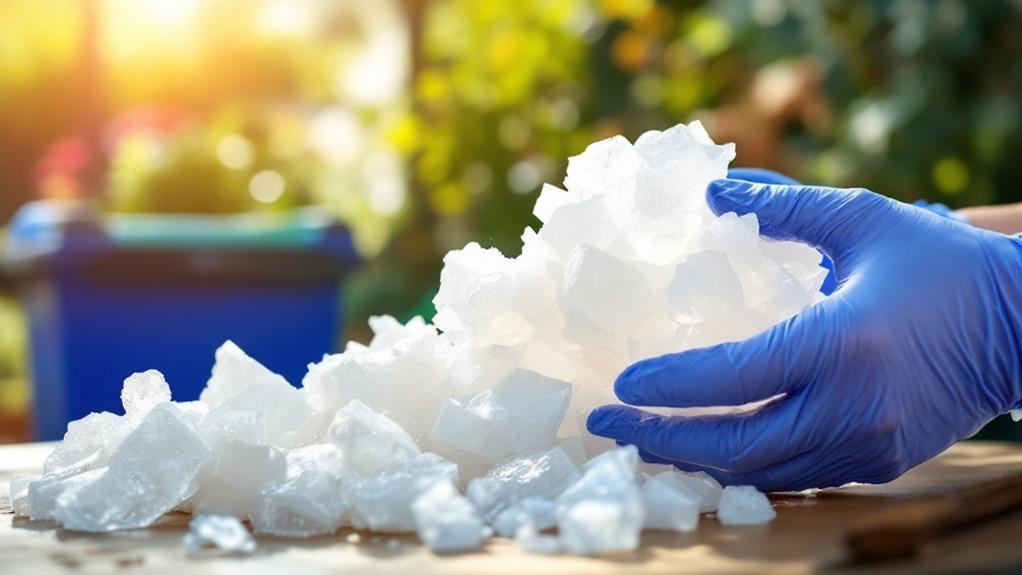
Now that your thermocol is clean and dry, it's time to break it into smaller pieces. This step is essential because thermocol, or expanded polystyrene, is bulky and takes up a lot of space. By breaking it down, you make it easier to handle and prepare for recycling methods. Start by placing the thermocol on a flat surface. Use a sharp knife or scissors to cut it into manageable pieces. Be cautious, as thermocol can crumble easily due to its lightweight and brittle properties. Moreover, make certain that the pieces are cut in a way that allows for efficient storage and transportation, which can be similar to how proper glue application guarantees effectiveness in bonding. When you cut the thermocol, aim for pieces that are uniform in size. This consistency helps when you're ready to utilize different recycling methods. Smaller pieces are also more convenient for storage and transportation, should you decide to take them to a recycling facility.
Create New Uses
With a little creativity, you can transform your leftover thermocol into practical or decorative items. Start by considering creative crafts; thermocol can be cut into diverse shapes for DIY decorations. Paint and embellish them to create unique wall art or centerpieces.
Next, think about insulation projects. Thermocol's insulating properties make it ideal for lining the interiors of your home. You can place it behind radiators or in attics to keep rooms warmer during cold months. It's an easy and cost-effective way to improve your home's energy efficiency.
In the garden, thermocol serves excellent purposes. Use it as a lightweight filler for large pots, helping improve drainage and reduce the weight of soil-filled containers. This makes moving pots around much easier, especially for plants that need repositioning with seasonal changes.
Thermocol's soundproofing solutions are another avenue to investigate. You can use it to line walls or ceilings in a music room, reducing noise levels effectively.
Store or Dispose Responsibly
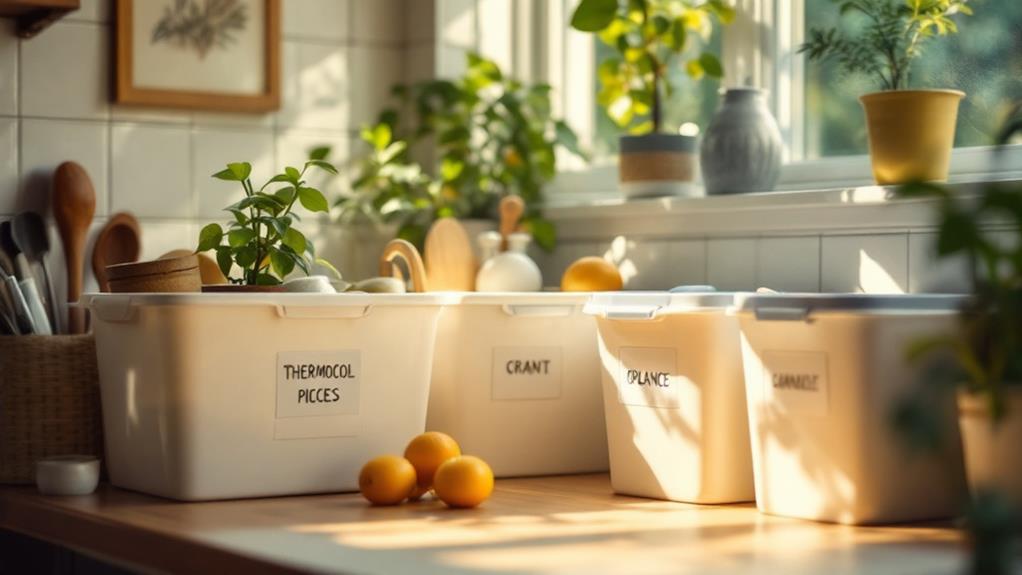
Proper stewardship of thermocol waste guarantees that our efforts in reducing environmental impact don't go in vain. In terms of storing or disposing of thermocol, you can make a significant difference by adopting eco-friendly practices. Start by designating a specific storage area in your home for thermocol pieces you plan to reuse or recycle. This prevents them from cluttering your space while keeping them ready for future projects or proper disposal.
If you need to dispose of thermocol, research local community initiatives that focus on recycling or repurposing such materials. Many communities have programs where you can drop off thermocol waste, ensuring it's handled responsibly. Participating in these initiatives not only promotes sustainability but also supports your community's efforts in reducing landfill waste.
You can also consider organizing a neighborhood collection drive, encouraging others to join in eco-friendly practices. By doing this, you're fostering a culture of environmental responsibility that could inspire others to follow suit. Remember, every small action contributes to a larger impact. By storing and disposing of thermocol responsibly, you're playing your part in preserving our planet for future generations.