What Are Plastic Bags Made Of? Materials Explained
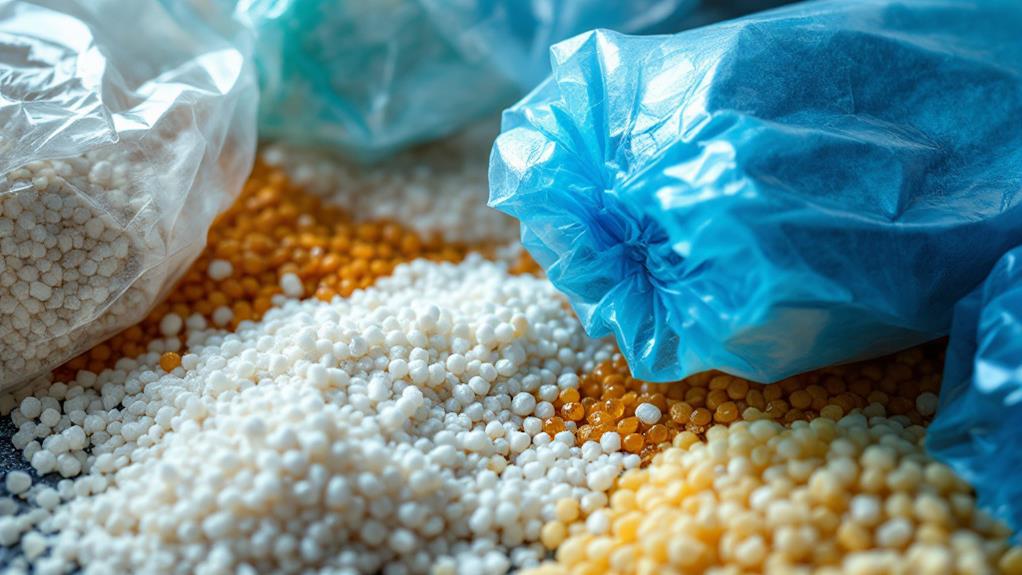
Plastic bags are mainly made from polyethylene, a durable and non-biodegradable polymer. You'll encounter two main types: High-Density Polyethylene (HDPE) and Low-Density Polyethylene (LDPE). HDPE's strength makes it great for heavier items, while LDPE offers flexibility for stretchable uses. These bags often include additives to improve durability and fillers to cut costs. However, traditional plastic bags contribute considerably to long-term pollution and environmental harm. Despite the convenience, they result in issues like marine life endangerment. Exploring biodegradable and reusable alternatives can mitigate these impacts, and there's a lot more to uncover about their environmental expedition.
Common Types of Plastic Bags
Plastic bags come in assorted forms, each designed for specific purposes. As you navigate through your shopping preferences, you might notice diverse types of plastic bags, each catering to different needs. Some are thin and lightweight, perfect for carrying groceries from the store to your car, while others are made from polymers produced from natural products and are thicker and more durable, made for repeated use, offering reusable options that are both eco-friendly and cost-effective over time.
When you're choosing a bag, consider its intended use. For quick, single-use tasks, a standard disposable plastic bag may suffice. However, if you're environmentally conscious or looking to save money in the long run, reusable options like tote bags or even thicker plastic bags with reinforced handles might be your go-to choice. These not only reduce waste but often provide better support for heavier items.
Incorporating these reusable options into your shopping habits can align with evolving shopping preferences geared towards sustainability. By selecting the right type of bag for each occasion, you contribute to reducing plastic waste while enjoying the benefits of convenience and practicality. So, next time you shop, weigh your options and choose what fits your needs best.
Polyethylene: Key Component
At the core of most plastic bags, you'll find polyethylene, a versatile and durable polymer that plays a crucial role in their composition. Polyethylene properties make it a popular choice for manufacturing plastic bags. Its flexibility allows bags to stretch without breaking, while its strength guarantees they can hold numerous items securely. This polymer's lightweight nature also reduces transportation costs and energy consumption during production. However, similar to the challenges faced by vulnerable regions like the Maldives with rising sea levels, the environmental impact of plastic waste is a critical concern. More than 90 inhabited islands experience annual flooding due to climate change, highlighting the urgency of addressing pollution from materials like polyethylene.
However, polyethylene isn't without its drawbacks. One of the major environmental concerns associated with polyethylene is its non-biodegradable nature. When plastic bags end up in landfills, they can take hundreds of years to decompose, contributing to long-term pollution. Moreover, discarded plastic bags often find their way into oceans, posing threats to marine life, which may mistake them for food.
To mitigate these environmental concerns, many people advocate for recycling programs and the development of biodegradable alternatives. By recycling polyethylene, you can help reduce waste and the demand for new plastic production. Although polyethylene remains a key component in plastic bags, understanding its properties and environmental impact can guide better choices, both in usage and disposal, contributing to a more sustainable future.
High-Density vs. Low-Density
Understanding polyethylene's role in plastic bags paves the way to investigate the differences between high-density and low-density polyethylene. High-density polyethylene (HDPE) features tightly packed molecular chains, granting it greater strength and rigidity. This makes HDPE bags ideal for carrying heavier items, like groceries. On the other hand, low-density polyethylene (LDPE) has more loosely arranged molecular chains, resulting in a softer, more flexible material. LDPE bags are great for items where stretchability and lightness are key, such as produce bags or bread wrappers.
The material properties of HDPE and LDPE lead to different applications based on their unique strengths. HDPE's robustness means it's more resistant to punctures and can handle rougher handling. Meanwhile, LDPE's flexibility allows it to stretch and conform to the shape of its contents, offering versatility in packaging.
Manufacturing differences arise from these material properties. HDPE bags are typically thinner yet stronger, which allows producers to use less material without sacrificing durability. In contrast, LDPE bags are often thicker and focus on flexibility and transparency. By understanding these variations, you can select the right type of plastic bag to meet your specific needs and preferences.
Production Process Overview
When delving into the production process of plastic bags, you'll uncover a fascinating blend of science and engineering. It all begins with material sourcing, where raw materials like natural gas and crude oil are extracted. These materials are then refined and converted into ethylene through a process called cracking. The ethylene is polymerized to create polyethylene, the most common plastic used for bags.
Next comes the actual manufacturing techniques. The polyethylene undergoes a transformation called extrusion. In this process, it's melted and pushed through a die to form a long, thin tube. This tube is then inflated like a balloon to the desired size and shape of the bag, a step known as the blow molding process.
Once the basic structure is formed, the bag is cooled and flattened. Cutting and sealing machines then divide the continuous tube into individual bags. This is where handles might be added, depending on the design. The bags are rolled or folded for packaging and distribution.
Additives and Fillers
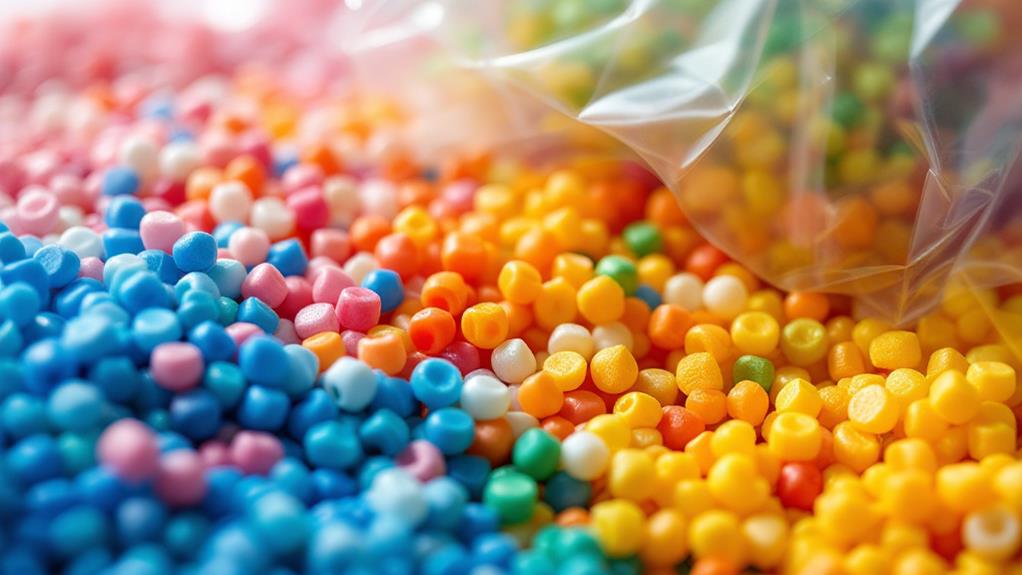
While the basic structure of plastic bags is formed from polyethylene, the expedition doesn't stop there. To improve the functionality and appeal of these bags, manufacturers often incorporate chemical additives and filler materials. Chemical additives play a significant role in modifying the properties of plastic bags. They can increase durability, flexibility, and even resistance to external factors like UV light. Some additives are used to enhance the color and appearance, ensuring the bags look attractive and meet specific branding needs.
Filler materials, on the other hand, help reduce production costs and can alter the physical properties of the plastic. Common fillers include calcium carbonate and talc. These materials can make the bags more rigid or give them a particular texture. By adjusting the ratio of filler materials, manufacturers can create bags that suit different purposes, from heavy-duty applications to lightweight, everyday use.
Understanding these components helps you appreciate the complexities involved in making plastic bags. Each additive and filler is carefully selected to strike a balance between functionality, cost, and environmental impact. So, next time you use a plastic bag, know there's more to it than meets the eye.
Biodegradable Alternatives
In recent years, the shift towards biodegradable alternatives for plastic bags has gained momentum. You're probably wondering what makes these options stand out. Well, biodegradable materials break down naturally over time, reducing waste and pollution. These materials include plant-based polymers like polylactic acid (PLA) and polyhydroxyalkanoates (PHA), which decompose under the right conditions.
Choosing eco-friendly options means you're contributing to a cleaner environment. These alternatives mimic the functionality of traditional plastic bags but have a much smaller environmental footprint. For instance, some bags are made from starch blends, combining renewable resources like corn or potatoes with biodegradable polymers. These blends offer durability while still being compostable.
When you're considering biodegradable options, it's crucial to check for certifications. Look for labels that confirm the bags meet specific composting standards, ensuring they'll break down as intended. Also, be aware that the decomposition process requires certain conditions, like industrial composting facilities, so proper disposal is key.
Environmental Impact
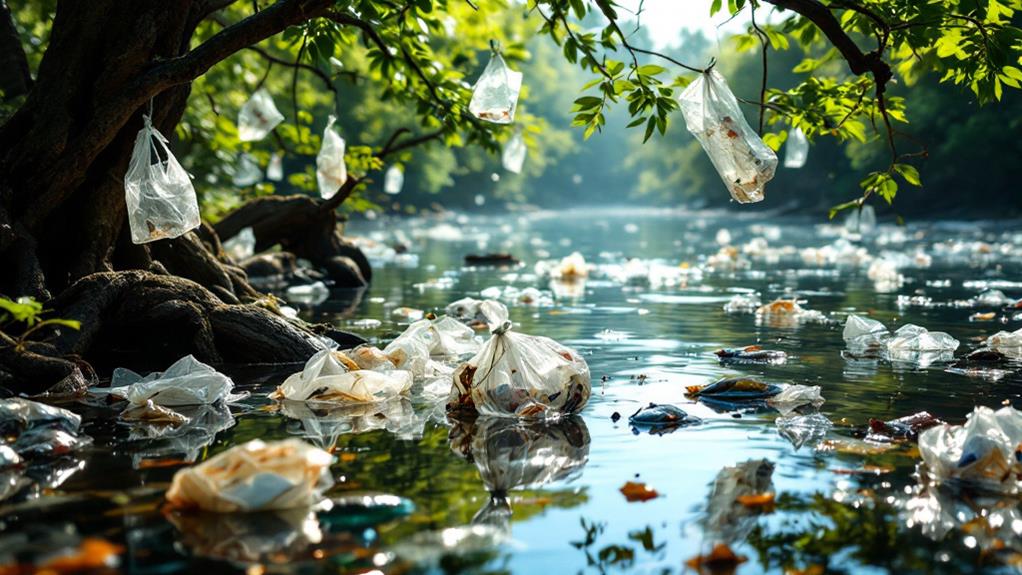
How do plastic bags affect our planet? It's essential to understand that their impact is profound and far-reaching. Plastic bags are made from non-renewable resources like petroleum, which means their production contributes to greenhouse gas emissions. Once discarded, they don't decompose easily, taking hundreds of years to break down. During this time, they can pollute oceans, harm wildlife, and clutter landscapes. Marine animals often mistake plastic bags for food, leading to ingestion and, unfortunately, death.
You can address this issue by adopting sustainable practices. Opting for reusable bags considerably reduces the number of plastic bags entering the environment. Encouraging others to do the same creates a ripple effect, leading to broader positive changes. Governments play an important role too. They can enforce environmental regulations that limit the production and use of plastic bags. Many countries have already implemented bans or taxes on single-use plastics, demonstrating a commitment to reducing environmental harm.
Recycling and Reuse
In the domain of recycling and reusing plastic bags, small changes can make a big difference. You might not realize it, but adopting effective recycling methods and reuse strategies can greatly reduce your environmental footprint. Start by exploring local recycling programs that accept plastic bags. Many grocery stores and recycling centers have designated drop-off points. Proper sorting and cleaning of bags before recycling can improve the process's efficiency and guarantee more plastic is repurposed.
On the reuse front, you have countless opportunities to get creative. Instead of tossing plastic bags after a single use, consider their potential for other purposes. Use them as liners for small trash cans, or transform them into packing material for shipping. Many people even craft them into durable, reusable items like woven baskets or garden mats. By integrating such reuse strategies into your routine, you'll extend the life of each bag and contribute to a more sustainable lifestyle.
Ultimately, your commitment to recycling and reuse can help reduce the demand for new plastic production. Every small step you take contributes to a larger movement towards environmental responsibility. Make the choice today to recycle and reuse.
Future of Plastic Bags

Imagine a world where plastic bags are no longer a burden on the environment. Exciting, right? This vision is possible through sustainable innovations and shifts in consumer behavior. Scientists and engineers are developing biodegradable and compostable alternatives to traditional plastic bags, which break down faster and have less impact on ecosystems. These new materials, often made from plant-based sources, offer a promising future where our shopping habits don't harm the planet.
You're a vital part of this change. By choosing reusable bags and supporting companies that prioritize eco-friendly products, you help drive the demand for better solutions. As consumers become more aware of environmental issues, they influence businesses to adopt greener practices. Your decisions can lead to a significant reduction in the use of single-use plastics.
Governments and organizations worldwide are also playing their part by implementing policies that encourage the use of sustainable materials. From imposing bans on certain types of plastic bags to introducing incentives for sustainable alternatives, these efforts aim to reshape how we view and use plastic bags. Together, these changes can pave the way for a future where plastic bags no longer pose a threat to our environment.