What Is BPA in Plastic and Why Does It Matter?
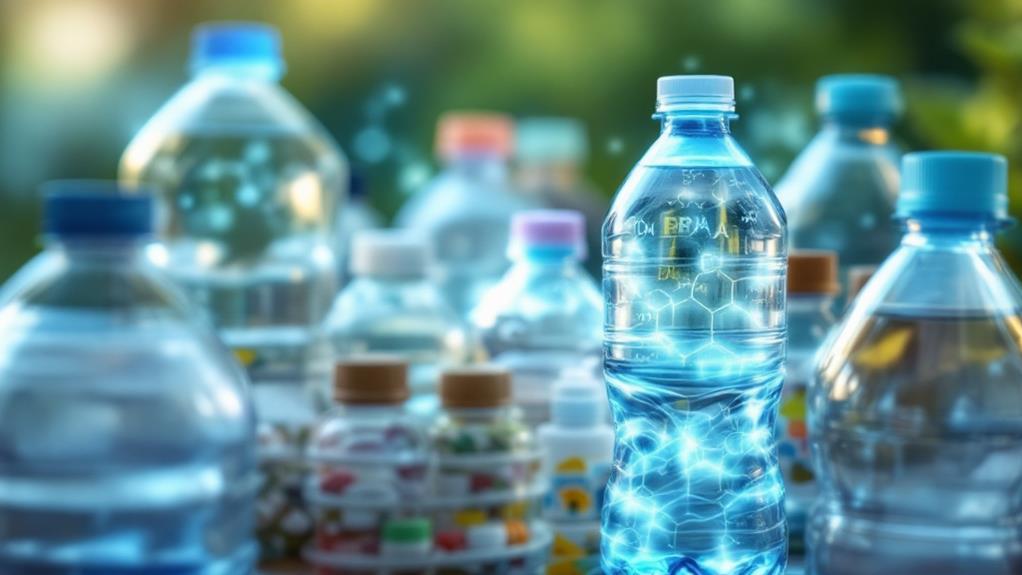
BPA, or Bisphenol A, is a chemical used to make plastics strong and resistant to heat. You'll find it in everyday items like water bottles and food containers, and it can leach from these products especially when they're heated or damaged. BPA matters because it can mimic estrogen, leading to possible hormonal disruptions in your body. It's especially concerning for pregnant women and children due to developmental effects. Furthermore, its environmental impact is significant, leading to contamination and biomagnification. Choosing BPA-free products can reduce your exposure. There's much more to investigate about alternatives and regulations.
Understanding BPA in Plastics
Understanding BPA in Plastics
Bisphenol A, or BPA, is a chemical compound frequently used in the production of plastics and resins, and it's vital to understand BPA properties to grasp why it's so prevalent. BPA is known for its durability and ability to withstand high temperatures, which makes it ideal for manufacturing products that need to be both resilient and versatile. These properties contribute to its widespread use in items like water bottles, food containers, and other everyday plastic goods. Furthermore, just as infants require careful monitoring of their hydration due to potential health risks, it's critical to be aware of how BPA exposure can affect health over time, particularly in vulnerable populations. health risks of water consumption
Now, let's talk about BPA exposure. You might not realize it, but you could be exposed to BPA daily. This exposure primarily occurs through the consumption of food or beverages that have been stored in containers made with BPA. The compound can leach into the food or liquid, especially when the container is heated or damaged. Understanding the potential for BPA exposure is vital, as there are ongoing discussions about its effects on health. While some regulatory bodies consider BPA safe at low levels, others express concerns about its impact, particularly on vulnerable populations like children and pregnant women. Being informed helps you make better choices about the plastics you use.
Common Sources of BPA
You'll find BPA in a surprising number of everyday items. It's prevalent in polycarbonate plastics and epoxy resins. Many food and drink containers, such as water bottles and food storage containers, are made from these materials. When these containers are heated or scratched, BPA can leach into the food or liquid inside, increasing your BPA exposure. The effects of chemical exposure can be significant, as BPA has been linked to numerous health issues. You may not realize it, but even some plastic utensils and plates could be culprits.
Canned goods are another significant source of BPA. The epoxy resin lining inside cans prevents rust and contamination but often contains BPA, which can migrate into the food. Look out for BPA in thermal paper receipts, too. Handling these receipts can lead to BPA exposure through skin contact, as the chemical can easily transfer from paper to skin.
BPA is also present in some dental sealants and composites used by dentists to protect your teeth. Though the amounts are typically small, it's still a source worth noting. Understanding these common sources helps you manage your BPA metabolism, as your body needs to process and eliminate this chemical efficiently. By being informed, you can make better choices about the items you use daily.
Health Concerns Linked to BPA
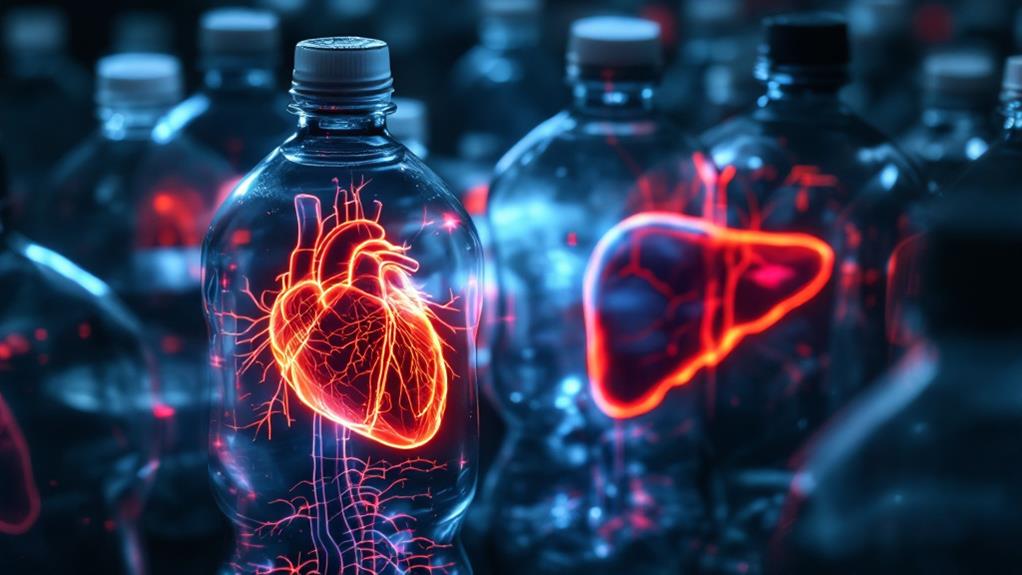
Exposure to BPA from common everyday items isn't just a minor concern; it can lead to serious health issues. When you're exposed to BPA, it can mimic estrogen, causing hormonal disruption within your endocrine system. This disruption can have significant effects on reproductive health, potentially leading to infertility or other reproductive issues. BPA exposure is especially concerning for pregnant women, as it can affect childhood development, potentially leading to behavioral or developmental problems in children.
Public awareness of these health risks has been growing, and it's essential to make informed consumer choices to minimize your risk. For instance, opting for BPA-free products and reducing the use of canned foods can help lessen your exposure. The effects on the endocrine system are far-reaching, influencing everything from metabolism to mood. By understanding these risks, you can take steps to protect yourself and your family.
Choosing alternatives and spreading awareness can empower you and others to make safer choices. The more you know about the potential health impacts of BPA, the better equipped you'll be to navigate the challenges it poses to your health and well-being.
How BPA Affects the Environment
While BPA is often discussed regarding its health impacts, it also poses significant environmental challenges. When plastic products containing BPA break down, they contribute to BPA contamination in soil and water. This contamination can lead to serious environmental impacts, affecting the health of ecosystems and the wildlife that inhabit them. Wildlife exposure to BPA occurs when animals ingest contaminated water or food, potentially causing reproductive and developmental issues.
The disruption extends to the food chain. When small organisms ingest BPA, they can pass it on to predators, leading to a cumulative effect known as biomagnification. This process can harm larger animals and even reach humans, illustrating the far-reaching consequences of BPA contamination.
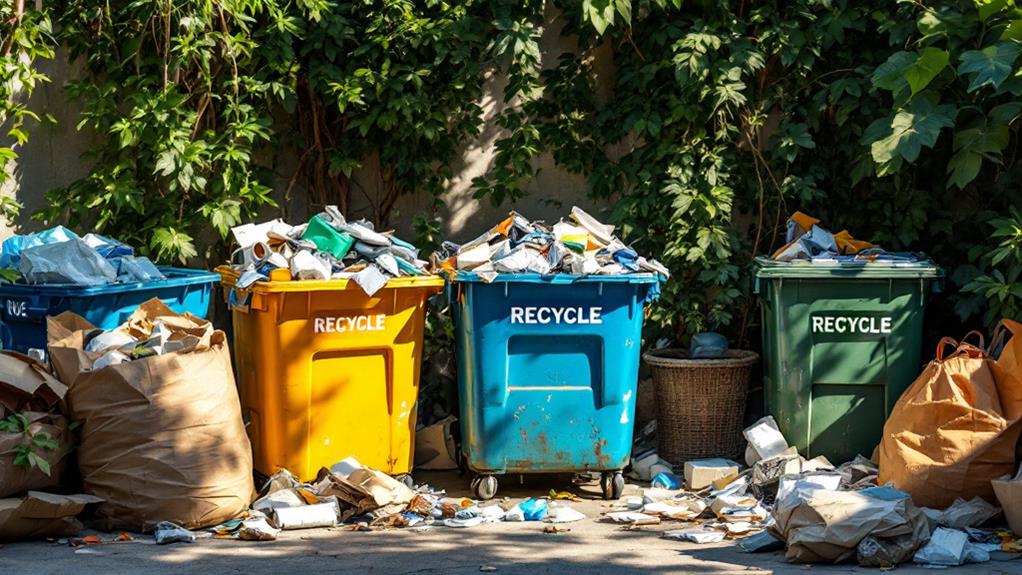
Moreover, plastic pollution exacerbates these issues. As plastics degrade, they release BPA into the environment, creating recycling challenges. Many recycling facilities are not equipped to effectively remove BPA from plastic waste, making it difficult to manage and reduce contamination.
To mitigate these problems, adopting sustainable practices is essential. By reducing plastic use and improving recycling technologies, you can help minimize the environmental impact of BPA, protecting both ecosystems and the species that depend on them.
BPA Regulations and Policies
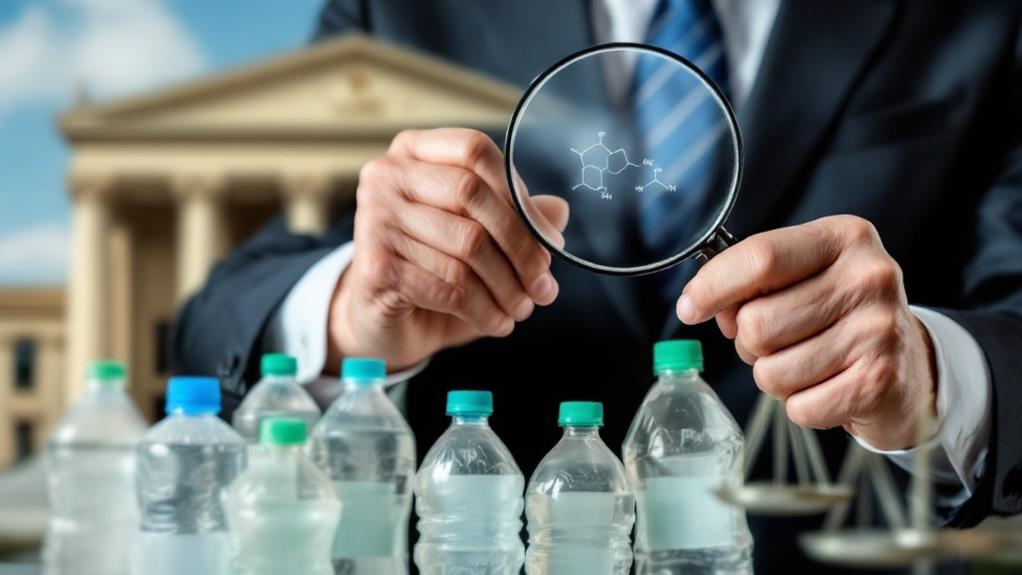
Addressing the environmental challenges posed by BPA requires more than just individual actions; it necessitates thorough regulations and policies. Governments worldwide have recognized the need for BPA legislation to protect both the environment and public health. Regulatory agencies, like the U.S. Food and Drug Administration (FDA) and the European Chemicals Agency (ECHA), play crucial roles in setting standards and enforcing laws concerning BPA usage.
In the United States, the FDA has taken steps to limit BPA in products like baby bottles and sippy cups, responding to concerns about its potential health risks. Meanwhile, the European Union has gone further by classifying BPA as a substance of very high concern, leading to stricter regulations and even bans in certain applications.
You should be aware that these regulations are continually evolving as new scientific research emerges. Staying informed about BPA legislation helps you understand the safety and environmental impact of the plastic products you use daily. It's vital to support policies that prioritize public health and environmental sustainability. By advocating for stronger measures, you contribute to a broader effort to reduce BPA's presence in our world, leading to a healthier planet and population.
Identifying BPA-Free Products
Steering the market for BPA-free products can feel intimidating, but it's crucial for making informed choices about the plastics you use. The primary step is increasing your consumer awareness. By learning more about BPA labeling, you can easily identify which products are free from this chemical. Look for items explicitly marked "BPA-free" on their packaging.
Product certifications also play an important role in identifying safe alternatives. Certifications from reputable organizations, like the USDA or NSF International, provide assurance that the product meets certain safety standards. These certifications give you confidence that the item is a safe alternative to BPA-containing products.
Here's how you can identify BPA-free products:
- Check Labels: Look for "BPA-free" labels on the product packaging. It's a straightforward indication.
- Research Certifications: Verify if the product has certifications from trusted organizations to confirm its safety.
- Material Awareness: Opt for materials like glass, stainless steel, or certain types of BPA-free plastics.
- Stay Informed: Keep up with current research and updates on consumer awareness to make educated decisions.
Exploring BPA Alternatives
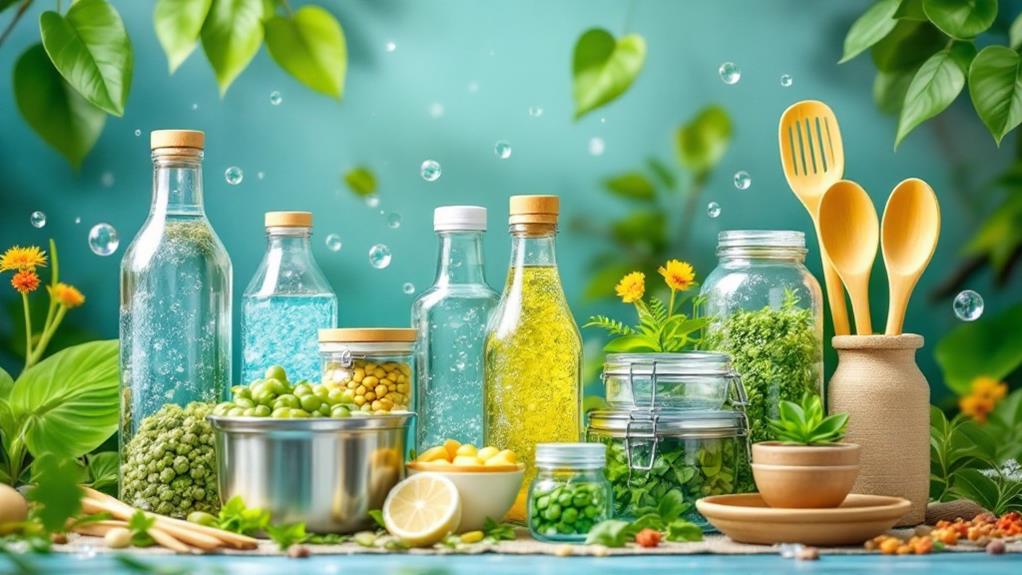
Finding BPA-free products is just the beginning of your expedition towards safer alternatives. You're not only sidestepping BPA but also exploring a world of BPA substitutes that promise both safety and sustainability. Start with sustainable materials like glass, stainless steel, and bamboo, which offer durable and eco-friendly options. These materials don't just avoid BPA; they contribute to a greener footprint, aligning with the principles of green chemistry.
Next, consider organic options. For instance, look for packaging made from plant-based plastics or bioplastics derived from renewable resources. These alternatives break down more easily in the environment and don't leach harmful chemicals into your food or drink.
Innovative packaging solutions are also making waves. Companies are developing new forms of packaging that use less plastic or incorporate recycled materials. As a consumer, your awareness plays an essential role in driving demand for these products. By choosing BPA substitutes and supporting brands committed to green chemistry, you encourage more companies to innovate and prioritize health and the environment.
Ultimately, your choices can influence industry trends, pushing for broader adoption of sustainable and safer BPA alternatives.