What Is Polypropylene Plastic and Where Is It Used?
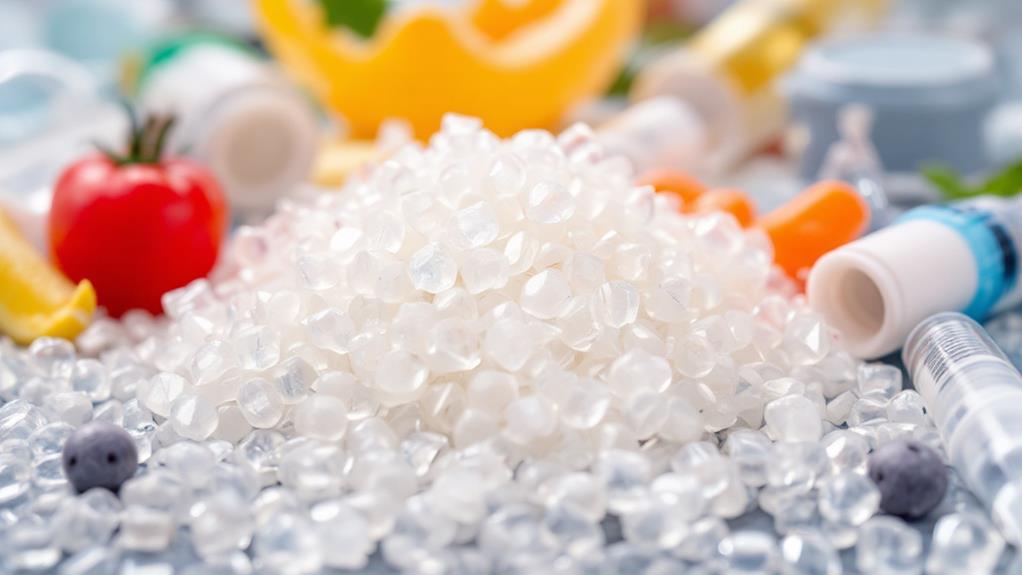
You encounter polypropylene plastic every day. It's a durable, lightweight material that's crucial in numerous industries. You're likely using it without realizing it, as it's commonly found in food containers, automotive parts, and textiles. Its resistance to chemicals and moisture makes it ideal for packaging and household items. In the automotive industry, its lightweight nature helps improve fuel efficiency. Hospitals rely on it for medical devices due to its sterility and bacterial resistance. Even your workout gear might be made from polypropylene fibers. There's more about its adaptable functionality and sustainable benefits waiting to be uncovered.
Understanding Polypropylene Plastic
Understanding polypropylene involves recognizing its significant role in everyday products and the environment. As a consumer, you're likely to encounter it in items like food containers, automotive parts, and textiles. Polypropylene is produced through polymerization, a process that links monomers to create long chains, contributing to its strength and versatility. But what about its impact on the environment? That's where polypropylene recycling comes into play. Recycling polypropylene is essential for reducing waste and conserving resources. It can be recycled multiple times without losing its quality, making it an eco-friendly choice when managed properly.
As you learn more about polypropylene, consider how its history and recycling potential affect your daily life and the planet. By choosing products made from recycled materials, you can contribute to a more sustainable future, embracing polypropylene's benefits while minimizing its environmental footprint.
Properties of Polypropylene
Among the many materials that shape our world, polypropylene stands out due to its remarkable properties. You'll find that its durability is one of its most notable features. Polypropylene is highly resistant to chemical exposure, impact, and general wear and tear, making it an ideal choice for a wide range of applications. Just as silk is valued for its resilience and softness, polypropylene offers exceptional durability that guarantees longevity in different conditions. Regardless of its use in automotive parts, packaging, or textiles, you can rely on polypropylene to withstand demanding conditions without breaking down.
Another notable property is its lightweight nature, which doesn't compromise its strength. This makes it perfect for applications where weight reduction is vital, such as in the automotive and aerospace industries.
Moreover, polypropylene is a champion in terms of recycling, offering an environmentally friendly option in a world working to reduce waste. Its recycling process involves melting and reforming the material, which retains its durability and strength. So, as you choose products made from polypropylene, you're supporting a sustainable cycle that minimizes environmental impact.
Furthermore, polypropylene's excellent resistance to moisture adds to its versatility, allowing it to be used in different weather conditions without degrading. These properties make polypropylene a top contender in the current diverse material landscape.
Types of Polypropylene
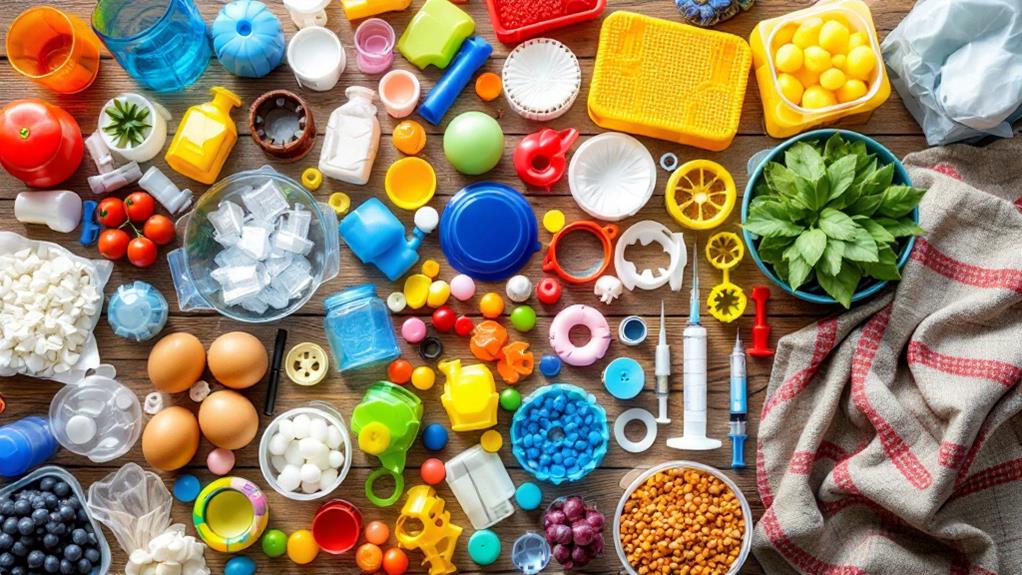
When you engage yourself in the world of polypropylene, you'll quickly uncover that it's not a one-size-fits-all material. There are actually several types, each with unique characteristics and applications. The two main types are homopolymer and copolymer polypropylene. Homopolymer polypropylene is the more common variant, known for its impressive strength and rigidity. It's often used in textiles, packaging, and automotive parts, leveraging its durability to withstand repeated stress and wear.
On the other hand, copolymer polypropylene is further divided into block and random copolymers. Block copolymers offer improved impact resistance, making them ideal for industrial applications like pipes and containers. Random copolymers, softer and more flexible, are perfect for items like food containers and medical components.
With polypropylene recycling, these different types can often be processed together, although separating them can enhance recycling efficiency. This means you can enjoy the benefits of polypropylene durability while also contributing to sustainability. Understanding the types of polypropylene helps you select the right material for your needs, ensuring that each application harnesses the best qualities of this versatile plastic. Remember, knowing your polypropylene type is key to maximizing its potential.
Advantages of Using PP
With its versatility and cost-effectiveness, polypropylene (PP) stands out as a preferred choice across numerous industries. You'll find that PP offers several advantages that make it an ideal material for your needs. Initially, PP is known for its durability and resistance to fatigue, meaning it can withstand repeated use without wearing out. This makes it perfect for applications where longevity is vital.
PP's recyclability is another significant plus. The recycling methods for PP are well-established, allowing it to be reused in different applications, reducing waste, and promoting sustainability. You can feel confident knowing that using PP supports environmentally friendly practices.
Safety concerns are minimal with PP, as it's resistant to most chemical solvents, acids, and bases. This resistance guarantees that PP products remain safe and stable under a wide range of conditions, making them suitable for various applications.
To summarize, here are some key advantages of using PP:
- Durable and fatigue-resistant: Ideal for long-lasting applications.
- Recyclable: Promotes sustainability through established recycling methods.
- Minimal safety concerns: Chemically resistant for safe use.
- Cost-effective: Offers excellent value for its price.
Choosing PP means opting for a reliable, eco-friendly, and economical solution.
Polypropylene in Packaging
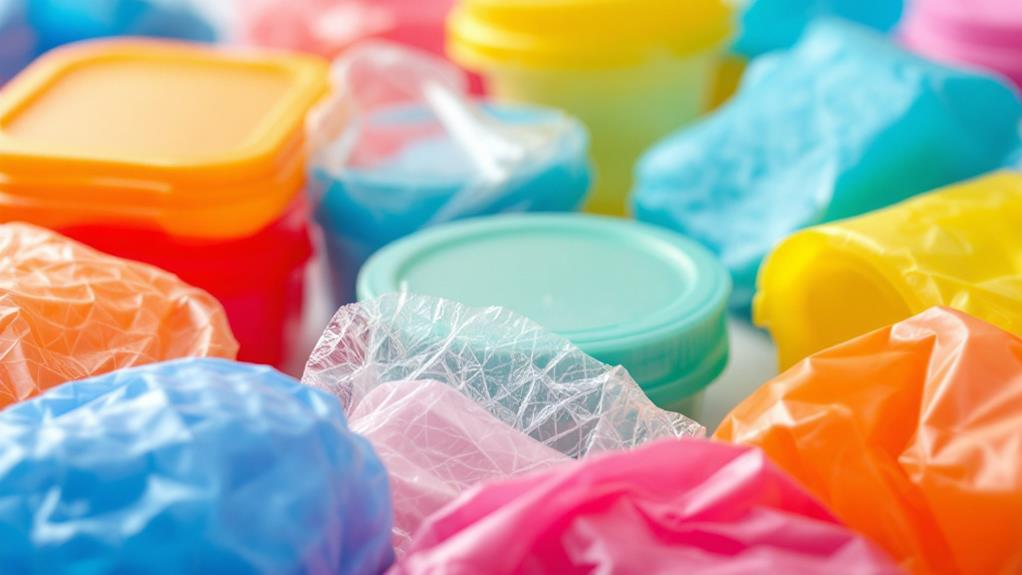
Polypropylene (PP) shines in the packaging industry for its impressive combination of strength, flexibility, and lightweight properties. When you're choosing materials for packaging, PP stands out as a versatile option that can handle different demands. Its durability guarantees that your products are well-protected, while its flexibility makes it ideal for creating various shapes and sizes, from bottles to flexible films. Furthermore, its lightweight nature helps in reducing transportation costs, making it an economically smart choice.
Incorporating sustainability practices is essential in the present world, and PP contributes positively to this effort. It's a recyclable material, which means you can reduce environmental impact by implementing effective recycling methods. By doing so, you not only extend the lifecycle of PP products but also support a circular economy. Many industries are now prioritizing PP because it aligns with green initiatives, allowing you to meet consumer demands for eco-friendly packaging.
Moreover, PP packaging is resistant to moisture, chemicals, and fatigue, guaranteeing that your products remain safe and intact during transit and storage. By choosing polypropylene, you're opting for a material that balances performance with environmental responsibility, making it a smart choice for contemporary packaging needs.
Household Applications
You'll find polypropylene (PP) all around your home, as it's a go-to material for a wide range of household applications. Its durability and versatility make it perfect for everyday items. In the kitchen, PP shines in food containers and kitchen containers, keeping your snacks fresh and your leftovers secure. You'll also notice its presence in cleaning products, where it's used to make durable bottles and sprayers that withstand frequent handling.
PP is a staple in organization, too. You might use it for storage bins that neatly stow away clothes, toys, or other household items. Its lightweight yet sturdy nature guarantees that your belongings stay safe and organized. Furthermore, PP is often found in furniture components, contributing strength and stability to different pieces around your home.
Here's how PP is used in household items:
- Food containers: Ideal for storing leftovers and meal prepping.
- Storage bins: Keeps your home tidy with easy-to-organize solutions.
- Furniture components: Provides support and durability.
- Reusable bags: Eco-friendly options for shopping and daily use.
Whether it's insulation materials or disposable items, polypropylene's versatility improves the functionality and sustainability of your home necessities.
Automotive Industry Uses

In the automotive industry, polypropylene plays a pivotal role in enhancing vehicle performance and efficiency. You'll find this versatile plastic in numerous automotive components, from bumpers to dashboards. Its lightweight nature helps improve fuel efficiency by reducing the total weight of vehicles. Polypropylene also offers excellent impact resistance, making it a reliable choice for parts that need to withstand stress and minor collisions.
When it comes to manufacturing processes, polypropylene is a favorite due to its easy moldability and cost-effectiveness. This plastic can be molded into intricate shapes, allowing for more groundbreaking designs and efficient production cycles. You'll appreciate how it enables manufacturers to produce high-quality components without breaking the bank. Plus, its durability means parts don't need frequent replacements, saving you money in the long run.
Polypropylene's chemical resistance is another reason it's a popular choice in automotive applications. It can withstand exposure to numerous chemicals, oils, and greases commonly found in vehicles. This resistance guarantees that the automotive components maintain their integrity and function over time. Fundamentally, polypropylene is a critical material in creating safer, more efficient, and cost-effective vehicles for you to drive.
Medical and Healthcare Uses
Polypropylene's versatility shines in the medical and healthcare fields, where it's used for a wide range of applications due to its unique properties. It's lightweight, resistant to chemicals, and can be sterilized easily, making it an ideal choice for both surgical applications and medical devices. You'll find polypropylene used in everything from disposable syringes to surgical trays. Its ability to withstand heat and chemical sterilization guarantees that medical tools remain safe and effective during critical procedures.
Consider these key uses of polypropylene in the medical sector:
- Surgical Instruments: Instruments like trays and forceps often utilize polypropylene due to its durability and ease of sterilization.
- Prosthetics: The material is perfect for prosthetic devices because it's strong yet lightweight, offering comfort and functionality.
- Medical Packaging: With its moisture and bacteria-resistant properties, polypropylene is used for packaging sterile medical supplies.
- Containers for Samples: Labs depend on polypropylene containers that won't interact with stored samples, guaranteeing accurate testing.
In surgical applications, polypropylene's resistance to bacteria and ease of cleaning are paramount. Medical devices benefit from its robustness and flexibility. So, regardless of your involvement in surgery or lab work, polypropylene proves to be indispensable in maintaining health standards and enhancing patient care.
Use in Textiles
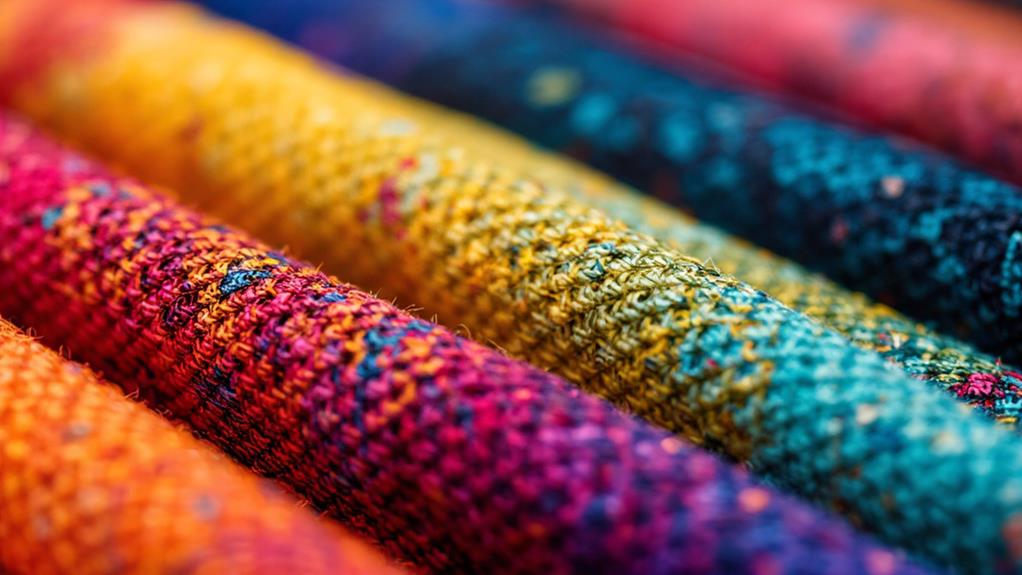
In regard to textiles, polypropylene steps up as a game-changer with its unique blend of properties. You'll find that polypropylene fibers are lightweight, strong, and resistant to chemicals, making them ideal for different textile applications. These fibers don't absorb moisture, which means they dry quickly and don't get heavy when wet. This makes them perfect for athletic and outdoor apparel, where staying dry and comfortable is essential.
Polypropylene's resilience also contributes to its widespread use in home textiles. You'll see it in carpets, upholstery, and even nonwoven fabrics like those used in furniture or vehicle interiors. Its ability to resist stains and mildew guarantees that these textiles maintain their appearance and structural integrity over time. Plus, cleaning them is a breeze, adding to their convenience.
Another major advantage is polypropylene's cost-effectiveness. If you're looking for affordable yet durable textiles, polypropylene is a top contender. It provides a budget-friendly alternative without compromising on quality. This makes it a popular choice for manufacturers aiming to combine performance with affordability.
Polypropylene in Environmental Solutions
A surprising ally in the quest for sustainability, polypropylene plays a significant role in environmental solutions. It's not just a versatile plastic; it's part of a bigger movement toward a greener planet. You might wonder how a plastic can contribute to environmental efforts. The answer lies in its adaptability and the groundbreaking approaches surrounding it.
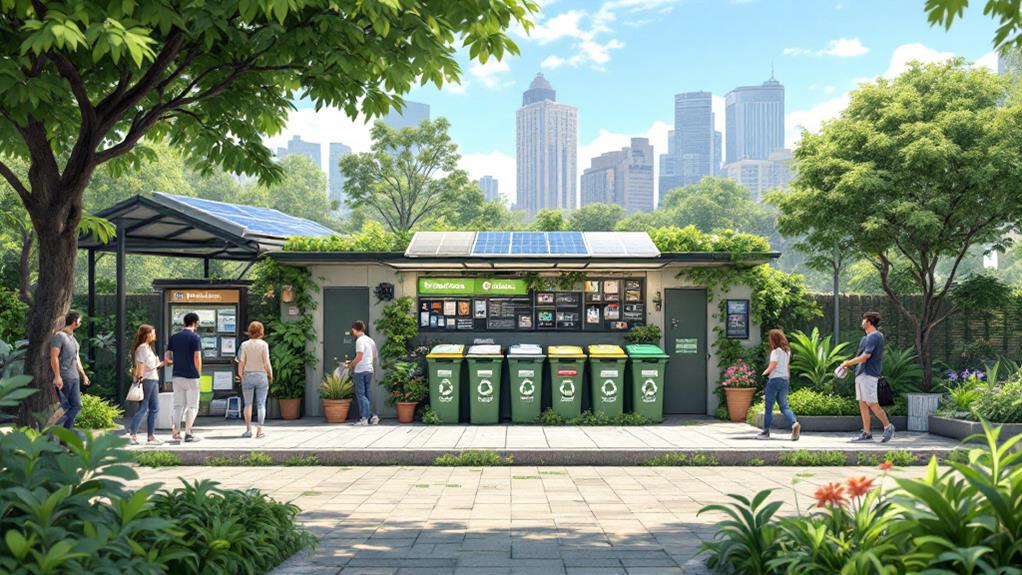
Polypropylene is actively incorporated into recycling initiatives, making it easier for communities to reduce waste. Its ability to be recycled multiple times without losing quality makes it a preferred choice. Additionally, researchers are developing biodegradable alternatives to traditional polypropylene. These alternatives maintain the benefits of conventional material while offering improved decomposition rates, reducing environmental impact.
Consider these ways polypropylene contributes to sustainability:
- Recycling-friendly: You can recycle it easily, promoting a circular economy.
- Lightweight: Its low density reduces transportation emissions.
- Energy-efficient manufacturing: Producing polypropylene consumes less energy compared to other plastics.
- Resistance to chemical leaching: It minimizes environmental contamination when used responsibly.