
What Is Thermocol? Uses and Benefits Explained

You've probably encountered thermocol, the lightweight and strong material officially known as expanded polystyrene (EPS). It excels in providing thermal insulation and shock absorption, making it ideal for packaging and construction. Its ease of handling and customization lends itself beautifully to artistic and crafting projects. However, despite these benefits, thermocol's non-biodegradable nature poses significant environmental challenges. Recycling efforts and biodegradable alternatives are gradually emerging. As industry and consumer demand shift towards sustainability, innovations in the production and disposal of thermocol hold promise for a more environmentally friendly future. Uncover how these changes might impact everyday uses.
Understanding Thermocol
Thermocol, also known as expanded polystyrene (EPS), is a adaptable material you'll encounter in numerous applications, from packaging to construction. Its history dates back to 1839 when Eduard Simon found polystyrene. However, it wasn't until the 1940s that the expanded version, thermocol, emerged commercially. It's lightweight yet strong, providing excellent thermal insulation and shock absorption, similar to how yeast fermentation creates air pockets in bread. These properties make it ideal for protecting goods during transit and improving energy efficiency in buildings.
As you investigate thermocol's utility, you might wonder about its environmental impact. Concerns over its non-biodegradable nature have led to the development of thermocol alternatives. Manufacturers are increasingly turning to biodegradable options like cornstarch-based foams and mushroom packaging. These alternatives aim to reduce the ecological footprint while maintaining the functionality that thermocol provides.
In making informed choices, you should weigh thermocol's benefits against its environmental implications. While it offers undeniable advantages in different industries, the push for sustainable alternatives continues to grow. By understanding thermocol's history and examining eco-friendly options, you can contribute to a more sustainable future without compromising on the quality and efficiency needed in everyday applications.
Composition of Thermocol
To understand what makes thermocol so versatile, let's look at its composition. Thermocol, commonly known as expanded polystyrene (EPS), is made from monomers of styrene, a liquid hydrocarbon. When styrene is polymerized, it forms a lightweight, rigid foam that we've come to know as thermocol. This structure is what gives thermocol its insulating properties and ability to absorb impact, making it ideal for packaging, construction, and crafting. In addition, the mechanical properties of materials like thermocol can be compared to those of different adhesives, such as polyurethane glue, which also provides strong bonding capabilities.
There are several thermocol types, each with unique properties. For instance, standard EPS is known for its excellent thermal insulation, while extruded polystyrene (XPS) offers higher density and moisture resistance, often used for more demanding applications like building insulation panels.
However, it's significant to contemplate thermocol alternatives, especially given environmental concerns. Materials like biodegradable packaging made from cornstarch or recycled paper are gaining popularity as eco-friendly options. While these alternatives might not always match thermocol's performance in insulation or durability, they help reduce plastic waste and carbon footprint.
Production Process
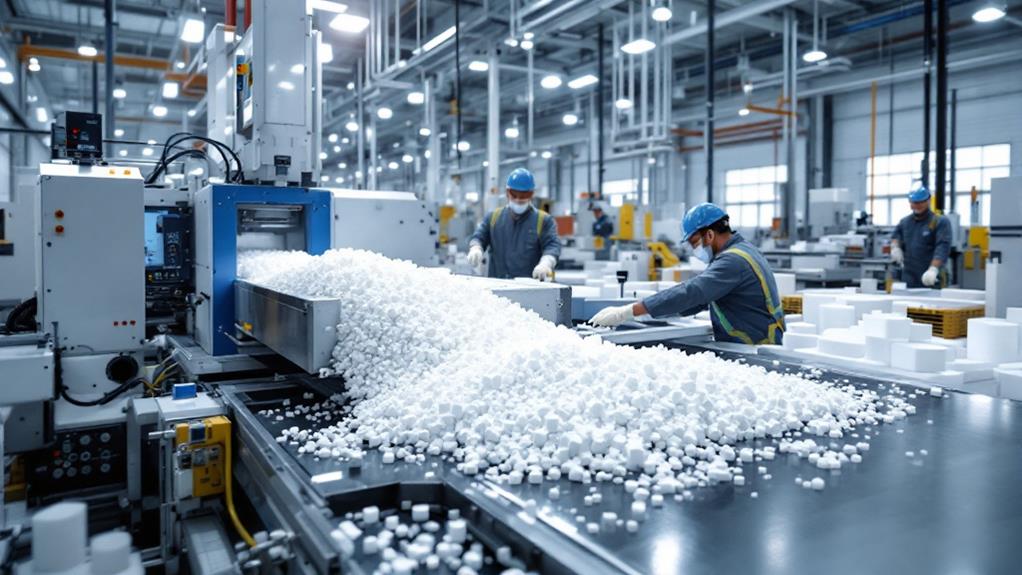
Ever wondered how thermocol is made? The production process, quite fascinating, involves transforming raw materials into the lightweight material you're familiar with. Thermocol manufacturing starts with small polystyrene beads. These beads undergo a process called polymerization, where they are expanded using steam. This expansion causes the beads to increase in size, forming a foam structure.
Once expanded, the beads are molded into the desired shapes and sizes. Here's a simplified breakdown:
- Pre-expansion: The beads are heated, causing them to expand up to 40 times their original size.
- Molding: Expanded beads are placed into molds and subjected to more steam, fusing them together.
- Cooling and Cutting: The molded thermocol is cooled and then cut into sheets or blocks.
The entire process is efficient, but what about the environment? Thermocol recycling comes into play here. Recycling involves breaking down used thermocol products back into polystyrene beads. This not only reduces waste but also conserves resources, as these beads can be reused in the manufacturing process.
Understanding thermocol's production and recycling is essential for appreciating this adaptable material's role in a variety of industries.
Packaging Applications
Recognized for its lightweight and insulating properties, thermocol is widely used in packaging applications to protect and cushion a variety of products. You'll often find this material used when shipping fragile items like electronics, appliances, and glassware. Its structure provides excellent protective cushioning, guaranteeing that your products arrive safely at their destination. With its ability to absorb shocks and vibrations, thermocol minimizes the risk of damage during transit.
As a lightweight material, thermocol reduces the total weight of packaged goods. This can help lower shipping costs, making it a cost-effective choice for businesses and consumers alike. When you use thermocol, you're also dealing with a material that's easy to handle and cut to size, allowing for custom-fit packaging solutions tailored to specific items.
Additionally, thermocol is moisture-resistant, which means it helps protect products from water damage during storage or transport. It's also recyclable, offering an environmentally friendly option for packaging needs. By choosing thermocol, you're opting for a versatile and reliable solution that guarantees your products stay safe and secure. So, regardless of whether you're packing delicate items or bulky equipment, thermocol will meet your packaging needs effectively and efficiently.
Construction Uses

While thermocol excels in packaging, its adaptability extends to the construction industry as well. You'll find it's a fantastic choice for numerous construction applications due to its unique properties. Thermocol provides excellent thermal insulation, which helps maintain indoor temperatures and reduces energy costs. It's also highly valued for its moisture resistance, preventing damage from damp conditions.
In construction, thermocol offers three main benefits:
- Thermal Insulation: Its ability to retain heat makes it perfect for insulating walls, roofs, and floors, ensuring energy efficiency and comfort.
- Structural Support: As lightweight materials, thermocol blocks or panels reduce the load on structures without compromising integrity, making them ideal for groundbreaking architectural designs.
- Soundproofing Solutions: Thermocol effectively absorbs and dampens sound, enhancing acoustic comfort in residential or commercial spaces.
Moreover, thermocol's cost efficiency makes it an attractive option for budget-conscious projects. With thermocol, you can achieve substantial savings, especially when compared to traditional building materials. Its ease of installation further reduces labor costs, allowing you to streamline your construction process. By incorporating thermocol into your building plans, you can craft energy-efficient, durable, and comfortable environments.
Artistic and Craft Uses
Exploring the artistic and craft uses of thermocol reveals its versatility and creativity-enhancing potential. If you're looking to immerse yourself in decorative projects, thermocol is a fantastic choice because it's lightweight and easy to shape. You can cut, carve, and paint it to create stunning pieces that enhance any space. Regardless of whether you're crafting a centerpiece or designing intricate sculptures, thermocol serves as a blank canvas for your imagination.
In addition to decorative projects, thermocol is excellent for modeling materials. It's particularly popular in architectural models due to its ease of manipulation and cost-effectiveness. You can create precise shapes and structures, perfect for educational or professional presentations. Its ability to mimic more expensive materials makes it a practical option for hobbyists and professionals alike.
Working with thermocol doesn't require specialized tools—simple cutters and paintbrushes do the trick. This accessibility means you can start crafting with minimal investment. Plus, because thermocol is widely available, you won't have trouble finding supplies. Whether you're a seasoned artist or a beginner, thermocol offers endless possibilities to bring your creative visions to life. With it, you can transform ordinary ideas into extraordinary creations.
Insulation Properties
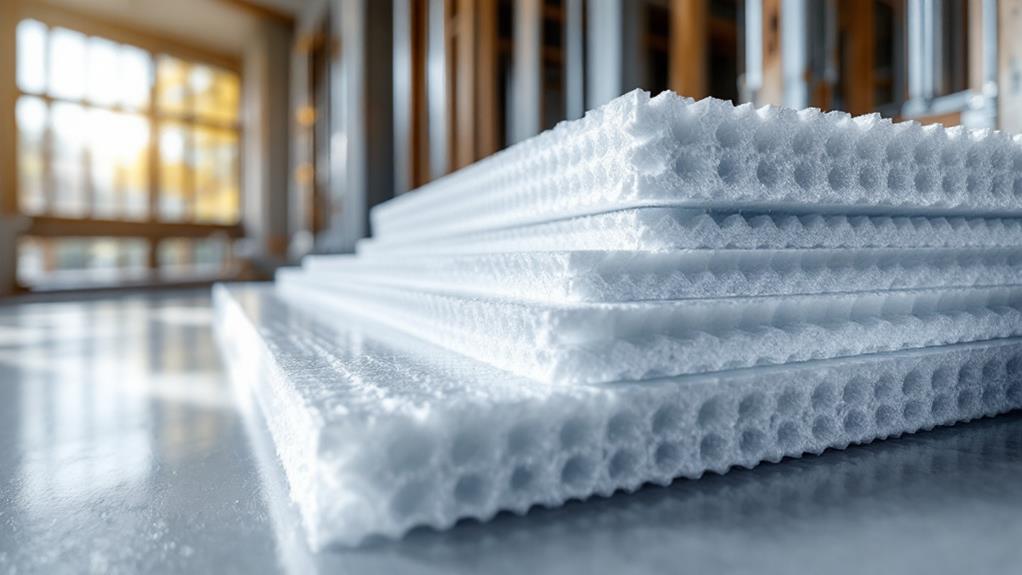
Regarding insulation properties, thermocol stands out as an effective and reliable material. You're probably aware of its widespread use in construction and packaging, but its thermal efficiency is truly remarkable. Thermocol, or expanded polystyrene (EPS), provides excellent insulation by trapping air in its cellular structure, thereby minimizing heat transfer. This makes it ideal for maintaining desired temperatures in buildings, regardless of whether you're trying to keep the heat in or out.
To better understand its advantages, consider these points:
- Thermal Efficiency: Thermocol reduces the need for supplementary heating or cooling systems, cutting down on energy costs.
- Soundproofing Capabilities: Its dense structure absorbs sound waves, making it a great choice for noise reduction in homes and offices.
- Lightweight and Durable: Despite its feather-like weight, thermocol remains robust and long-lasting, making installation easier and cost-effective.
Soundproofing capabilities further improve its appeal, as thermocol effectively dampens noise, providing a quieter indoor environment. This dual functionality is particularly beneficial in urban settings where noise pollution is a concern. By choosing thermocol, you're investing in a material that not only boosts energy efficiency but also contributes to a peaceful living space.
Environmental Considerations
Now that you're familiar with thermocol's insulation properties, it's vital to address its environmental considerations. Thermocol, or expanded polystyrene (EPS), poses considerable environmental impact due to its non-biodegradable nature. It contributes to pollution concerns, as improper disposal can lead to large amounts of waste accumulating in landfills and oceans, harming marine life.
To mitigate these issues, you can investigate recycling methods. While thermocol isn't the easiest material to recycle, some facilities do process it, transforming waste into new products. It's important to locate and utilize these recycling centers to reduce the material's environmental footprint. Moreover, consider using biodegradable alternatives, like biodegradable foam or starch-based packaging, which break down more easily and lessen pollution.
Incorporating sustainability practices is another way to manage thermocol's environmental impact. Opt for products with minimal packaging or support companies focusing on sustainable development. Effective waste management can appreciably reduce the negative effects associated with thermocol. By taking proactive steps, you help guarantee thermocol's use is as environmentally responsible as possible, minimizing its footprint and promoting a healthier planet for future generations.
Benefits in Industry
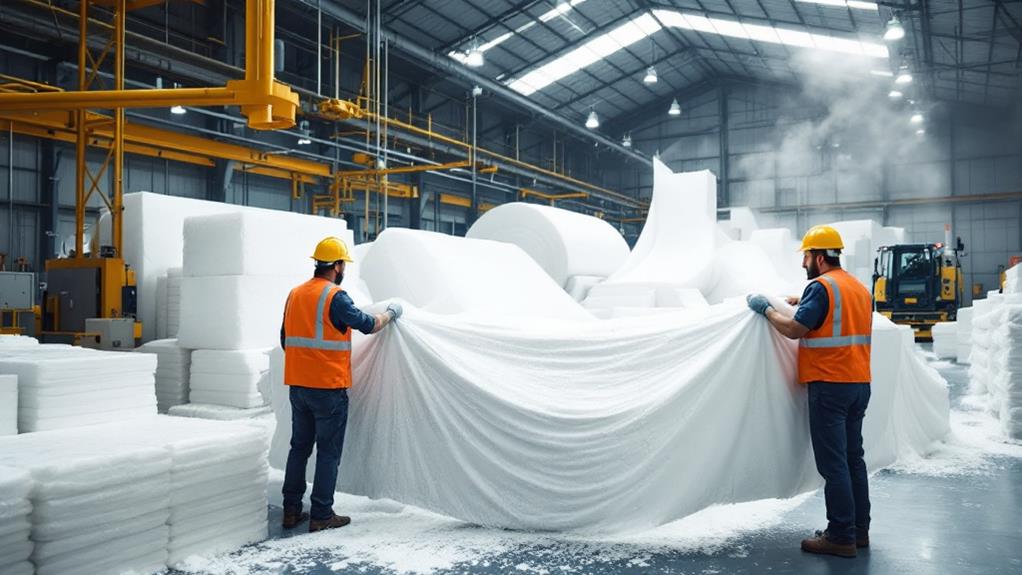
Industries across the globe benefit greatly from using thermocol due to its adaptable properties. You'll find it playing an essential role in packaging, construction, and even electronics. One significant advantage is its exceptional insulating ability, making it ideal for temperature-sensitive goods. Regardless of transporting pharmaceuticals or food products, thermocol guarantees everything arrives in peak condition.
When conducting a durability assessment, thermocol stands out for its impressive strength-to-weight ratio. It's lightweight yet robust, withstanding different pressures without compromising the integrity of the items it protects. This makes it a preferred choice in many sectors where both strength and lightness are vital.
Cost effectiveness is another reason industries choose thermocol. It's relatively inexpensive to produce and can be easily molded to fit specific needs, reducing waste and keeping expenses low. For businesses aiming to optimize their budget without sacrificing quality, thermocol is an excellent option.
Consider these top benefits of thermocol in industry:
- Insulation: Maintains temperature control during transport.
- Durability: Strong yet lightweight, improving product protection.
- Affordability: Cost-effective production and customization options.
Incorporating thermocol into your operations could boost efficiency and reduce costs, aligning with your business goals.
Future of Thermocol
As society becomes more environmentally conscious, the future of thermocol hinges on sustainable innovation. You're likely aware that traditional thermocol, made from polystyrene, poses environmental challenges due to its non-biodegradable nature. The good news is that companies are actively seeking sustainable alternatives. These alternatives include biodegradable options made from organic materials like corn starch and mushroom roots, which break down naturally and reduce environmental impact.
You might wonder how thermocol fits into the recycling narrative. Recycling methods for thermocol are evolving, though they still face hurdles. Currently, recycling thermocol involves compressing it into dense blocks that can be reused in manufacturing processes. However, this isn't widely implemented due to cost and infrastructure limitations. As technology progresses, more efficient and accessible recycling methods are expected to emerge, making it easier to repurpose thermocol waste.
In your role as a consumer, you can drive change by supporting businesses that use sustainable alternatives and by advocating for improved recycling options. Your choices can influence the market, encouraging companies to innovate and reduce the ecological footprint of thermocol. Together, these efforts will shape a more sustainable future for thermocol's use in everyday life.