Which Bin Does Thermocol Go In? Your Guide to Disposal
When disposing of thermocol, or expanded polystyrene (EPS), it's best not to toss it in the regular recycling bin because many facilities don't accept it. Start by checking with your local waste management authority for specific guidelines, as thermocol recycling options can vary widely. Some communities have drop-off centers specifically for EPS, or you might find facilities through resources like Earth911. Separating thermocol from other recyclables is crucial to avoid contamination. You can also get creative with repurposing or investigate sustainable packaging alternatives. For more practical advice and ideas, this guide's got you covered.
Understanding Thermocol Properties
Thermocol, often known as expanded polystyrene (EPS), is a lightweight material that's used in a range of applications due to its excellent insulating properties and shock absorption capabilities. You might not realize it, but thermocol's unique composition is what makes it so adaptable. It's made from tiny beads of polystyrene that are expanded and fused together. This structure allows thermocol to be incredibly light yet surprisingly strong, making it perfect for a multitude of uses. Moreover, its cost-effective solution for maintaining food quality during transport contributes to its widespread use in the food packaging industry.
In everyday life, you'll find thermocol in numerous applications. It's commonly used for packaging delicate items, ensuring they reach their destination without damage. Furthermore, thermocol serves as an effective thermal insulator, which is why you often see it in building construction to help regulate temperature. Its lightweight nature also makes it ideal for crafting and model-making, providing a sturdy yet easily manipulated material.
Understanding the composition and applications of thermocol is essential in making informed decisions about its use and disposal. By recognizing its properties, you can better appreciate its role in different industries and everyday scenarios, ensuring you're using it effectively and responsibly.
Local Recycling Guidelines
In relation to disposing of expanded polystyrene, understanding your local recycling guidelines is vital. Different areas have varying local regulations regarding thermocol, so it's imperative to know what's expected in your community. Start by checking with your local waste management authority; they'll provide details on how thermocol should be handled. Some regions may have strict rules, while others might not accept it in standard recycling bins at all. It's noteworthy that just like how oceans are classified into different categories, recycling practices can also vary widely by location, including considerations like ocean classification.
Not all recycling facilities process expanded polystyrene due to its lightweight nature and the cost of transportation versus the material's value. You should locate nearby recycling facilities that specifically handle thermocol. Often, these facilities require you to drop off the material yourself. Some might even have designated days or events for collecting such items. Keep an eye out for local recycling drives, which can be an excellent opportunity to dispose of thermocol responsibly.
You can also use online resources to identify recycling facilities that accept expanded polystyrene. Websites like Earth911 can help you find locations by simply entering your zip code. By following these steps, you'll guarantee that you're adhering to local regulations and doing your part for the environment.
Alternatives to Throwing Away

When faced with the challenge of disposing of thermocol, consider turning to creative alternatives instead of simply throwing it away. One effective method is to seek out biodegradable alternatives. These are often made from natural sources like cornstarch, mushrooms, or even seaweed, which can break down more easily in the environment. By choosing these materials, you're not just reducing waste but also promoting sustainability. It's a proactive step that benefits both you and the planet.
Another option is to investigate compostable materials. Unlike traditional thermocol, which can take hundreds of years to decompose, compostable options can return to the earth much quicker. These materials are designed to decompose in a composting environment, turning into nutrient-rich soil. By using them, you'll be contributing to the health of your garden or community composting efforts, all while keeping harmful plastics out of landfills.
Lastly, check out local stores or online retailers that offer eco-friendly packaging solutions. They often provide groundbreaking products that serve the same purpose as thermocol but with a much smaller environmental footprint. By making these conscious choices, you're playing a crucial role in creating a more sustainable future.
Creative Reuse Ideas
After exploring eco-friendly alternatives, it's time to get creative with the thermocol you already have. Instead of tossing it away, consider transforming it into fun and functional craft projects. You can cut thermocol into different shapes to create model buildings or sculptures. Use paint or markers to add color and detail, turning what was once waste into art pieces or school projects. Children can engage in these activities too, making learning both educational and eco-conscious.
Thermocol isn't just for crafts; it also provides excellent insulation solutions. If you're looking to insulate a small space, such as a pet house or a shed, thermocol sheets can be layered to retain heat effectively. Simply cut the sheets to fit your desired area and secure them in place. This method not only repurposes the material but also helps save energy.
For those with a green thumb, thermocol is ideal for lightweight planters. Cut pieces to form a box, line it with a waterproof material, and fill it with soil. You've got a planter that's easy to move and recycle at the same time. Get creative, and you'll find thermocol has endless possibilities.
Environmental Impact of Thermocol
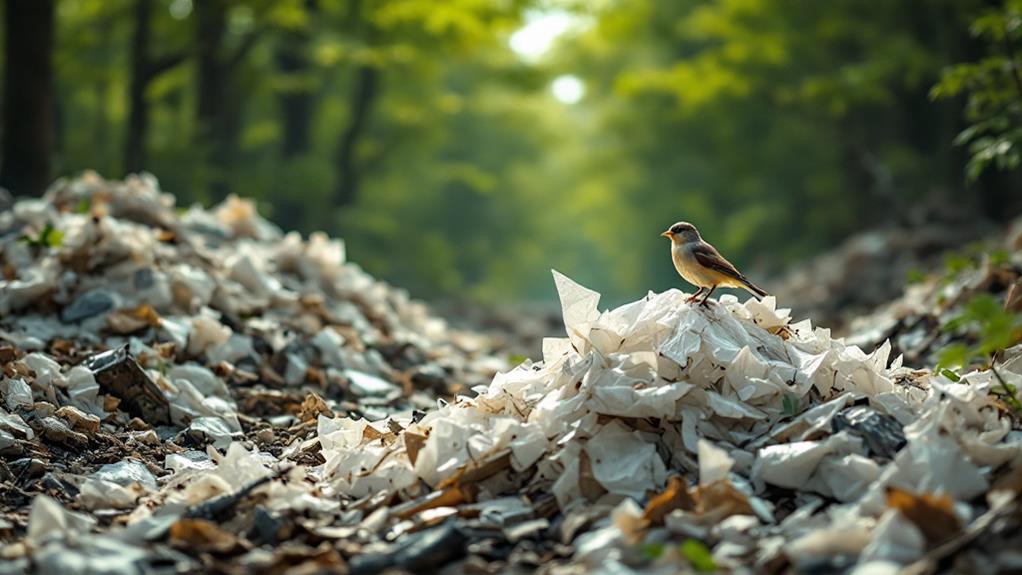
Despite its versatility, thermocol poses considerable environmental challenges. As a material often used in packaging and insulation, it contributes to thermocol pollution when not disposed of properly. You might notice it littering beaches, streets, and waterways, where it becomes an eyesore and a threat to wildlife. Animals often mistake small pieces of thermocol for food, leading to ingestion that can cause harm or even death.
One of the major issues with thermocol is its biodegradability concerns. It doesn't break down easily, taking hundreds of years to decompose. During this long period, it can leach harmful chemicals into the soil and water, further damaging ecosystems. This persistence means that once thermocol enters the environment, it remains there for generations, continuously contributing to pollution.
Moreover, thermocol production itself is not eco-friendly. It involves the use of non-renewable resources and emits greenhouse gases, contributing to climate change. The entire lifecycle of thermocol, from production to disposal, poses considerable environmental threats. As someone concerned about the environment, understanding these impacts can help guide your choices and encourage more sustainable practices. Reducing reliance on thermocol can considerably alleviate its harmful environmental footprint.
Tips for Reducing Thermocol Use
Have you ever thought about the impact your packaging choices have on the planet? Thermocol, commonly used for packaging, is not biodegradable and can harm the environment. Reducing its use can make a significant difference. Start by opting for eco-friendly materials. Look for products packaged in recycled cardboard or biodegradable materials instead of thermocol. These alternatives break down more easily and have a smaller environmental footprint.
Consider using sustainable packaging when sending parcels. There are plenty of companies offering creative options, such as mushroom-based packaging or cornstarch peanuts, which provide the same protective qualities as thermocol without the environmental harm. They're great for businesses looking to adopt greener practices.
When shopping, bring your own reusable bags and containers. This simple switch helps reduce the need for thermocol packaging. Choose products with minimal or no packaging, and support brands committed to sustainability.