How Long Does Thermocol Take to Decompose?
You're faced with a staggering reality: thermocol takes around 500 years to decompose. It doesn't biodegrade, which means it just sits in landfills and clogs waterways, creating environmental headaches. Light, heat, and moisture can slowly break it down, but the lack of oxygen in landfills really slows the process. Thermocol's impact on wildlife is severe, often leading to harm or death when ingested by animals. Despite these challenges, there's hope through recycling efforts and creative biodegradable alternatives. Delve deeper into how these solutions make a difference and investigate ways to mitigate thermocol's environmental impact.
Understanding Thermocol Composition
Understanding its composition helps you recognize the unique thermocol properties that make it both useful and challenging. It's lightweight yet strong, providing excellent insulation and shock absorption. This is why you often see thermocol used for packaging delicate items, ensuring they reach their destination intact. The manufacturing process of thermocol involves the expansion of polystyrene beads, resulting in a material that consists of 95% air and only 5% polystyrene, contributing to its remarkable properties its lightweight nature.
The versatility of thermocol applications is impressive. You might have come across it in your everyday life without even realizing it. It's commonly used in disposable coffee cups, coolers, and as insulation material in buildings. Its ability to resist moisture makes it particularly useful for food packaging, preventing spoilage and maintaining freshness. Additionally, thermocol's buoyancy is an asset in marine applications, such as life vests and flotation devices.
However, while thermocol's properties make it highly functional, it is crucial to note its resistance to decomposition. This resistance is both a strength in its applications and a challenge when considering its disposal, which leads to broader environmental discussions.
Environmental Impact of Thermocol
Given thermocol's impressive versatility and durability, it is crucial to evaluate the environmental impact of this widely-used material. You might not realize it, but thermocol pollution is a growing concern. This substance, often used in packaging and insulation, doesn't break down easily, leading to significant environmental issues. Plastics, including thermocol, contribute to municipal waste, with over 14 million tons reported in 2017, highlighting the scale of the problem. When improperly disposed of, thermocol can clog waterways, harm marine life, and contribute to the ever-growing problem of plastic pollution. Its lightweight nature means it can easily be carried by wind and water, spreading pollution far from its original source.
You should be aware that thermocol production also has a carbon footprint, contributing to greenhouse gas emissions. The manufacturing process requires petroleum, a non-renewable resource, raising concerns about sustainability. Since thermocol isn't biodegradable, it lingers in landfills, where it releases harmful substances into the soil and air over time. Furthermore, the production of thermocol involves processes similar to those used for other plastics, such as polymerization and polycondensation, which further complicates its environmental impact.
Environmental regulations are trying to address these issues, but progress is slow. As a consumer, staying informed about these regulations and opting for eco-friendly alternatives can make a difference. By understanding thermocol's environmental impact, you can take steps to reduce its presence in your life and support efforts to minimize its harmful effects.
Decomposition Process Overview
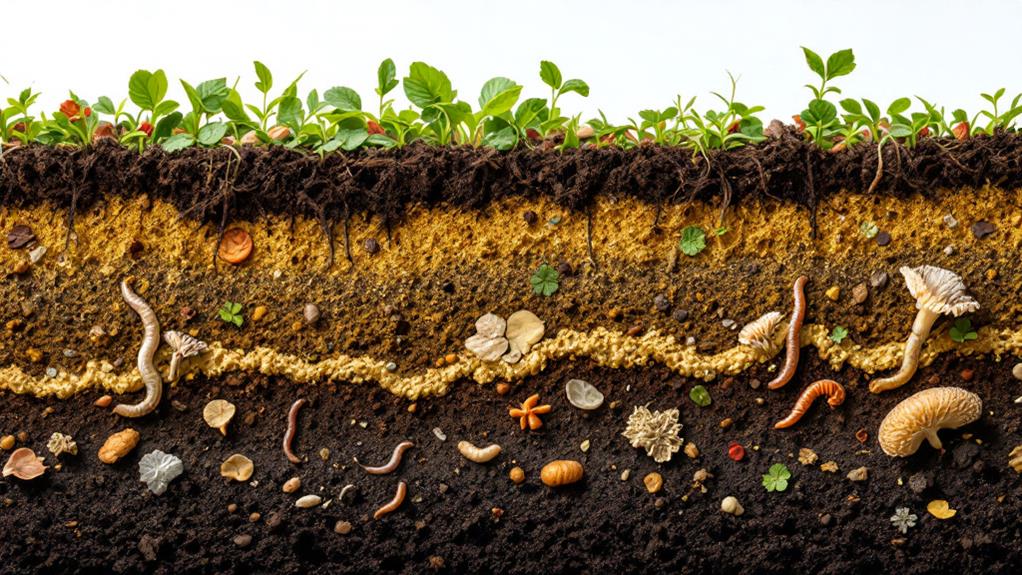
While thermocol is undeniably useful, understanding its decomposition process is vital due to its environmental implications. Thermocol, or expanded polystyrene, undergoes a complex decomposition process that spans several stages. At the outset, it remains largely intact, resisting breakdown due to its chemical stability. This initial stage, where visible degradation is minimal, can last for several decades.
As time progresses, thermocol enters the next stage, where environmental factors like light and heat start breaking down its structure. However, this phase is slow, as thermocol is inherently resistant to natural elements. Only after significant time does the material become susceptible to further degradation.
The final decomposition stages involve microbial activity. Microorganisms, which typically play a key role in breaking down organic materials, struggle with thermocol due to its synthetic nature. These microbes can eventually start affecting the material, but their impact is minimal and occurs over an extremely prolonged period.
In essence, the decomposition of thermocol is a lengthy process, primarily hindered by its resilience against natural breakdown forces and limited microbial activity. Understanding these stages highlights the environmental challenges posed by thermocol waste and underscores the importance of seeking alternatives or improved disposal methods.
Factors Affecting Decomposition Rate
Several factors greatly influence the decomposition rate of thermocol. Understanding these can help you appreciate why thermocol often lingers in the environment. Let's break down the key elements:
- Microbial Activity and Moisture Levels: Microorganisms play an essential role in breaking down materials, but thermocol is resistant to microbial activity. However, in environments with high moisture levels, microbial action can slightly increase. The presence of moisture can encourage some level of physical breakdown, albeit minimal.
- Temperature Influence and UV Radiation: High temperatures can hasten the degradation process, although thermocol is generally resilient. UV radiation can cause photodegradation, where sunlight breaks down the material over time. When exposed to direct sunlight, the surface of thermocol can become brittle.
- Landfill Conditions and Oxygen Availability: In landfills, oxygen availability is limited, slowing down any decomposition. The conditions in a landfill are typically not conducive to breaking down thermocol due to lack of exposure to elements like heat or UV radiation.
Chemical exposure can also play a part, as certain chemicals might alter the structure of thermocol, potentially accelerating its breakdown, though this isn't common in natural settings.
Comparing Decomposition Times
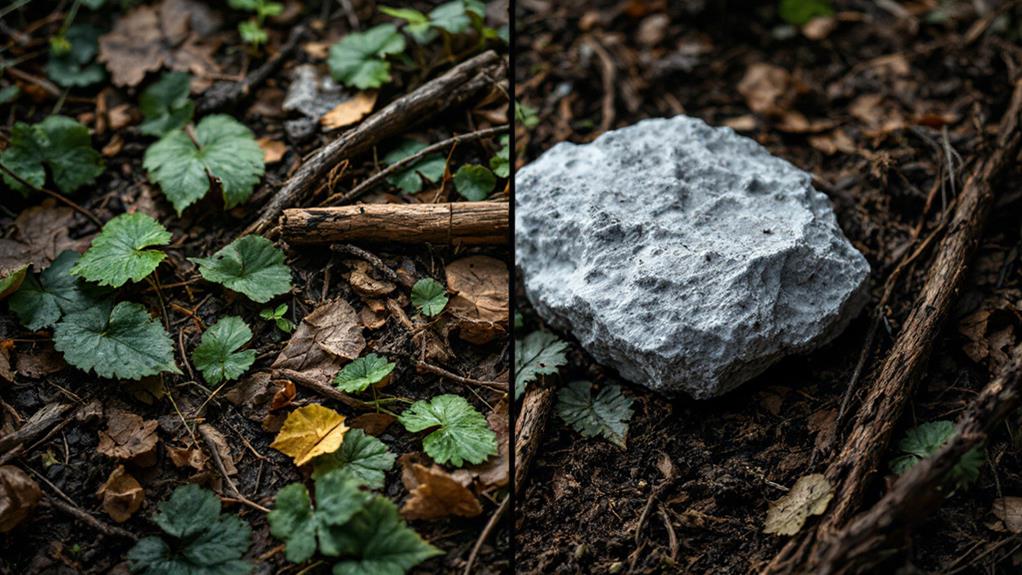
Thermocol's stubborn nature becomes evident when comparing decomposition times with other materials. While organic materials like paper and food waste break down in a few months to a couple of years, thermocol's decomposition timeline stretches into hundreds of years. Unlike biodegradable items, thermocol, made from polystyrene, resists natural degradation processes. This environmental persistence is a stark reminder of its long-lasting impact.
Reflect on glass, which takes about a million years to decompose, and plastic bags, which linger for 10 to 20 years. Thermocol sits between these extremes, with a decomposition timeline of approximately 500 years. This means that any thermocol product you use today will likely outlive many generations. It's quite an eye-opener, isn't it?
When you compare thermocol to other commonly discarded materials, its environmental persistence becomes a major concern. Items like cardboard and cotton decompose within a few months, minimizing their ecological footprint. On the other hand, thermocol's prolonged presence in landfills contributes to space issues and pollution. Understanding these timelines helps you recognize the importance of responsible disposal and recycling efforts. It's essential to reflect on these factors when making choices about using and discarding materials.
Wildlife and Ecosystem Threats
The long-lasting presence of thermocol in the environment isn't just an issue of space and pollution; it poses significant threats to wildlife and ecosystems as well. When animals ingest thermocol, it can block their digestive tracts, leading to malnutrition or death. This pollution effect extends through the food chain, disrupting the ecosystem balance. You might not realize it, but the implications are far-reaching.
- Animal Ingestion: Birds and marine life often mistake thermocol for food. Once ingested, it can cause severe internal injuries or starvation due to a false sense of fullness.
- Habitat Disruption: As thermocol accumulates, it clutters habitats, making it difficult for animals to find nesting materials or safe spaces to thrive. This leads to a decrease in biodiversity and alters natural habitats.
- Chemical Leaching: Over time, thermocol can release harmful chemicals into the soil and water, further affecting plant and animal life. This leaching disrupts the delicate ecosystem balance and can result in long-term damage.
Understanding these impacts helps you see why reducing thermocol pollution is vital to protecting our planet's wildlife and maintaining healthy ecosystems.
Recycling and Reuse Options
In relation to managing thermocol waste, exploring recycling and reuse options is crucial. You might feel overwhelmed by the persistent presence of thermocol in your life, but there are practical ways to address its environmental impact. Thermocol recycling can be a viable solution, although it requires specific facilities equipped to handle the process. By taking the time to locate a recycling center that accepts thermocol, you can greatly reduce the amount ending up in landfills.
For thermocol reuse, think creatively about how you can repurpose it. Consider using thermocol sheets for insulation in your home or garden projects. You can also transform it into lightweight planters, art projects, or even packing material for your own shipping needs. By reimagining the potential uses of thermocol, you're not only cutting down on waste but also saving resources.
It's vital to educate others about these options. Share what you learn with your community, encouraging them to take part in thermocol recycling and reuse initiatives. By doing so, you're contributing to a collective effort to minimize environmental damage and promote sustainable practices in waste management.
Innovations in Biodegradable Alternatives
As you tackle the challenge of reducing thermocol waste, exploring advancements in biodegradable alternatives can provide a sustainable path forward. By shifting focus to biodegradable materials, you can greatly reduce environmental impact and adopt eco-friendlier practices. These advancements not only support sustainable packaging efforts but also offer practical solutions for businesses and consumers alike.
Consider these exciting developments:
- Mushroom Packaging: Imagine using packaging made from agricultural waste and mushroom roots. It's fully compostable and serves as an excellent replacement for traditional thermocol.
- Biodegradable Plastics: Derived from natural materials like cornstarch, these plastics break down much faster than conventional thermocol, offering a sustainable packaging solution without sacrificing functionality.
- Seaweed-Based Solutions: Companies have begun creating packaging from seaweed, which is abundant and rapidly renewable. This alternative is both biodegradable and edible, providing a creative twist on traditional packaging methods.
Strategies for Reducing Thermocol Waste

Tackling thermocol waste requires a strategic approach that emphasizes reduction, reuse, and recycling. Start by getting involved in community initiatives that focus on minimizing thermocol use. You can join or organize clean-up drives, where participants collect and properly dispose of thermocol waste. These initiatives not only reduce waste but also raise awareness about the issue.
Educational programs are another effective strategy. Schools and local organizations can provide workshops that teach you about the environmental impact of thermocol and offer alternatives. By learning more, you're better equipped to make informed decisions about product use and disposal. Encourage your community to implement these programs, creating a culture of eco-consciousness.
At home, opt for reusable or biodegradable materials instead of thermocol whenever possible. For example, choose cardboard or plant-based packaging for shipping. If you must use thermocol, think creatively about how it can be reused. Pieces can be repurposed for insulation or craft projects, extending their lifecycle.