How San Antonio Science Centers Help Explain Biology and Space
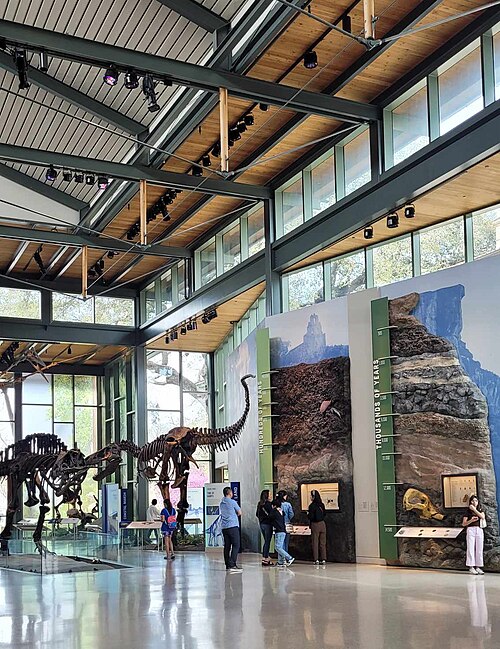
Image: Kimikel, Witte Museum Lobby (cropped), CC BY-SA 4.0
San Antonio’s science centers make biology and space science more accessible through interactive exhibits, hands-on learning, and immersive environments. From the Witte Museum’s H-E-B Body Adventure to the technology-focused programs at the San Antonio Museum of Science and Technology (SAMSAT), visitors can explore everything from human anatomy to space exploration in ways that go beyond traditional displays. These experiences are designed for all ages, helping turn complex scientific ideas into engaging, real-world learning opportunities.
What Makes Body Adventure the Most Interactive Exhibit at Witte Museum?
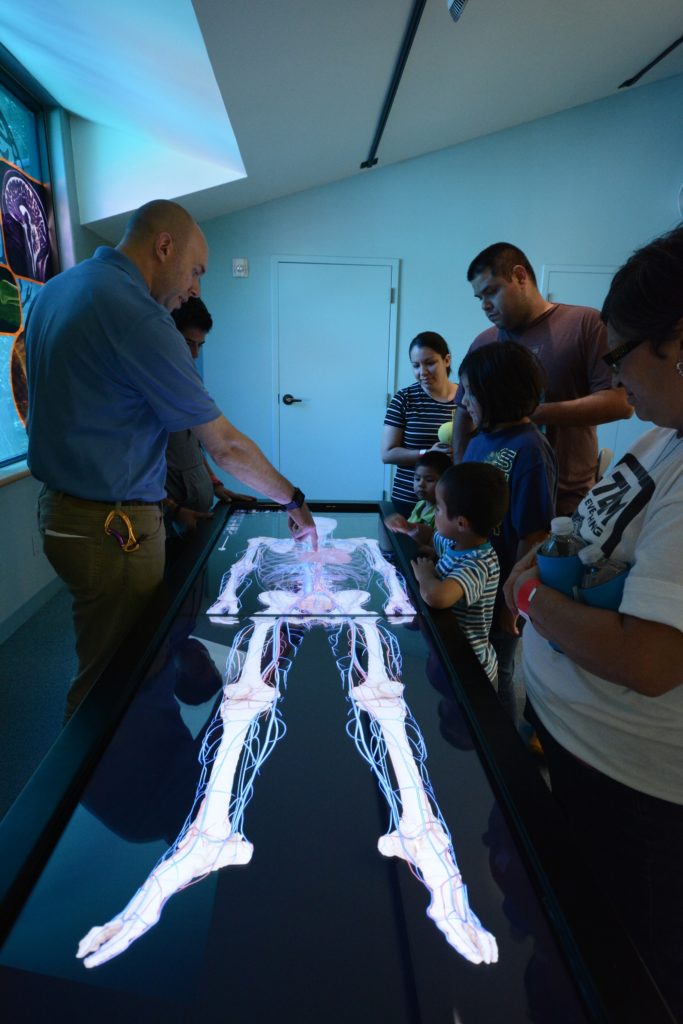
Image: Wittemuseum2017, Witte Museum H-E-B Body Adventure, CC BY-SA 4.0
Unlike traditional museum exhibits, the H-E-B Body Adventure at the Witte Museum encourages visitors to actively participate in learning about health and human biology. Visitors receive a POWERpass card, which they can use at stations throughout the exhibit to track activities and interact with displays. These stations measure movement, reaction time, and physical activity, helping visitors better understand how the body works. Interactive features include:
- Motion-based challenges that test balance and coordination
- Digital stations that explore nutrition and fitness
- Hands-on exhibits that demonstrate how the body responds to activity
Rather than collecting personal health data for external use, the system is designed to enhance individual learning and engagement during the visit.
How Interactive Tracking Enhances Biology Learning
Within Body Adventure, the POWERpass system allows visitors to create a personalized experience as they move through the exhibit. By tapping into stations, visitors can:
- Track which exhibits they’ve explored
- Participate in interactive challenges
- Receive a summary of their activity at the end of their visit
This approach uses gamification to encourage participation, especially for younger visitors, while reinforcing key concepts in human biology. Unlike more advanced wearable technologies, these systems do not use biometric sensors. Instead, they focus on simple interaction and engagement to make learning more memorable.
What Texas Dinosaurs Can You See in the Naylor Family Dinosaur Gallery?
View this post on Instagram
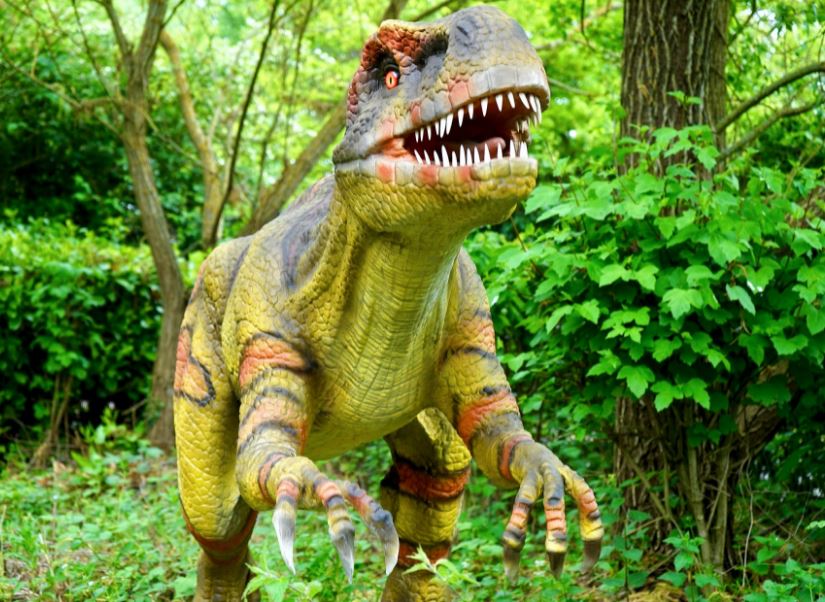
The Naylor Family Dinosaur Gallery at the Witte Museum showcases fossils and reconstructions of prehistoric creatures that once lived in Texas and North America. One of the highlights is Acrocanthosaurus, a large carnivorous dinosaur that lived during the Early Cretaceous period. The gallery also features marine reptiles such as mosasaurs, which once inhabited ancient seas that covered parts of Texas. You may also see:
- Quetzalcoatlus, one of the largest flying reptiles ever discovered, found in Texas
- Fossils representing both land and marine ecosystems
Rather than focusing only on one species like Tyrannosaurus rex, the exhibit emphasizes regional paleontology and ecosystems tied to Texas history. Interactive displays and fossil replicas allow visitors to better understand how these animals lived, moved, and interacted with their environments.
Touch Screens and Fossil Tools: Hands-On Paleontology for All Ages
The Witte Museum enhances its fossil exhibits with interactive technology and hands-on activities that bring paleontology to life. Visitors can:
- Explore digital displays that show how fossils are reconstructed
- Participate in simulated excavation activities
- Compare the size and scale of prehistoric animals
While many fossils on display are real, interactive elements are designed to help visitors visualize prehistoric life and understand scientific processes like fossilization and excavation. These features make the exhibit accessible for both younger visitors and adults interested in scientific discovery and natural history.
Desert to Coast: The Texas Ecosystems in McLean Family Wild Gallery
View this post on Instagram
The McLean Family Texas Wild Gallery highlights the state’s diverse ecosystems through detailed dioramas and preserved specimens. The exhibit explores environments such as:
- South Texas brush country and coastal regions
- Central Texas prairies
- West Texas deserts and mountains
- East Texas forests
Each section demonstrates how animals adapt to their environments, offering insight into biodiversity and conservation. Interactive elements, including soundscapes and environmental displays, help visitors understand how ecosystems function and how they are shaped by climate and geography.
What Space Tech Can You Experience at SAMSAT?
View this post on Instagram
The San Antonio Museum of Science and Technology (SAMSAT) focuses on modern innovation, including space technology, robotics, and engineering. Exhibits and programs often include:
- Robotics demonstrations and coding activities
- Engineering-based projects and student-built prototypes
- Educational programs tied to aerospace and space exploration
SAMSAT frequently partners with local educators and organizations to provide hands-on STEM learning experiences, especially for students interested in engineering and technology careers. While exhibits may rotate, the focus remains on applied science and future technologies, including space-related concepts.
How AR Sandboxes Teach Topography and Planetary Surface Science
Augmented reality (AR) sandbox technology is sometimes used in science education to demonstrate topography and planetary surfaces. These systems combine real sand with projection mapping, allowing visitors to shape terrain and see:
- Elevation changes represented through color and contour lines
- Simulated water flow across landscapes
- Terrain features similar to Earth, Mars, or the Moon
While not a permanent feature at all San Antonio science centers, this type of technology illustrates how interactive tools can make geographic and planetary science easier to understand.
Best Exhibits by Age: What Works for Toddlers vs Teens?
San Antonio offers a range of science-focused experiences tailored to different age groups. Toddlers and Young Children
- Hands-on exhibits at the Witte Museum
- Interactive play environments at The DoSeum, San Antonio’s museum for kids
Elementary-Age Visitors
- Science demonstrations and interactive learning stations
- Robotics and engineering activities at SAMSAT
Teens and Older Students
- Advanced STEM programming and workshops
- Technology-focused exhibits exploring robotics, coding, and engineering concepts
This range ensures that visitors of all ages can engage with science at an appropriate level.
Planning Your Museum Day: Combining Witte and SAMSAT Visits
If you’re planning to visit both the Witte Museum and SAMSAT in one day, timing and location are key. The Witte Museum is located near Brackenridge Park, just north of downtown San Antonio, while SAMSAT is located in the Port San Antonio area, several miles to the west. To make the most of your visit:
- Start at the Witte Museum in the morning and allow 2–3 hours for exploration
- Plan travel time between locations (approximately 15–20 minutes by car)
- Visit SAMSAT in the afternoon for technology-focused exhibits
Purchasing tickets in advance and checking exhibit availability can help streamline your day.
Which Museum Has Better Interactive Technology for Science Learning?
Both the Witte Museum and SAMSAT offer strong interactive experiences, but they focus on different aspects of science learning.
- The Witte Museum emphasizes biology, natural history, and health, using interactive exhibits and physical engagement
- SAMSAT focuses on technology, robotics, and engineering, offering programs that reflect current innovations
Rather than one being better than the other, they complement each other by covering different areas of science education.
Conclusion
San Antonio’s science centers make complex subjects like biology and space science more approachable through interactive, hands-on learning. Whether you’re exploring human anatomy at the Witte Museum, studying ecosystems, or engaging with robotics and engineering at SAMSAT, these experiences help turn scientific concepts into something tangible. By visiting multiple science-focused destinations, you can gain a broader understanding of how biology, technology, and space science connect in real-world applications.
Related posts