Why Austin Is a Leading City for Science Education and Research
Austin has grown into one of the country’s most influential centers for science education, technology research, and STEM innovation, driven largely by the presence of The University of Texas at Austin, a rapidly expanding tech sector, and major public and private research partnerships. Visitors exploring the city quickly notice how deeply science and innovation are woven into Austin’s culture, from university laboratories and startup incubators to science museums, medical research facilities, and engineering campuses.
The city’s combination of academic excellence, entrepreneurial energy, and strong investment in research has helped Austin become one of the most important STEM hubs in the South.
UT Austin Anchors Austin’s Science and Research Reputation
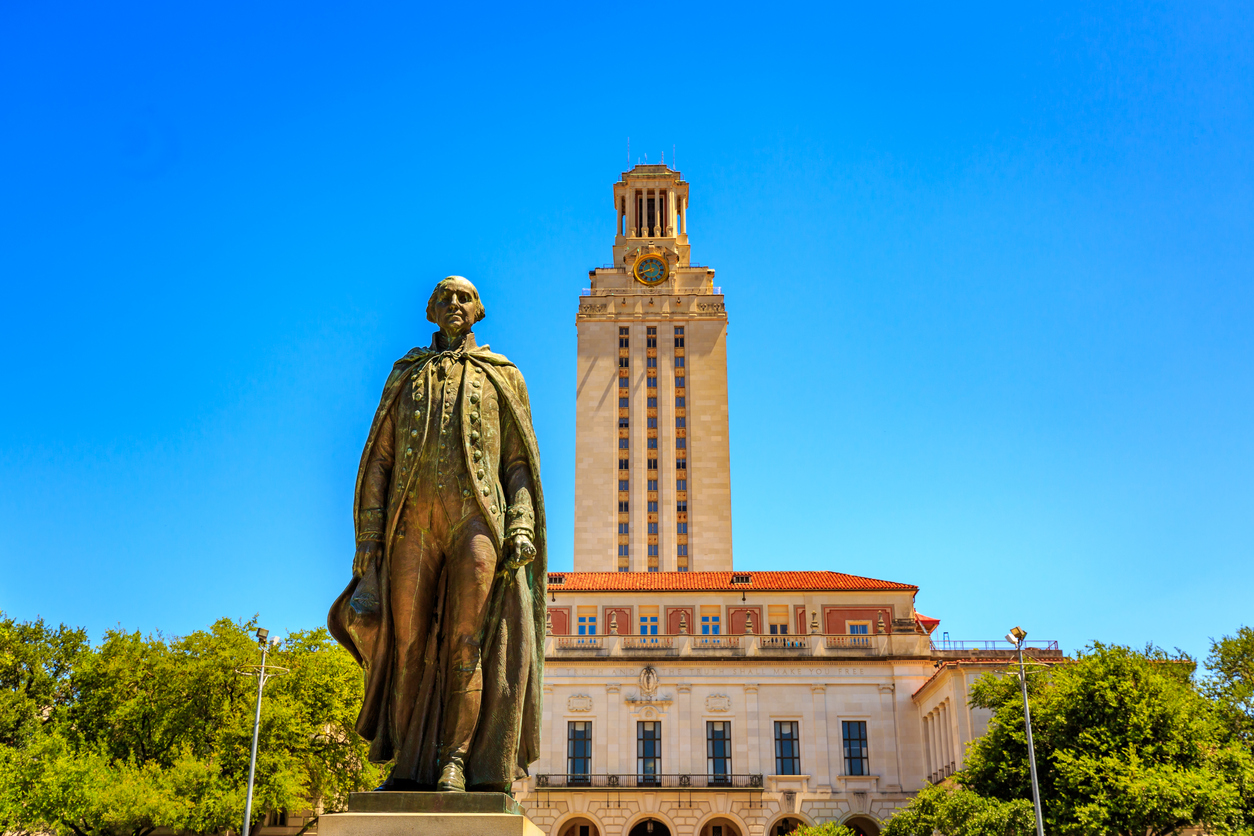
The University of Texas at Austin plays the central role in Austin’s science identity. UT Austin consistently ranks among the top public universities in the United States, particularly in engineering, computer science, natural sciences, and mathematics.
The university’s College of Natural Sciences is especially well regarded for interdisciplinary research programs spanning biology, chemistry, physics, astronomy, data science, neuroscience, and environmental science. UT Austin’s mathematics and computer science programs routinely appear among top national and international rankings.
The Cockrell School of Engineering also contributes heavily to Austin’s research influence through nationally recognized programs in:
- Aerospace engineering
- Biomedical engineering
- Artificial intelligence
- Robotics
- Semiconductor research
- Energy systems
UT Austin reported more than $1 billion in annual research expenditures, placing it among the nation’s top public research universities.
Austin’s Tech Industry Strengthens STEM Education
Austin’s reputation as a technology hub directly supports science education and research opportunities throughout the city. Major companies including Apple, Dell Technologies, Google, IBM, Tesla, Oracle, Samsung, and Indeed maintain significant operations in the region.
These companies frequently collaborate with universities and research centers on workforce development, engineering research, and computer science initiatives. Students benefit from internships, startup incubators, and direct industry partnerships that connect classroom learning with real-world applications.
Austin’s startup ecosystem also encourages innovation in fields such as:
- Clean energy
- Biotechnology
- Medical devices
- Artificial intelligence
- Software engineering
- Aerospace technology
The city’s growing innovation economy creates strong career opportunities for STEM graduates while attracting researchers and entrepreneurs from around the world.
Science Museums and Educational Attractions in Austin
Visitors interested in science education can explore several interactive institutions throughout Austin.
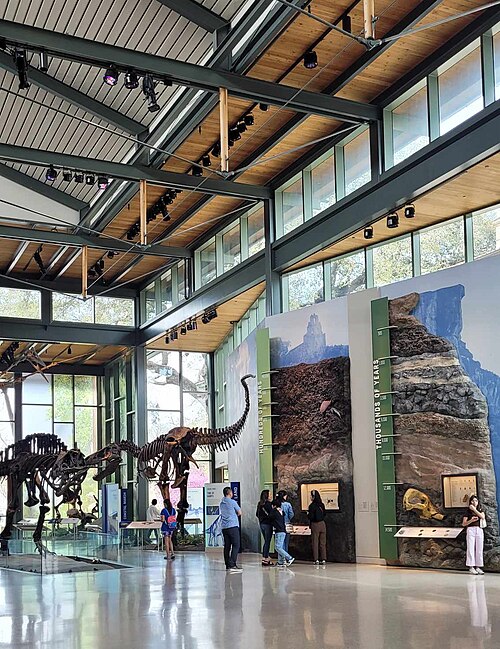
The Texas Science & Natural History Museum on the UT Austin campus features exhibits on paleontology, geology, wildlife, fossils, and Texas ecosystems. Families and students often visit the museum to learn more about the state’s prehistoric history and biodiversity.
The Bullock Texas State History Museum includes technology and space exploration exhibits tied to Texas innovation and scientific advancement.
Austin is also home to the Thinkery, a children’s museum focused on hands-on STEM learning through engineering activities, creative building, physics demonstrations, and interactive exhibits.
Nearby science-focused attractions include:
- The Lady Bird Johnson Wildflower Center
- Austin Nature & Science Center
- Mayfield Park and Nature Preserve
- McDonald Observatory programs in West Texas through UT partnerships
These institutions help reinforce Austin’s identity as a city that values science literacy and public education.
Research in Health, Energy, and Environmental Science
Austin’s research influence extends beyond classrooms and tech campuses. The city supports major work in healthcare innovation, sustainability, and environmental science.
Dell Medical School at UT Austin has expanded research in public health, medical technology, and healthcare systems. Research centers connected to the university also study water conservation, climate resilience, renewable energy, and urban sustainability.
Environmental science programs are especially important in Central Texas because of the region’s rapid growth, drought concerns, and water management challenges. Austin researchers regularly contribute to studies involving aquifer systems, conservation planning, and clean energy technologies.
The city’s emphasis on sustainability aligns naturally with its research culture, helping Austin attract organizations focused on future-focused environmental solutions.
Austin’s Strong STEM Student Population
Austin attracts thousands of students pursuing science and engineering degrees every year. UT Austin alone enrolls tens of thousands of undergraduate and graduate students across STEM disciplines.
Programs in computer science, biology, chemistry, engineering, and data science remain especially competitive. The university’s strong freshman retention and graduation rates reflect the academic support systems available to students pursuing rigorous technical fields.
Many graduates remain in Austin after completing their degrees because the local economy provides extensive opportunities in technology, research, healthcare, and engineering.
This constant pipeline of students, researchers, and professionals helps sustain Austin’s long-term reputation as a science and innovation center.
Why Austin Continues to Grow as a Research Hub
Austin’s appeal comes from the way education, industry, and culture overlap naturally across the city. Universities produce talent, companies provide investment and jobs, and public institutions support science education for residents and visitors alike.
The city also benefits from:
- A large concentration of research funding
- Nationally recognized STEM programs
- A strong startup ecosystem
- Expanding technology infrastructure
- Collaboration between academia and industry
- A growing population of young professionals
Together, these factors continue positioning Austin as one of the country’s leading destinations for science education and research development.
Conclusion
Austin stands out as far more than a music and technology city. It has become one of the most important science education and research centers in Texas and the broader United States. From UT Austin’s nationally respected STEM programs to the city’s expanding tech economy and public science institutions, Austin creates an environment where education, discovery, and innovation intersect daily.
Whether you’re a student, researcher, entrepreneur, or visitor interested in STEM culture, Austin offers a clear look at how science and technology continue shaping the future of Texas.