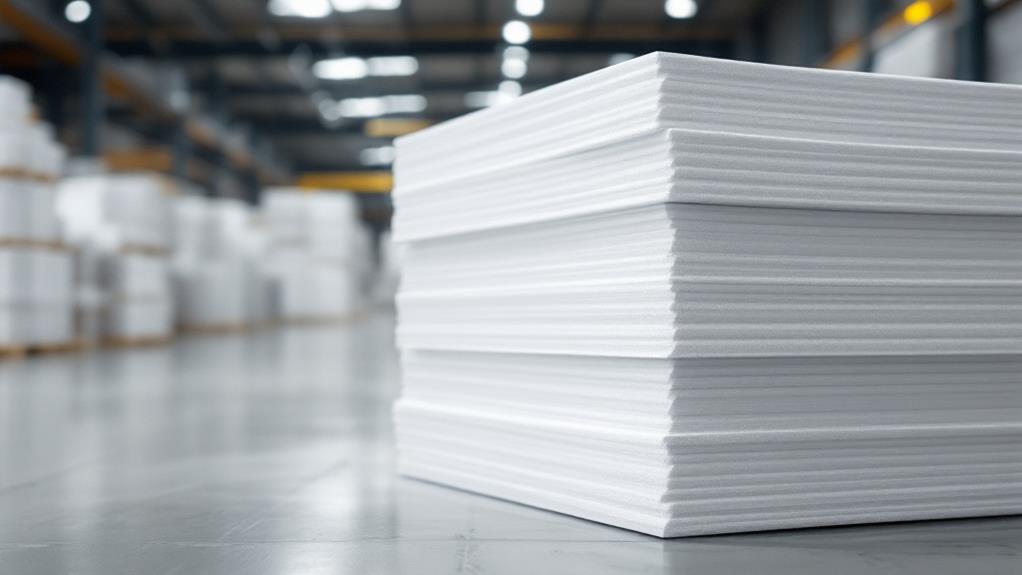
What Happens If You Accidentally Swallow Thermocol?
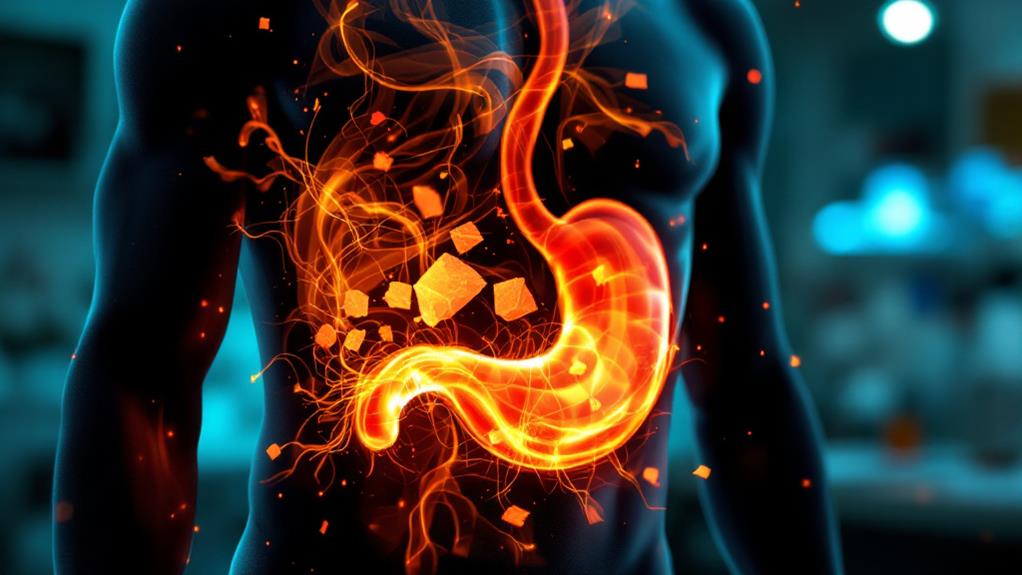
If you accidentally swallow thermocol, usually it passes through your digestive system without much trouble, but it can cause issues like blockages or irritation. You might not notice any immediate reactions, but discomfort could develop if it doesn't move smoothly. Drinking water or eating high-fiber foods can help, but if you feel pain, difficulty swallowing, or notice changes in bowel movements, see a healthcare professional. Avoid inducing vomiting, as it could worsen the situation. Understanding how to handle such incidents and knowing the signs that require medical attention could be beneficial in managing the outcome.
Understanding Thermocol Composition
Thermocol, also known as expanded polystyrene (EPS), is a lightweight, foam-like material that's commonly used for packaging and insulation. Its structure is made up of about 95% air, which gives it its unmistakable buoyancy and cushioning ability. You might not realize it, but thermocol's properties make it both a boon and a bane. On one hand, its lightweight nature and excellent insulating properties are essential in protecting fragile goods and reducing energy consumption in buildings. On the other hand, its durability means it doesn't easily degrade, leading to significant environmental impact. As with many plastics, the production process of thermocol involves the use of petroleum-based products, which raises concerns about sustainability.
When you think about thermocol's composition, it's significant to know it's primarily made from styrene, a petroleum-based product. The manufacturing process involves expanding tiny bead-like particles under steam, allowing them to fuse together into the familiar white blocks. While thermocol is incredibly useful, it poses a challenge regarding disposal. It doesn't break down readily and can linger in landfills for hundreds of years. This persistence contributes to pollution, and improper disposal can lead to it entering waterways, affecting marine life. As you investigate thermocol's role in everyday life, it's vital to weigh its functionality against its environmental costs.
Common Scenarios of Ingestion
Considering thermocol's widespread use and its persistent nature, it's essential to recognize situations where accidental ingestion might occur. One common scenario involves food packaging. Thermocol is often used as cushioning or insulation in packaging for fruits, vegetables, and takeaway meals. You might find yourself hurriedly eating and accidentally swallow small pieces stuck to your food, which can be particularly concerning as it may lead to choking hazards, similar to how one must carefully measure dimensions in pi in geometry. This is especially common when you're not paying close attention to what you're consuming, making it a potential choking hazard.
Children are particularly at risk due to their curiosity and tendency to investigate objects with their mouths. They might mistake colorful thermocol pieces for candy, leading to unintentional ingestion. In a busy household, it's easy for small thermocol fragments to go unnoticed on the floor, where a child might quickly scoop them up.
Craft activities also present a risk. If you're involved in projects using thermocol beads or sheets, you might accidentally ingest them, especially if you're handling them without care. In these situations, small pieces can break off and be unintentionally inhaled or swallowed. Being mindful of these scenarios can help you avoid potential hazards and guarantee that such incidents are minimized.
Immediate Reactions in the Body
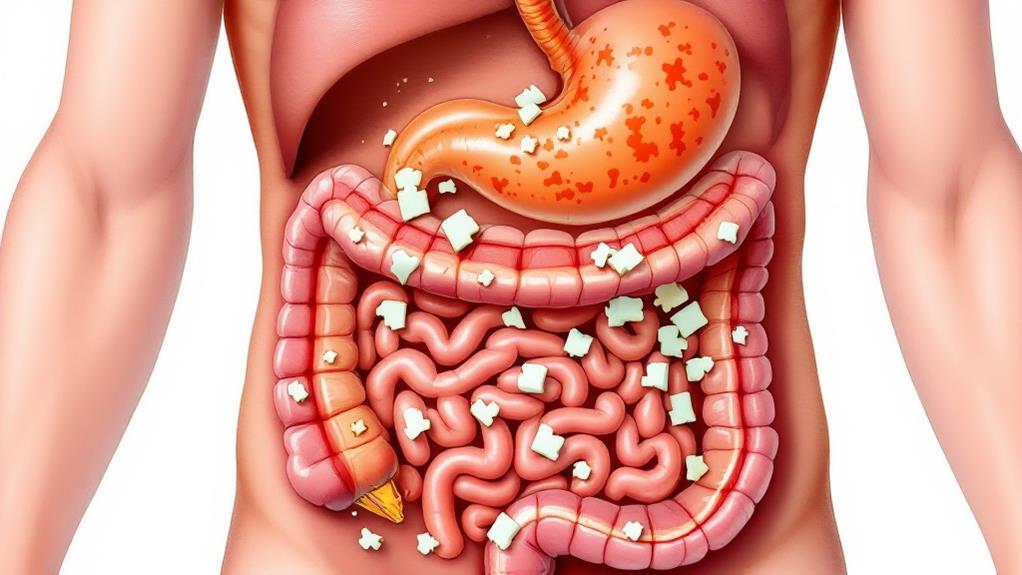
When you swallow thermocol, your body might not react markedly at the beginning, but it's vital to understand the potential hazards. The body reaction to an unexpected material like thermocol can vary depending on the size and amount ingested. Initially, your digestive response might not trigger any immediate alarms, as thermocol is relatively inert. However, your body recognizes it as a foreign object, which can lead to subtle responses.
One of the body's initial reactions is to attempt to break down and move the foreign substance through the digestive tract. Since thermocol isn't digestible, it can pose a challenge. Your digestive system may increase muscle contractions to propel it forward. This activity might not be evident right away but serves as a significant mechanism to prevent blockages.
Additionally, the body's natural defenses might try to isolate the thermocol, forming mucus around it to ease its passage through the digestive system. It's necessary to be aware of any discomfort or unusual sensations as your body navigates this task. While the immediate digestive response might seem mild, monitoring how your body reacts is key to addressing any complications that may arise.
Short-Term Health Effects
You might start feeling a few short-term health effects shortly after swallowing thermocol. The material isn't meant to be digested, so your body could struggle with it. One of the primary concerns is gastrointestinal blockage. Because thermocol doesn't break down easily, it can obstruct your digestive tract, leading to discomfort. You might experience symptoms like stomach pain, bloating, or even vomiting. These are your body's signals that something isn't right.
Another issue is chemical toxicity. Thermocol contains chemicals that aren't safe for ingestion. When these chemicals enter your system, they might cause irritation or inflammation. You could feel nauseous or dizzy, as your body attempts to cope with this foreign substance. It's essential to monitor these symptoms since they indicate your body's adverse reaction to the thermocol.
If you notice any of these short-term health effects, don't ignore them. Seeking medical attention is significant to guarantee that any potential complications are addressed before they escalate. Healthcare professionals can assess the severity of the gastrointestinal blockage or chemical toxicity and provide the necessary treatment to alleviate your symptoms and prevent further issues.
Long-Term Health Concerns

Swallowing thermocol can lead to long-term health concerns that shouldn't be disregarded. Although it might seem harmless initially, over time, it can cause digestive issues. You could experience potential blockages in your intestines, which may disrupt normal digestion and cause discomfort. These blockages can lead to long term effects, including malnutrition and chronic digestive problems if not dealt with properly.
Chemical exposure is another worry. Thermocol contains styrene, which, when ingested, might release harmful chemicals into your body. Prolonged exposure to these chemicals could have adverse health effects, making regular health monitoring vital. It's wise to undergo medical evaluations to check for any lingering effects on your health.
Dietary implications also come into play. You might need to adjust your diet to minimize further digestive strain and promote healing. A healthcare professional can help guide these changes to ascertain you're taking the right steps toward recovery.
Lastly, there's a psychological impact to reflect on. The anxiety stemming from health worries can affect your mental well-being. It's crucial to address these concerns with a mental health professional who can offer support and strategies for coping with the stress of potential long-term health issues.
Steps to Take Immediately
In the event of swallowing thermocol, it's important to act promptly to minimize potential health risks. Initially, stay calm and assess the situation. Thermocol, also known as expanded polystyrene, isn't digestible, and swallowing it can pose swallowing hazards. The size of the piece and any discomfort you feel are key factors. If the piece is small and you're not experiencing discomfort, drink a glass of water. This may help move the thermocol through your digestive system more smoothly.
However, if you experience any difficulty swallowing, breathing issues, or discomfort, it's critical to focus on thermocol safety. Avoid trying to induce vomiting, as this might cause more harm. Instead, rinse your mouth with water to clear any residual pieces and keep your airway clear. Monitor yourself for any unusual symptoms, such as throat pain or coughing.
Understanding swallowing hazards is important, but keep in mind that everyone's body reacts differently. While taking these immediate steps, make sure you stay aware of any changes in how you feel. Your main goal should be to stay safe and mitigate any potential risks. Always prioritize thermocol safety by being cautious with handling and consumption.
When to Seek Medical Help

Recognizing when to seek medical help after swallowing thermocol is vital for your health. While small amounts might pass through your system without causing harm, symptoms monitoring is significant to identify any digestive impact. Keep an eye out for any unusual signs that might indicate something more serious is happening inside your body.
Here are some situations where you should seek medical attention:
- Persistent Pain: If you experience ongoing pain in your throat, chest, or abdomen, it could indicate an obstruction or irritation.
- Difficulty Breathing or Swallowing: Any difficulty in breathing or swallowing suggests potential blockage or swelling that requires immediate attention.
- Vomiting or Nausea: If you find yourself feeling nauseous or vomiting, it might signal that your body is struggling to process the thermocol.
- Changes in Bowel Movements: Watch for any changes in your bowel movements, such as constipation or blood in your stool, as these could indicate a digestive impact.
Don't ignore these symptoms. Contact a healthcare professional if you notice any of these signs. Timely intervention can prevent more serious complications and maintain your well-being intact. Always prioritize your health and safety.
Treatment Options Available
How can you effectively manage the situation if you've swallowed thermocol? Initially, don't panic. Most small pieces of thermocol will pass through your digestive system without causing harm. However, you can take some home remedies to aid the process. Drinking plenty of water can help move the thermocol along your digestive tract. Water can act as a natural lubricant, making it easier for your body to expel the foreign material.
Another home remedy is to incorporate high-fiber foods into your diet. Dietary precautions like this guarantee that your digestive system functions smoothly. Foods such as whole grains, fruits, and vegetables can help bulk up your stool, promoting regular bowel movements. This process can assist in the safe passage of the thermocol.
Avoid consuming greasy or heavy foods, as they might slow down your digestion and make it more difficult for the thermocol to pass. If you experience any discomfort, like nausea or abdominal pain, it's essential to seek medical attention immediately. Remember, although home remedies and dietary precautions can help manage mild cases, they aren't substitutes for professional medical advice when symptoms persist. Always prioritize your health and well-being.
Preventing Future Incidents
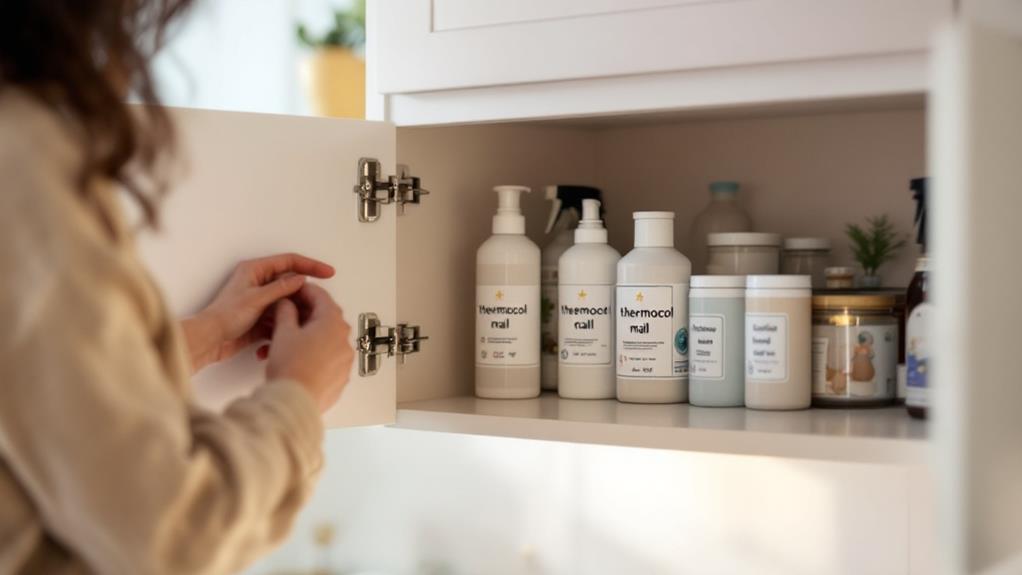
To prevent future incidents of swallowing thermocol, it's vital to be mindful of your surroundings, especially when handling materials that can easily break into small pieces. Safety precautions play an important role in ensuring that you and those around you are protected from accidental ingestion. Start by storing thermocol in secure, out-of-reach places to minimize exposure.
Here are some effective strategies to keep in mind:
- Label and Store Properly: Clearly label all thermocol products and store them in designated areas to avoid confusion and accidental ingestion.
- Dispose Responsibly: Safely dispose of thermocol waste by ensuring it's sealed in containers that can't be easily accessed by children or pets.
- Conduct Regular Checks: Periodically inspect your home or workplace for loose thermocol pieces, especially after projects or deliveries.
- Promote Awareness Campaigns: Participate in or initiate campaigns to inform others about the risks associated with thermocol and the importance of safe handling.
Educating Children About Risks
Teaching children about risks is essential for their safety and development. As a parent or guardian, you play a significant role in fostering child safety by making sure they understand the potential dangers around them. Start by explaining simple concepts like why some objects, such as thermocol, should never be put in their mouths. Use clear examples and everyday situations to make these lessons relatable and memorable.
Encourage open conversations about risk awareness. Ask questions that prompt them to think critically about their surroundings. For instance, "What do you think could happen if you swallow something not meant for eating?" This helps them develop the habit of evaluating situations before acting. Role-playing can also be an effective tool. You can create scenarios where they practice what to do if they encounter a risky situation, reinforcing their understanding of safety measures.
Empower them by teaching basic primary aid measures, so they know what to do if accidents occur. Reassure them that it's okay to seek help from adults when they feel unsure or unsafe. Remember, consistent communication and reinforcement of these lessons will build their confidence in managing risks, ensuring a safer environment for them.