What Happens if You Microwave Styrofoam?
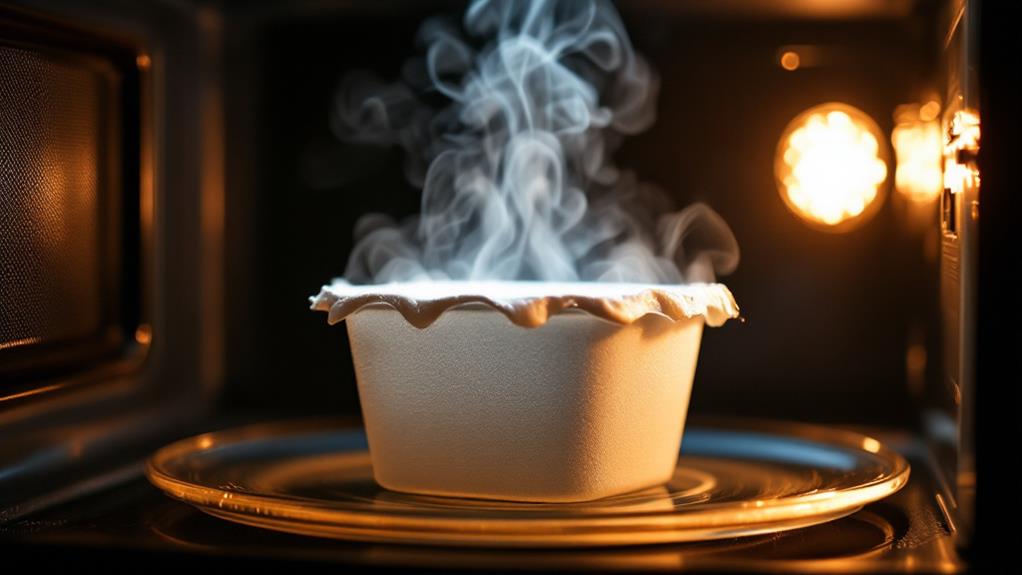
If you microwave Styrofoam, it can melt or warp, compromising the container's structure and potentially releasing harmful chemicals like styrene into your food. This happens because Styrofoam isn't designed to withstand high heat levels, and microwaving it increases the risk of chemical leaching, which can pose health risks such as respiratory issues or more severe conditions over time. Instead, use microwave-safe alternatives like glass or ceramic to prevent these dangers. Look for signs of damage if you've accidentally microwaved it, like warping or odd odors. For more insights on safe practices and alternatives, keep exploring.
Understanding Styrofoam Composition
Recognizing what makes up Styrofoam is vital to understanding its behavior when microwaved. Styrofoam, a type of polystyrene foam, is primarily composed of air, making it lightweight and insulating. However, not all Styrofoam types are created equal. Some are designed for food use, while others are not. The difference lies in their composition and intended purpose. For instance, food-grade Styrofoam often includes additives to prevent the leaching of harmful chemicals when exposed to heat. This is particularly significant because, similar to dangers of metal in microwaves, certain materials can pose risks when heated. Knowing which type you have is essential for safe microwave use.
You might think Styrofoam's convenience comes without drawbacks, but its environmental impact is substantial. It's not biodegradable, meaning it can persist in landfills for centuries. Additionally, during production and degradation, Styrofoam releases pollutants that can harm ecosystems and wildlife. When microwaved, certain types of Styrofoam can release potentially harmful chemicals into your food, further adding to environmental and health concerns.
Understanding these factors helps you make informed decisions about using Styrofoam containers, especially when heating food. By recognizing the different styrofoam types and their environmental impact, you can better assess if you should rely on them or seek more sustainable alternatives.
How Microwaves Work
When you use a microwave, it's fascinating to realize that it operates using electromagnetic waves to heat your food. Microwave technology harnesses these waves, which are a form of non-ionizing radiation, to agitate water molecules within whatever you're cooking. This agitation causes the molecules to vibrate, generating heat through friction and effectively warming your meal from the inside out. Similar to how yeast fermentation transforms dough into spongy bread, the interaction of microwaves with food creates a rapid cooking process.
In the heart of your microwave is a component called a magnetron, which is responsible for producing these electromagnetic waves. Once generated, the waves are channeled into the cooking chamber where they bounce around, penetrating food and causing rapid molecular motion. This process is what makes microwave cooking so fast and efficient compared to conventional ovens.
You'll notice that microwaves don't heat everything uniformly. They target water, fats, and sugars more efficiently, which is why some foods might heat unevenly. Understanding this can help you optimize cooking times and techniques. It's also vital for ensuring that you use materials safe for microwave exposure. Knowing how microwave technology works allows you to make informed decisions about what to place inside, ensuring both safety and culinary success.
Effects of Heat on Styrofoam
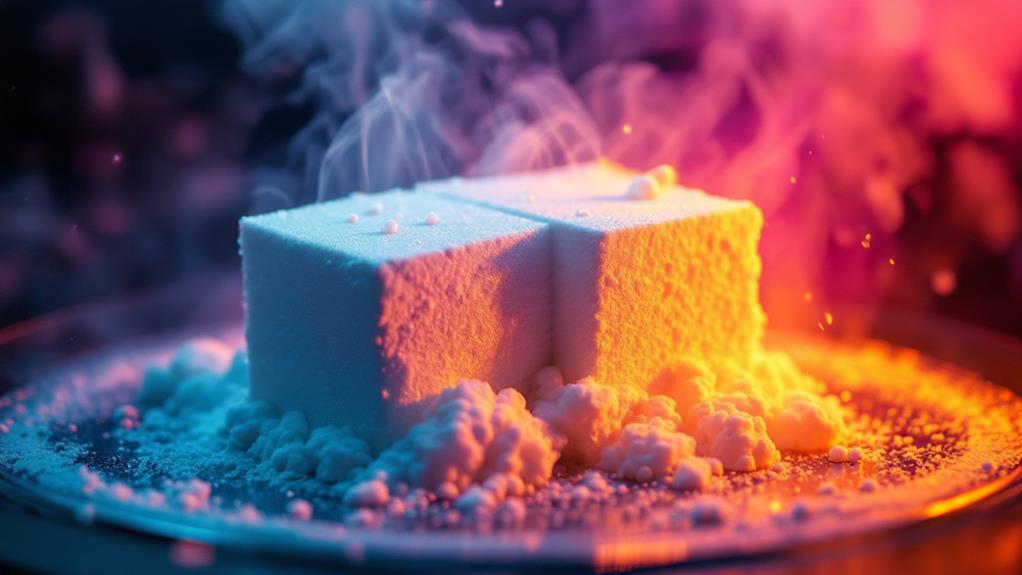
Styrofoam, a common material used in food containers, doesn't fare well under intense heat, such as that generated by microwaves. When you expose Styrofoam to high temperatures, it doesn't take long for the structural integrity to break down. This material has a relatively low melting temperature, meaning it starts to soften and deform even before it reaches the heat levels produced by a typical microwave.
You might notice that Styrofoam containers seem to hold up well with cold or room-temperature foods, but that's due to their excellent insulation properties, not heat resistance. When microwaved, the heat penetrates quickly, and the Styrofoam lacks the necessary stability to withstand it, leading to warping or even melting.
If you think about reheating leftovers in a Styrofoam container, it's essential to take into account that it's not designed to handle such heat. The material's heat resistance is limited, and pushing it past its melting temperature can result in a mess inside your microwave. Instead, transfer your food to a microwave-safe dish to guarantee both your meal and microwave remain intact. This way, you avoid the potential hazards associated with heating Styrofoam.
Chemical Leaching Concerns
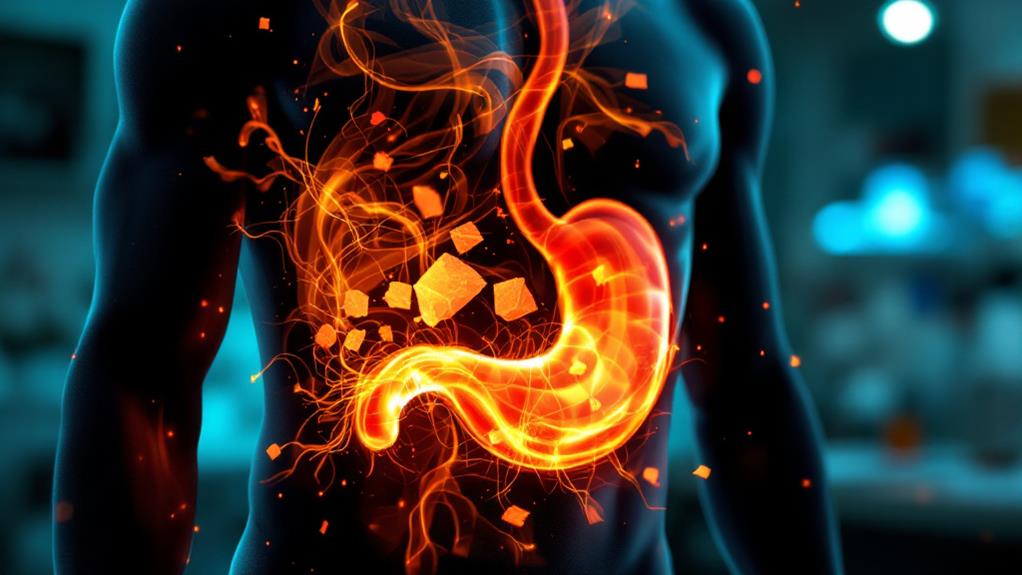
A significant concern when microwaving Styrofoam is the potential for chemical leaching. When Styrofoam is heated, especially in a microwave, it can break down and release chemicals into the food or liquid it contains. You might think it's just a convenience, but the reality is that these chemicals, such as styrene, can leach into your meal. The higher the temperature, the greater the chance of leaching occurring. Even if it seems like the Styrofoam is intact, the heat can cause microscopic changes that lead to this release.
You might not realize it, but chemical leaching doesn't just affect what you're eating or drinking. It also has a broader environmental impact. When Styrofoam products are disposed of, the chemicals can seep into the soil and waterways, contributing to pollution and harming wildlife. The environmental impact doesn't stop there; producing Styrofoam itself involves harmful chemicals that can affect air quality. By reconsidering microwaving Styrofoam, you're not only protecting what you consume but also making a conscious choice to reduce environmental damage. Opt for microwave-safe alternatives to avoid these issues and minimize your ecological footprint.
Health Risks Involved
Microwaving Styrofoam poses several health risks that you should be aware of. When you heat Styrofoam in a microwave, chemicals like styrene can leach into your food or drink. Consuming these chemicals may have adverse health effects over time. Styrene has been linked to numerous health issues, including respiratory problems, headaches, and even more severe conditions like cancer. The risk increases with long term exposure to these chemicals, as your body might accumulate them, leading to chronic health problems.
You may not notice immediate symptoms after consuming food from microwaved Styrofoam, but that doesn't mean it's safe. Repeated exposure can compound the health effects, making it essential to evaluate the materials you're using to heat your meals. It's easy to overlook these risks when you're in a hurry or trying to save on dishwashing, but the potential health consequences are significant.
To protect your health, think about using microwave-safe alternatives like glass or ceramic containers. These options reduce the likelihood of chemical leaching and minimize long term exposure to harmful substances. Taking simple precautions can help you avoid unnecessary health risks associated with microwaving Styrofoam.
Signs of Styrofoam Damage
Ever wondered how you can tell if your Styrofoam container has been damaged by microwaving? Start by checking for warping or a misshapen appearance. When Styrofoam is exposed to high heat, it can soften and lose its original shape. You might also notice uneven melting or bubbling on the surface, which indicates that the material has been compromised. Look for any discoloration; areas that appear darker or lighter than the rest of the container can be a sign of damage.
Another telltale sign is an unusual odor. If your Styrofoam container emits a strange chemical smell after microwaving, that's a strong indication it's been damaged. This is the result of chemicals breaking down, which isn't just harmful to the container but potentially hazardous to you.
Given these signs, consider Styrofoam recycling as an option to prevent further damage to the environment. Recycling helps reduce waste but isn't always feasible due to limited facilities. That's where eco friendly alternatives come in. Materials like glass, ceramic, or BPA-free plastics are safer for microwaving and can help reduce reliance on Styrofoam. The next time you need a food container, think about making a more sustainable choice.
Safe Microwave Practices
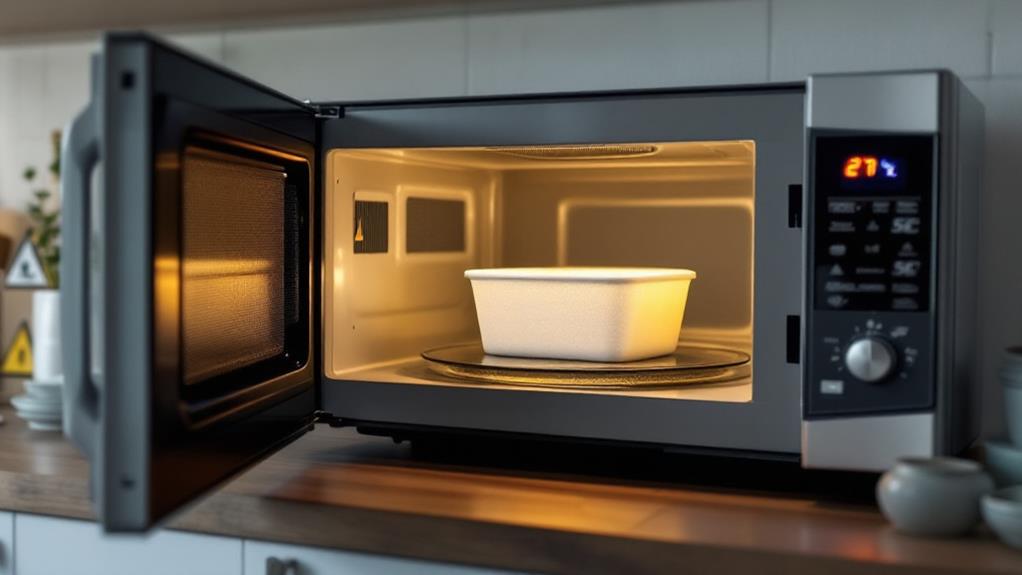
If you've noticed the potential hazards of microwaving Styrofoam, you'll appreciate understanding how to heat your food safely. Confirming microwave safety starts with checking the labels on your food packaging. Look for a microwave-safe symbol, which indicates the container won't release harmful chemicals or melt when heated. It's essential to keep in mind that not all plastics or containers are designed for microwave use.
Once you've verified the packaging is safe, use a microwave-safe cover or lid. This helps retain moisture and prevents food splatters, making cleanup easier and maintaining the microwave's efficiency. Always avoid sealing containers tightly, as steam needs to escape to prevent pressure buildup.
When reheating food, stir or rotate it to promote even heating and avoid cold spots that might harbor bacteria. Also, be mindful of overheating, which can cause food to dry out or get burnt. Using a lower power setting for a longer duration can help maintain the food's texture and flavor.
Alternative Containers for Microwaving
Exploring safer options for microwaving food is essential to guarantee your meals are both delicious and hazard-free. When you're selecting the right container, you should look for materials specifically labeled microwave safe. Glass containers are an excellent choice because they're durable and don't leach chemicals into your food. Opt for ones with tight-fitting lids to avoid spills.
Silicone molds are versatile and can be used for both cooking and storing food. They handle high temperatures well and are easy to clean. Ceramic dishes also make a great option, offering an elegant touch while withstanding microwave heat effectively.
Microwave safe plastics are another alternative, though you should be cautious and verify they're labeled accordingly to prevent harmful chemical exposure. Bamboo bowls, while eco-friendly and stylish, aren't typically suited for microwaves as they can warp, so use them for serving instead.
Avoid using metal cookware in the microwave, as it can cause sparks and damage your appliance. By choosing the right containers, you not only protect your microwave but also guarantee your meals are cooked safely and effectively, enhancing your comprehensive dining experience.
Tips for Safe Food Reheating
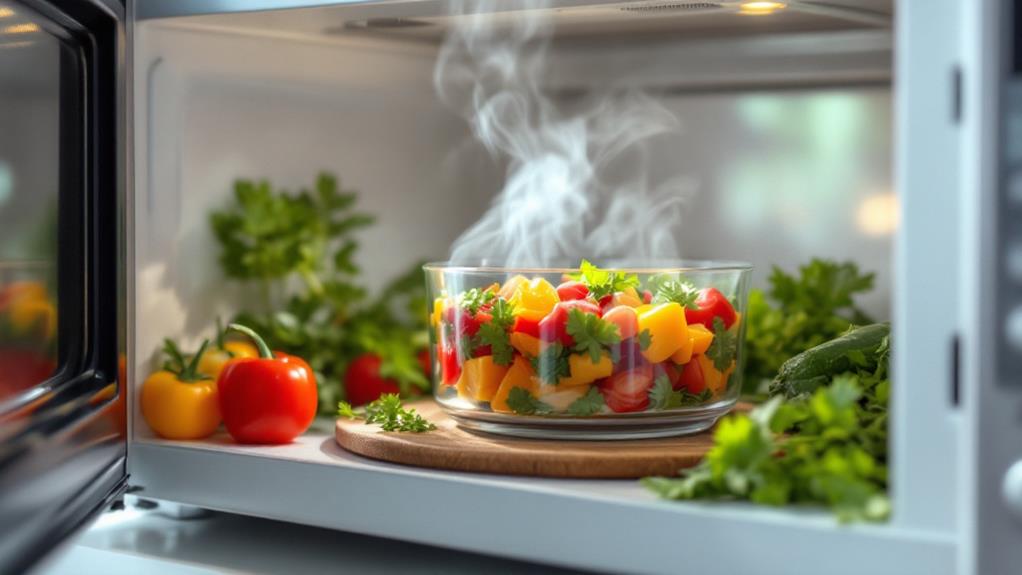
Reheating meals safely in the microwave starts with proper portioning and arrangement. Spread your food evenly in a microwave-safe container to guarantee it heats thoroughly. Avoid piling food too high, as this can lead to uneven heating, which is a food safety risk. Always cover your dish with a microwave-safe lid or vented plastic wrap to trap steam, helping kill harmful bacteria.
Follow reheating guidelines by setting your microwave to the appropriate power level. For most dishes, medium or medium-high settings work best. Stir or rotate food halfway through the heating process to eliminate cold spots. These cold spots can harbor bacteria, so it's vital to distribute heat evenly. Use a food thermometer to check that your meal reaches an internal temperature of at least 165°F (74°C).
Don't forget to let your food stand for a moment after microwaving. This rest time allows the heat to distribute evenly, making sure your dish is safe to eat. Avoid using containers not labeled as microwave-safe, as they can melt or leach chemicals into your food. By following these reheating guidelines, you'll guarantee your meals are not only delicious but also safe to consume.