What Is Eps Foam?
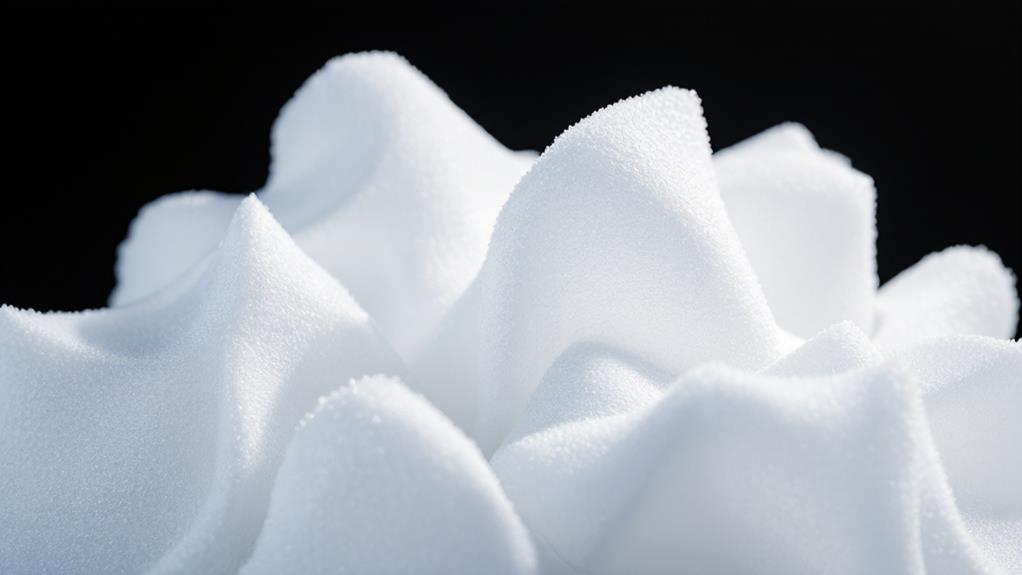
EPS foam, or Expanded Polystyrene, is a lightweight and rigid plastic that's made up of 90-95% air, perfect for insulation. You'll find it's frequently used in packaging, construction, and insulation due to its exceptional thermal abilities. It's moisture-resistant and durable, providing long-lasting performance in diverse conditions. Created through expanding polystyrene beads, EPS shows notable impact resistance while maintaining a low density. However, even with impressive properties, it has environmental challenges like recyclability and pollution. Diving into its production process, properties, and environmental impact will give you a clearer picture of its uses and ongoing innovations.
Understanding EPS Foam
Understanding EPS Foam
EPS foam, or expanded polystyrene foam, is a lightweight and adaptable material you're likely to encounter in everyday life. It's known for its unique EPS characteristics that make it incredibly useful across different applications. One of the standout features of EPS is its excellent thermal insulation properties. As EPS insulation, it helps maintain temperature by reducing thermal conductivity, making it ideal for construction and packaging applications. In fact, the production process of plastics, including EPS foam, begins with the distillation of crude oil, where compounds like naphtha are derived for polymerization and polycondensation to create such materials the production process of plastics. You might find it lining the walls of your home or insulating your cooler on a hot summer day.
Beyond its insulation capabilities, EPS foam is highly durable yet lightweight. This combination makes it perfect for protecting fragile items during shipping and handling. Its buoyancy also contributes to its use in life-saving devices, such as life vests and flotation devices. Moreover, the foam's resistance to moisture and chemical exposure further improves its longevity, ensuring it remains effective over time.
EPS is also easy to mold and shape, allowing for custom designs in different industries. Regardless of whether used for packaging, construction, or creative projects, its versatility is unmatched. Understanding these EPS characteristics helps you appreciate why it's a go-to material in many fields.
Manufacturing Process
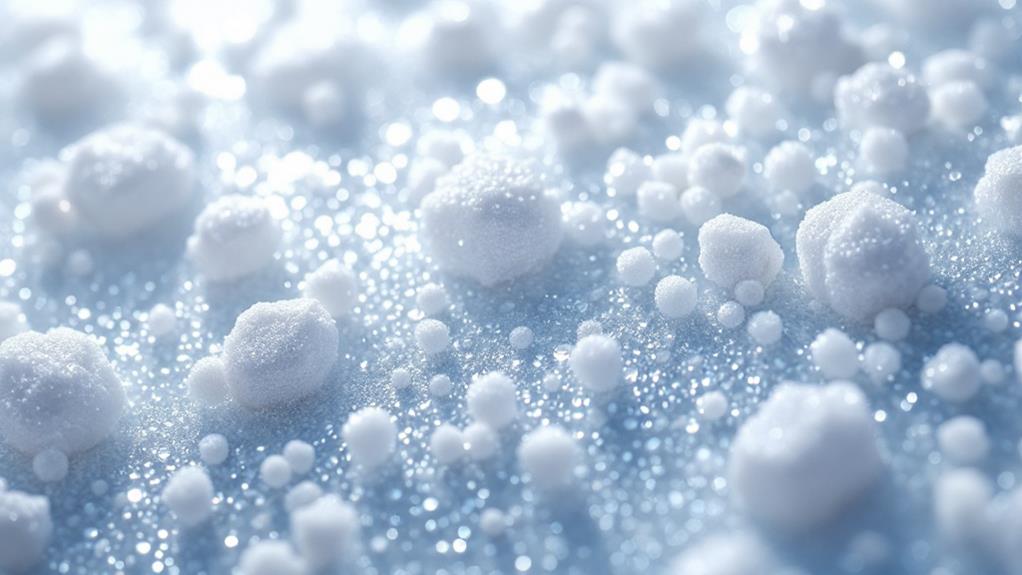
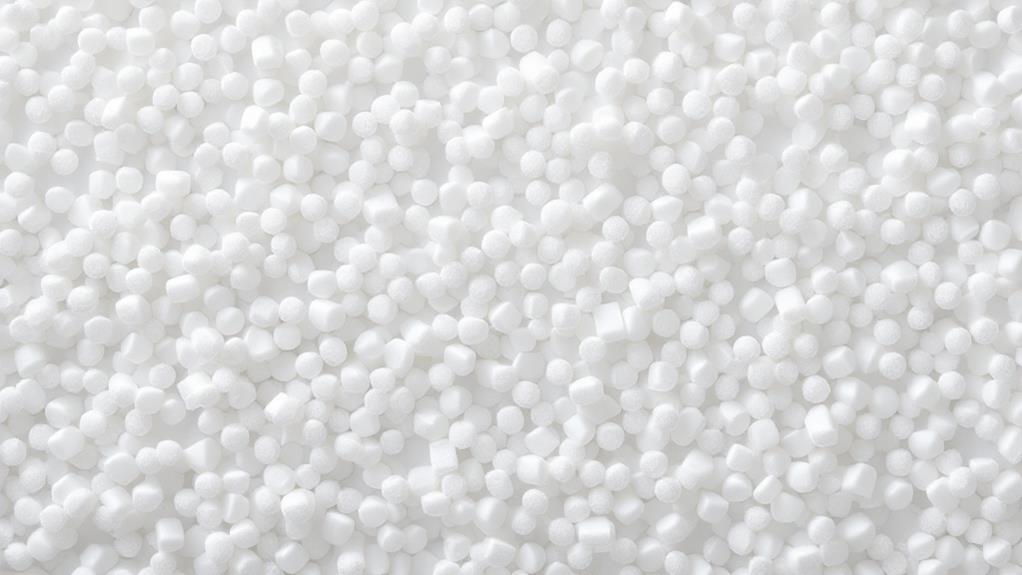
The manufacturing process of expanded polystyrene foam begins with small beads of polystyrene resin. These raw materials are vital as they contain a blowing agent, typically pentane, that helps in the expansion process. Initially, you pre-expand these beads using steam, causing them to swell up to 40 times their original size. This step is significant as it creates the lightweight structure EPS is known for. Thermocol, a similar material, also undergoes a similar initial heating process to achieve its lightweight and durable properties thermocol's manufacturing process.
Once pre-expanded, the next step involves maturing the beads to allow air to replace the evaporated blowing agent inside. This guarantees stability and prepares them for molding. In the molding stage, you'll use specific production techniques to shape the EPS into blocks or desired forms. Beads are placed into molds and exposed to steam again, causing them to fuse together. This fusion forms a solid, yet lightweight, structure.
Key Properties
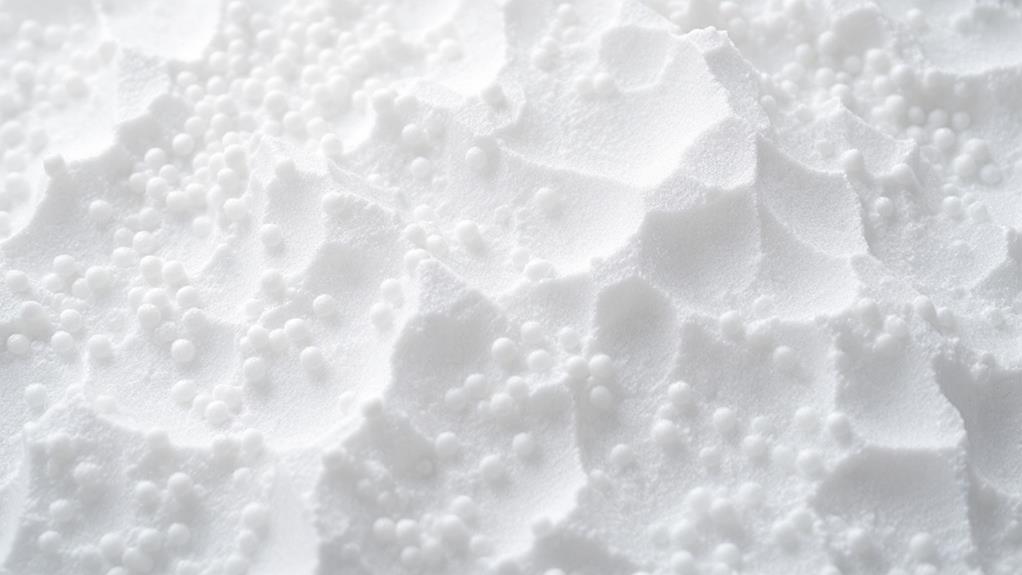
Understanding the manufacturing process lays the groundwork for appreciating the key properties of expanded polystyrene foam. EPS foam stands out because of its exceptional thermal insulation capabilities. When you use it, you'll notice how it effectively reduces heat transfer, making it a top choice for keeping environments warm or cool as needed. This property not only contributes to energy efficiency but also helps in maintaining a comfortable atmosphere in different settings.
Another important property of EPS foam is that it's a remarkably lightweight material. You'll find that its low density doesn't compromise its strength and durability. This makes it perfect for applications where reducing weight is vital without sacrificing performance. The lightweight nature of EPS also simplifies handling and installation, saving you time and effort during projects.
EPS foam is also highly resistant to moisture and biological degradation. This means you won't have to worry much about mold or mildew affecting its integrity over time. Its stability in different environmental conditions guarantees long-lasting performance. These properties, combined with its cost-effectiveness, make EPS foam a flexible and reliable choice in a variety of situations where insulation and lightweight materials are needed.
Common Applications
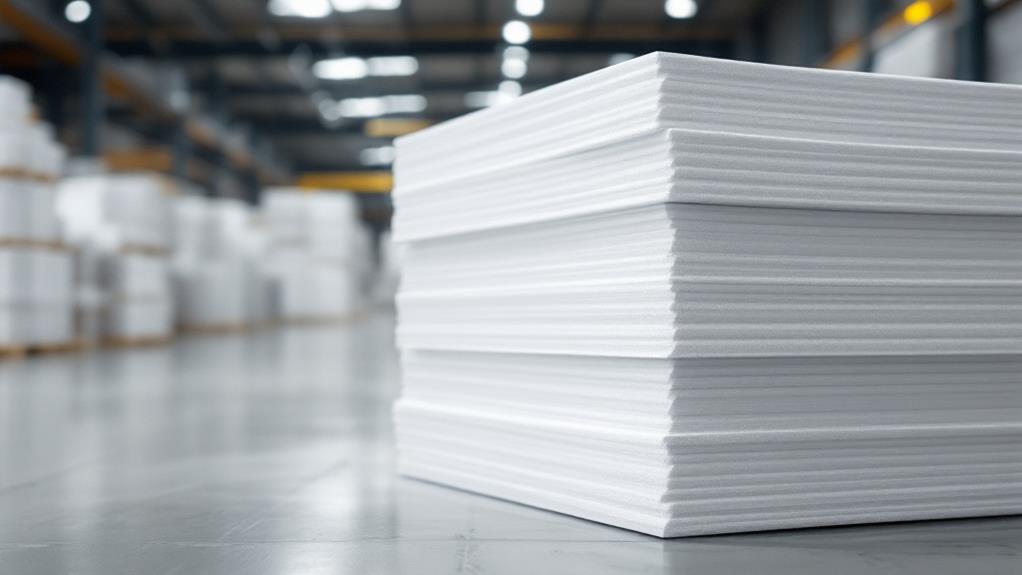
Due to its versatile properties, expanded polystyrene foam finds its way into a wide range of applications. You'll often encounter EPS foam in packaging solutions. It's lightweight yet sturdy, making it perfect for protecting fragile items during shipping. Regardless of you're sending electronics, glassware, or even food, EPS foam offers excellent cushioning and shock absorption, ensuring your items arrive intact. Its ability to form custom shapes means you can tailor the packaging to fit any product snugly.
EPS foam also excels as insulation material in the construction industry. If you're looking to improve the energy efficiency of your home, EPS foam insulation can help. It provides excellent thermal resistance, keeping interiors warm in winter and cool in summer. You can use it in walls, roofs, and floors, reducing energy consumption and, consequently, your utility bills.
Additionally, EPS foam is commonly used in creating lightweight yet durable building components, like insulated concrete forms and structural insulated panels. It's resistant to moisture and decay, which means it'll last for years without needing replacement. By choosing EPS foam for your insulation needs, you're making a smart investment in both quality and sustainability.
Environmental Impact

While EPS foam offers impressive versatility in diverse applications, it's crucial to consider its environmental impact. You might find it surprising that EPS foam presents significant recycling challenges. Its lightweight and bulky nature often makes it economically unfeasible to transport for recycling. Consequently, much of it ends up in landfills, contributing to long-term environmental issues. To address these concerns, consider the following points:
- Limited Recycling Facilities: Many recycling centers don't accept EPS foam due to its cumbersome nature and low market value. This limits your options for responsible disposal.
- Non-Biodegradability: EPS foam takes hundreds of years to decompose. It breaks into smaller pieces, often mistaken for food by marine life, causing significant harm to ecosystems.
- Potential for Pollution: During production and disposal, EPS foam can release harmful chemicals into the air and water, exacerbating environmental pollution.
- Sustainable Alternatives: Investigate eco-friendly options like biodegradable packaging materials or reusable containers. These sustainable alternatives can help reduce reliance on EPS foam.
Future Innovations
As we look ahead to the future of EPS foam, inventive approaches are paving the way for more sustainable solutions. You're likely aware of EPS foam's environmental issues, but don't worry—innovations are on the horizon. Recycling technologies are advancing rapidly, enabling more efficient processing of EPS waste. These technologies break down the foam into reusable materials, reducing the need for new raw materials and minimizing landfill contributions. You can expect these advancements to make recycling EPS foam more accessible and cost-effective, encouraging widespread adoption.
Biodegradable alternatives are another exciting development. Researchers are exploring materials that maintain EPS foam's lightweight and insulating properties but break down naturally over time. Imagine using a product that serves its purpose and then decomposes without harming the environment. These alternatives offer a promising solution to the long-term waste problem associated with traditional EPS foam.
Incorporating these innovations into everyday applications isn't just a dream—it's becoming a reality. By embracing recycling technologies and biodegradable alternatives, you can contribute to a future where EPS foam products are both functional and environmentally friendly. Stay informed and engaged, as these innovations have the potential to transform the way we use and dispose of EPS foam.