What Is Plastic Made Of? A Breakdown of Its Components
Plastics are made from a mix of raw materials, primarily fossil fuels like crude oil and natural gas. Recently, biodegradable alternatives from natural resources like corn starch are becoming popular. The core component of plastic is a polymer, which consists of long chains of monomers. These polymers form through a process called polymerization, which determines plastic types—thermoplastics or thermosetting, based on their reshaping abilities. Additives improve their properties, providing strength, flexibility, or UV resistance. Understanding these components reveals how plastics are carefully engineered for diverse applications, and there's much more to explore about their uses and impacts.
Raw Materials of Plastic
When you think about what plastic is made of, it all starts with the raw materials. Typically, plastics are derived from fossil fuels like crude oil and natural gas. These materials undergo a series of processes to become the plastic products you encounter daily. However, as environmental concerns grow, there's a shift towards biodegradable alternatives and sustainable sourcing. The goal is to reduce dependency on non-renewable resources and lessen plastic's environmental impact.
Biodegradable alternatives often use natural materials like corn starch or sugarcane. These resources are more eco-friendly because they come from renewable sources and can break down more quickly than traditional plastics. If you're considering these alternatives, you're supporting a reduction in long-lasting waste in the environment.
Sustainable sourcing also plays a significant role in raw material selection. It means using resources that are replenished quickly or managing extraction processes to minimize environmental damage. When industries prioritize sustainable sourcing, they help reduce the carbon footprint associated with plastic production. By considering these options, you're contributing to a more sustainable future and supporting innovation in material science.
Basic Chemical Structure
Understanding the basic chemical structure of plastic gives you insight into how these materials function and why they're so versatile. Fundamentally, plastics are made up of long chains of molecules called polymers, which consist of repeating units known as monomers. The monomer types used in creating a plastic can greatly affect its properties. For example, polyethylene, a common plastic, is made from ethylene monomers. By varying the monomer types, you can create plastics with different characteristics, such as flexibility, strength, or resistance to certain chemicals.
Plastics are composed of elements like carbon, hydrogen, and oxygen, which are vital to their structure and functionality, and their high molecular weight is a key factor in their performance. Environmental concerns arise due to the considerable amount of waste plastics contribute to municipal landfills. The molecular weight of these polymers also plays a significant role in determining the plastic's properties. Molecular weight refers to the total mass of the polymer's molecules. A higher molecular weight often means the polymer chains are longer, which can lead to increased strength and durability. Conversely, shorter polymer chains, or lower molecular weight, might result in a more flexible material. By understanding these aspects of the basic chemical structure, you can appreciate why plastics can be tailored for a wide range of applications, from packaging to automotive parts, and how they maintain such a dominant role in modern manufacturing.
Polymerization Process

The polymerization process is at the heart of transforming simple monomers into complex and useful plastics. When you explore this process, you're looking at how individual molecules, called monomers, bond together to form long, repeating chains known as polymers. This transformation is fundamental for creating the diverse polymer types that serve different purposes in our daily lives. Similar to how yeast plays a significant role in the bread-making process by facilitating fermentation's role in texture and volume, polymerization is critical for determining the properties of plastics.
During polymerization, you can either employ addition or condensation methods. In addition polymerization, monomers join without losing any molecules, while in condensation, they link with the release of small molecules, often water. Each method results in unique polymer structures, affecting their properties and potential applications.
Understanding polymer types is important because they determine the plastic's characteristics. For example, some polymers are flexible, making them perfect for applications like packaging and containers. Others might be more rigid, suitable for construction materials or automotive parts. The versatility in polymer applications stems from how they're engineered during the polymerization process.
Types of Plastics
With the foundation of polymerization laid out, it's clear how this process influences the vast array of plastic types we use daily. Understanding plastic classification helps identify the right kind for specific needs. For instance, biodegradable plastics are designed to break down more easily in the environment, offering sustainable alternatives to traditional plastics. These often use bio based polymers derived from renewable resources like corn starch, which lessen their ecological footprint.
When it comes to durability and strength, engineering plastics stand out. They're used in industrial applications where materials must endure high stress and temperatures. These high performance plastics offer exceptional properties, making them ideal for automotive parts, electrical components, and even medical devices.
Composite materials, which combine plastics with other materials like glass or carbon fibers, improve the physical properties of the base plastic. This results in lighter, stronger, and more flexible products suited for specialized uses.
Thermoplastics vs. Thermosetting
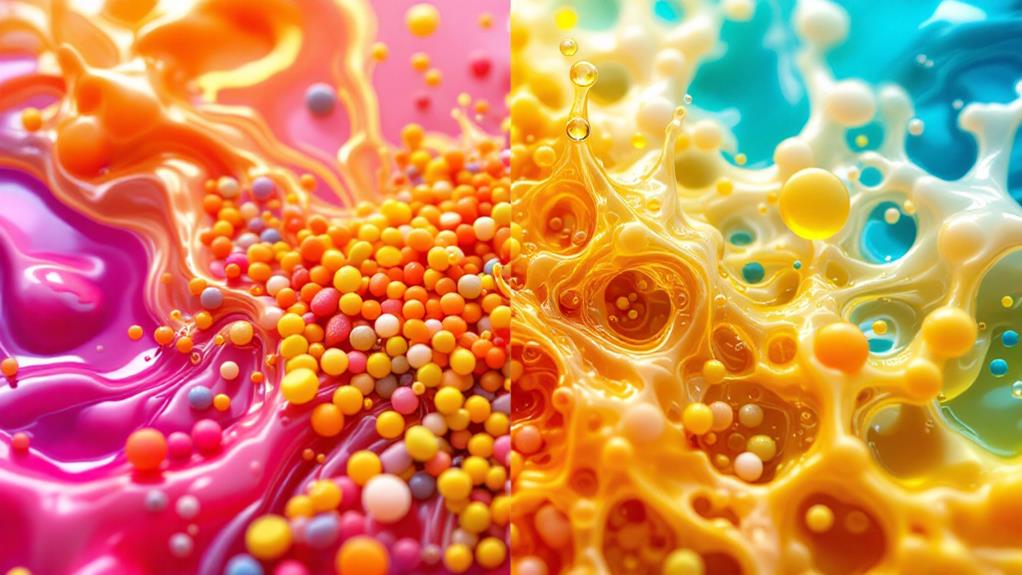
How do thermoplastics and thermosetting plastics differ in their behavior and applications? Thermoplastics and thermosetting plastics are two distinct categories, each with unique characteristics and uses. Thermoplastic properties allow them to be heated, melted, and reshaped multiple times without altering their chemical structure. This makes them highly versatile and recyclable. Common examples include polyethylene and polystyrene, which are used in packaging, bottles, and toys. Their ability to be remolded makes thermoplastics ideal for applications where flexibility and reusability are vital.
On the other hand, thermosetting plastics behave quite differently. Once they're heated and set into a specific shape, they cannot be remelted or remolded. This irreversible process creates a rigid, heat-resistant structure, making them perfect for thermosetting applications such as electrical insulators, adhesives, and appliance parts. Epoxy resin and phenolic are examples of thermosetting plastics known for their durability and resistance to high temperatures.
Understanding the differences between these types of plastics is significant when selecting the right material for a specific task. Regardless of whether you need something flexible and recyclable or durable and heat-resistant, knowing the properties of thermoplastics and the applications of thermosetting plastics will guide your choice.
Additives and Fillers
In relation to improving the properties of plastics, additives and fillers play a significant role. You might wonder why they're so important. Well, they're used to boost plastic performance by altering its characteristics to meet specific needs. For instance, additives can increase durability, reduce flammability, or provide UV protection. Fillers, on the other hand, are materials added to plastics to strengthen, reduce weight, and even lower production costs. By incorporating these elements, manufacturers can tailor plastics to specific applications, ensuring they perform effectively in different environments.
When it comes to processing techniques, additives and fillers make a notable difference. They can modify the plastic's flow behavior during molding, making it easier to create complex shapes or reduce defects in the final product. Consider anti-static agents that help manage static electricity, or plasticizers that increase flexibility. Each additive and filler is carefully selected based on the desired outcome, helping you achieve the best achievable results.
Understanding the role of additives and fillers allows you to appreciate how versatile and adaptable plastics are. They're not just about the base polymers; it's these improvements that truly define their capabilities.
Environmental Impact
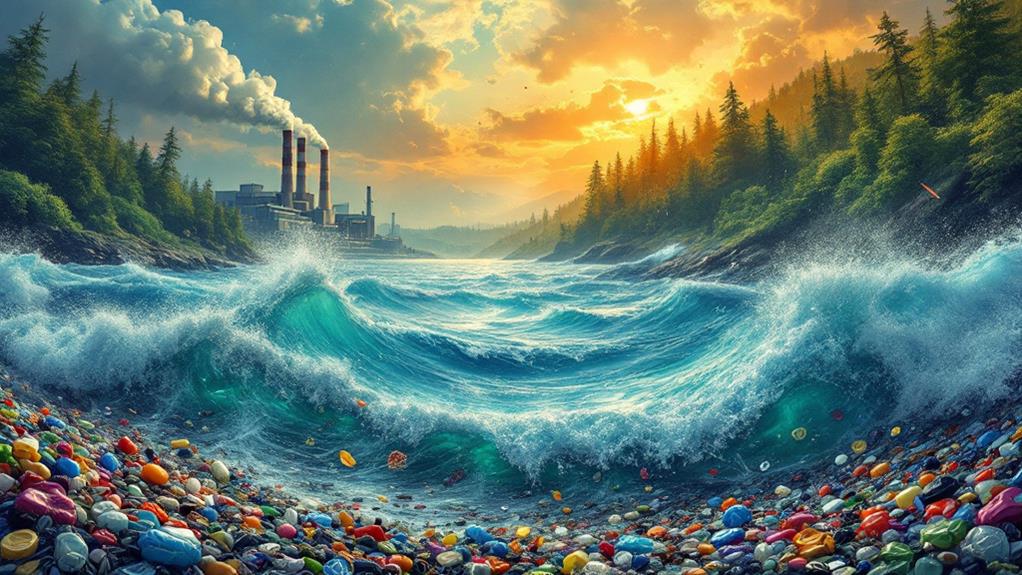
While additives and fillers improve the performance of plastics, they also contribute to the environmental challenges associated with plastic waste. You might notice how plastic pollution has become a pressing global issue, with marine debris choking our oceans and harming wildlife. These plastics don't break down easily, and their additives can leach into ecosystems, amplifying their ecological footprint.
To combat this, you can support biodegradable alternatives that promise to reduce long-term environmental damage. These alternatives aim to diminish the wildlife impact by breaking down more naturally and quickly in the environment. However, they're not a complete solution yet, as they require specific conditions to degrade effectively.
Environmental regulations play a significant role in addressing plastic pollution. By enforcing stricter rules, governments can push industries toward more sustainable practices. You can also contribute by advocating for these regulations and supporting companies that prioritize sustainable practices and responsible waste management. This collective effort can help minimize the adverse effects of plastics on our planet.
Ultimately, reducing our ecological footprint requires a multifaceted approach. By staying informed and making conscious choices, you can help mitigate the environmental impact of plastics.
Recycling and Reusability
Recycling and reusability are fundamental components in the fight against plastic waste. As you navigate the world of waste management, understanding recycling methods can make a considerable impact. By participating in sustainable practices, you contribute to reducing plastic waste and promoting a circular economy. This means keeping materials in use for as long as possible, minimizing the need for new plastic production. However, reusability challenges arise, such as the degradation of plastic quality over time, making it imperative to seek eco-friendly alternatives whenever possible.
You might wonder how your actions can inspire change. Community initiatives play a key role in fostering awareness and encouraging collective efforts. When you support local recycling programs, you're not just discarding plastic correctly; you're part of a broader movement toward sustainability. By opting for products designed with reusability in mind, you're helping push manufacturers to adopt eco-friendly practices.
It's also significant to stay informed about new recycling methods and technologies. These advancements can improve the effectiveness of recycling and make sustainable living more accessible. Through mindful choices and active participation, you can greatly reduce plastic waste and contribute to a healthier planet.
Future of Plastic Innovation

As we consider the challenges of recycling and reusability, looking ahead to the future of plastic innovation becomes imperative. You might wonder how the industry can evolve to meet sustainability goals. The answer lies in several emerging trends and technologies. Here's what to keep an eye on:
- Biodegradable Alternatives: Companies are investing in biodegradable plastics that break down naturally, reducing environmental impact. These materials offer a promising solution to the plastic waste problem.
- Sustainable Innovations and the Circular Economy: Embracing a circular economy means rethinking how we use resources. By designing products with their end-of-life in mind, you can contribute to a system where materials are reused or recycled, minimizing waste.
- Bioplastics Development and Eco-Friendly Materials: Bioplastics, derived from renewable sources like corn starch or sugarcane, are gaining traction. These eco-friendly materials can help reduce dependency on fossil fuels and lower carbon footprints.
Advanced recycling technologies are also making waves, enabling the recovery of more types of plastics than traditional methods. As you investigate these innovations, consider how they can transform industries and drive the global shift toward sustainability. The future of plastic innovation is not only about creating better materials but also about fostering a more sustainable world.