What Is Plastic Pollution and Its Impact on the Planet?
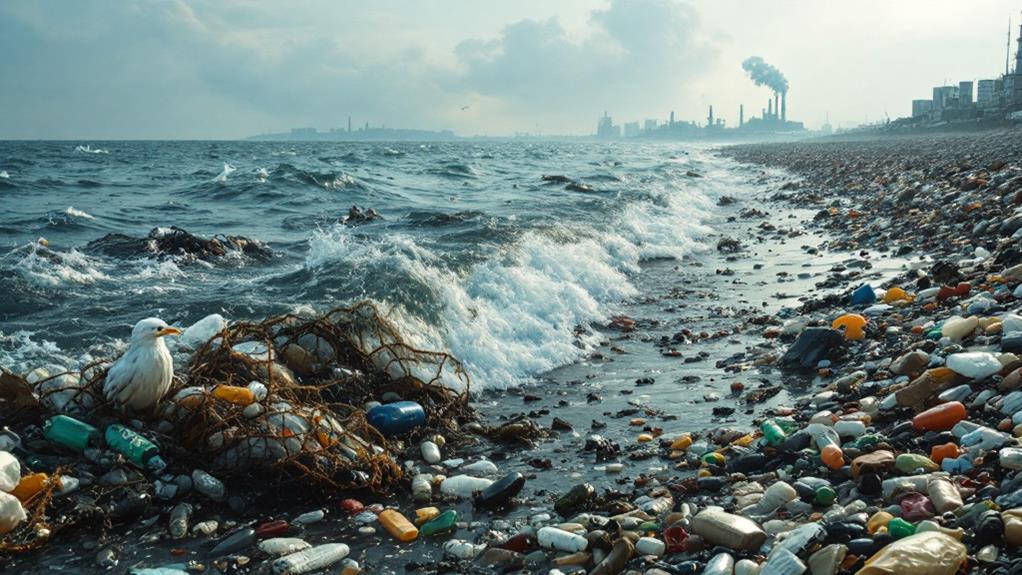
Plastic pollution is when plastic accumulates in the environment, disrupting ecosystems and posing health risks to wildlife and humans. It's mainly due to single-use plastics and poor waste management. This waste often ends up in oceanic gyres, like the Great Pacific Garbage Patch, affecting marine life severely. Microplastics enter food chains, posing potential risks to your health, and their production and disposal contribute to climate change by increasing greenhouse gas emissions. But there are solutions; supporting sustainable practices and better waste management can mitigate these impacts. Investigate how these strategies can make a difference in the global fight against pollution.
Definition of Plastic Pollution
Plastic pollution refers to the accumulation of plastic objects and particles in the Earth's environment, affecting wildlife, wildlife habitat, and humans. You see it everywhere—oceans, rivers, and even in the soil beneath your feet. It's more than just an eyesore; it disrupts ecosystems and poses health risks. To combat this growing threat, understanding its definition is vital. Plastic pollution results from the excessive production and inadequate disposal of non-biodegradable materials. These plastics persist for hundreds of years, breaking down into microplastics that infiltrate the food chain. The impact of pollution on ecosystems can be compared to the significant roles bees play in maintaining ecological balance, as both issues highlight the interconnectedness of environmental health and species survival the importance of bees in ecosystems.
To tackle the issue, you might wonder about solutions like biodegradable alternatives and recycling innovations. Biodegradable alternatives offer a way to reduce long-term environmental impact by breaking down more quickly, thereby lessening the burden on natural habitats. Meanwhile, recycling innovations aim to transform plastic waste into reusable materials. These innovations are imperative, as they help reduce the amount of new plastic entering the environment.
Sources of Plastic Waste
From within our households to beyond the manufacturing plants, sources of plastic waste are numerous and varied. Your daily activities contribute markedly, with single-use plastics like bags, bottles, and packaging leading the charge. In addition to these common sources, the production processes and the lack of effective waste management systems further exacerbate the problem, as noted in countries where the historical context of waste management is still evolving. While plastic recycling is an option, it's often not enough due to inefficient waste management systems and low rates of participation. You can make a difference by adopting biodegradable alternatives and supporting brands that prioritize sustainable practices.
Consumer behavior plays a huge role in the generation of plastic waste. By choosing products with minimal plastic packaging and reusing items when possible, you can reduce your plastic footprint. At a larger scale, corporate responsibility is vital. Companies need to shift towards sustainable practices, investing in materials that are less harmful to the environment.
Legislative measures can also help curb plastic waste. Laws that ban certain single-use plastics or mandate recycling can drive notable change. Public awareness campaigns are fundamental in influencing both individual and corporate actions. When you're informed about the impacts of plastic pollution, you're more likely to advocate for and adopt practices that reduce waste. Remember, small changes in your habits can lead to considerable environmental benefits.
Oceanic Plastic Gyres
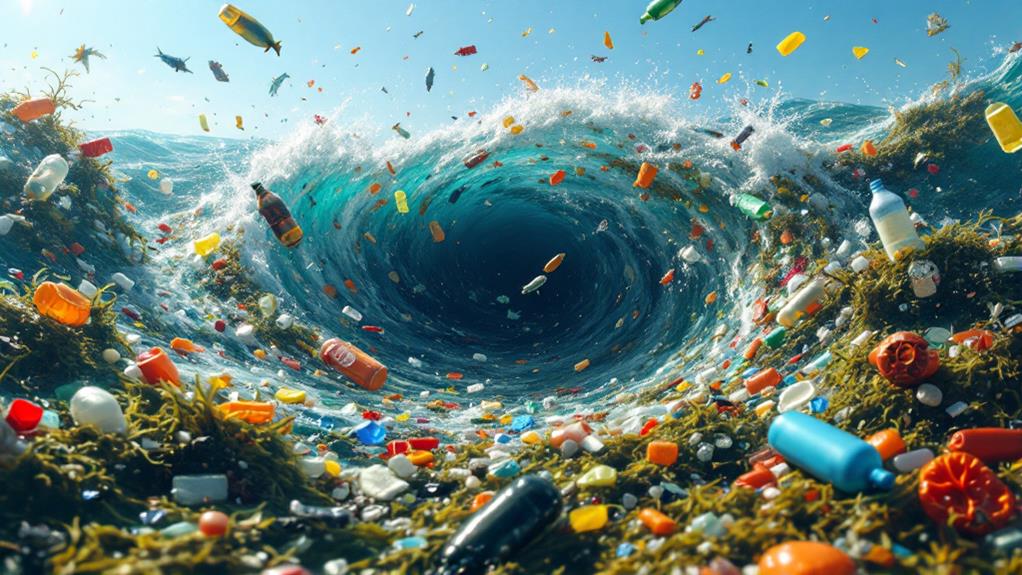
Floating debris fields known as oceanic plastic gyres represent one of the most alarming consequences of plastic pollution. You might not realize it, but ocean currents play a huge role in forming these gyres. These currents gather marine debris, like plastic, into massive circulating systems. As a result, plastic accumulation becomes concentrated in specific areas of the ocean. These areas are pollution hotspots that pose significant threats to oceanic ecosystems.
To understand the severity of this issue, you can look into gyre research. Scientists use environmental monitoring to study the scope and impact of these plastic gyres. They've unearthed that there are five major gyres worldwide, with the Great Pacific Garbage Patch being the most notorious. This research is vital because it helps identify the scale of pollution and its growth over time.
When you consider the gyre formation process, it becomes clear that the problem isn't going away by itself. Ocean currents continuously contribute to the spread of marine debris. By staying informed and supporting ongoing research, you can help drive solutions that address these pollution hotspots. It's an essential step in preserving the planet's oceanic ecosystems for future generations.
Impact on Marine Life
The staggering amount of plastic in our oceans affects countless marine species, altering ecosystems in profound ways. You'll find that fish, turtles, and seabirds often mistake plastic debris for food, leading to plastic ingestion. This can cause internal injuries, starvation, or even death. When marine creatures consume plastic, it disrupts the food web, affecting predator-prey dynamics and causing a ripple effect throughout the ecosystem.
Moreover, plastic pollution leads to habitat disruption. Coral reefs, essential for marine biodiversity, can be smothered by plastic waste, leading to their degradation and loss of critical habitats for many species. As these habitats deteriorate, so does the ecological balance, with some species facing reproductive issues due to exposure to harmful chemicals leached from plastics. These reproductive issues can contribute to species extinction, further destabilizing the ecosystem.
Behavioral changes are another consequence of plastic pollution. Sea creatures might alter their feeding and mating behaviors, impacting their survival rates. When the natural behaviors of these creatures are disrupted, it can lead to imbalances in marine populations. By understanding these impacts, you can see the urgent need for addressing plastic pollution to preserve marine life.
Microplastics in the Food Chain
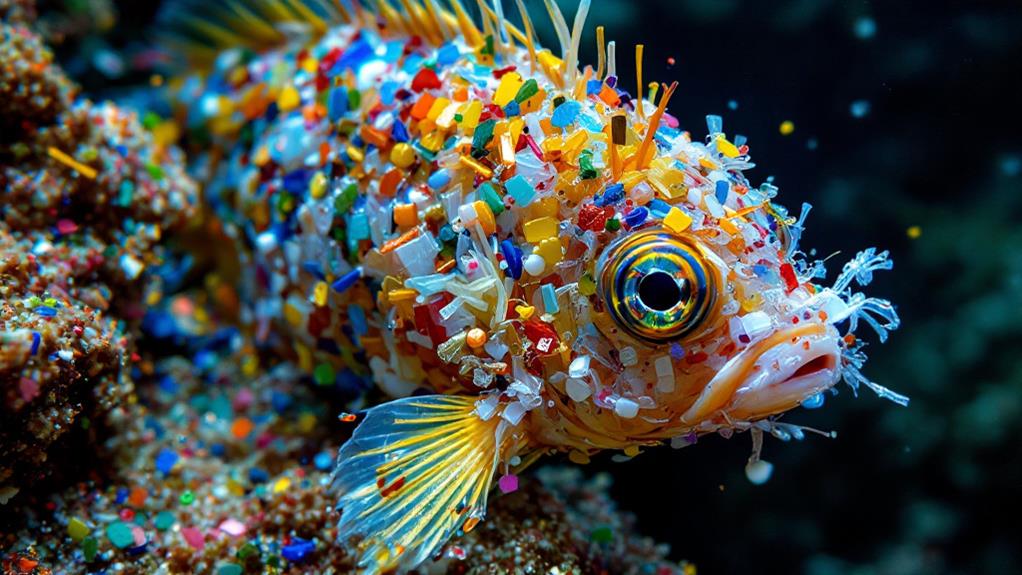
Often overlooked, microplastics infiltrate the food chain in more ways than you might expect. These tiny plastic particles, less than five millimeters in size, find their way into the environment through degrading larger plastic items and synthetic fibers. Once in the water, marine organisms, from plankton to fish, ingest these particles, leading to microplastic contamination. When small creatures eat microplastics, they pass these particles up the food chain, causing food web disruption that affects even the largest predators.
You might not realize it, but when microplastics enter the food chain, they can travel all the way to your dinner plate. Fish and shellfish are common carriers of microplastics, and when you consume them, you're also consuming the tiny particles they've ingested. This process doesn't just affect marine life; it impacts terrestrial animals and plants as well. If animals grazing on contaminated soil ingest microplastics, these particles can move through the terrestrial food web, affecting a wide range of species.
In a world increasingly reliant on seafood and agriculture, understanding microplastic contamination and food web disruption is significant. Recognizing how microplastics spread helps you consider your choices and their broader environmental impact.
Human Health Concerns
Consider the potential risks microplastics pose to human health as they infiltrate more than just our environment. You might not realize it, but these tiny particles can lead to significant health risks. When inhaled, microplastics can cause respiratory issues, potentially aggravating conditions like asthma. Their presence in the air and water contributes to skin irritation for some individuals, exacerbating allergies or dermatitis.
The health risks extend beyond surface-level problems. Microplastics may interfere with your body's hormonal balance, leading to endocrine disruption. This disruption can affect reproductive health, posing risks to fertility and development. Moreover, there's growing concern about neurological effects, as these particles might influence brain function and behavior.
Your immune response could also be compromised. Microplastics might trigger inflammatory reactions, making you more susceptible to infections and diseases. In addition, the psychological impact of living in a world increasingly polluted by plastics can't be ignored. Concerns about contamination and long-term health effects can lead to anxiety and stress.
Effects on Ecosystems
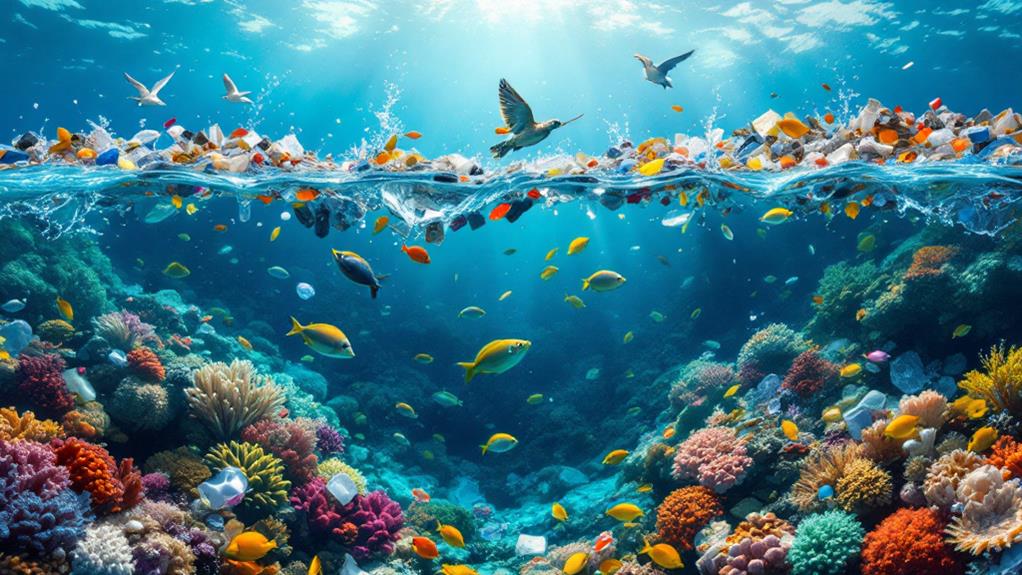
Imagine the intricate web of life that microplastics are disrupting in ecosystems across the globe. These tiny particles threaten ecological balance, leading to biodiversity loss and habitat destruction. As they infiltrate ecosystems, they disrupt food webs and reduce pollution resilience, making it harder for nature to recover from other environmental stresses. When microplastics invade, they can even aid invasive species, which further complicates ecological dynamics.
Consider the following impacts:
- Biodiversity Loss: Microplastics contribute to the decline of species, reducing the variety of life that supports ecosystem services.
- Habitat Destruction: Accumulation of plastic waste alters natural habitats, making them uninhabitable for native species.
- Species Extinction: As food webs break down, some species face extinction, disrupting the entire ecosystem.
Moreover, plastics can absorb toxins, which then enter the food web, affecting organisms at every level. This contamination threatens essential ecosystem services, such as clean water, air purification, and soil fertility. Your awareness of these issues is vital because it highlights how interconnected our environment is. By understanding the damage plastic pollution causes, you can advocate for changes that protect and restore these invaluable ecosystems before it's too late.
Contribution to Climate Change
In conjunction with wreaking havoc on ecosystems, plastic pollution considerably contributes to climate change. You might not realize it, but the production and disposal of plastic greatly increase the planet's carbon footprint. From the extraction of fossil fuels to the manufacturing process, each step emits considerable greenhouse gases. These emissions intensify the greenhouse effect, causing global temperatures to rise and disrupting climate patterns.
When plastics are incinerated, they release even more carbon dioxide and other pollutants into the atmosphere. This not only worsens air quality but also accelerates climate change. As a result, your choices in managing plastic waste can make a difference. By supporting and using advanced recycling technologies, you can help reduce the carbon emissions associated with new plastic production.
These technologies help to break down plastic more efficiently, saving energy and resources while minimizing environmental impact. It's crucial that you remain aware of how personal and collective actions contribute to the larger issue of climate change. By reducing plastic use and advocating for better recycling practices, you can play a role in decreasing the carbon footprint associated with plastic pollution, thereby mitigating its impact on climate change.
Strategies for Mitigation
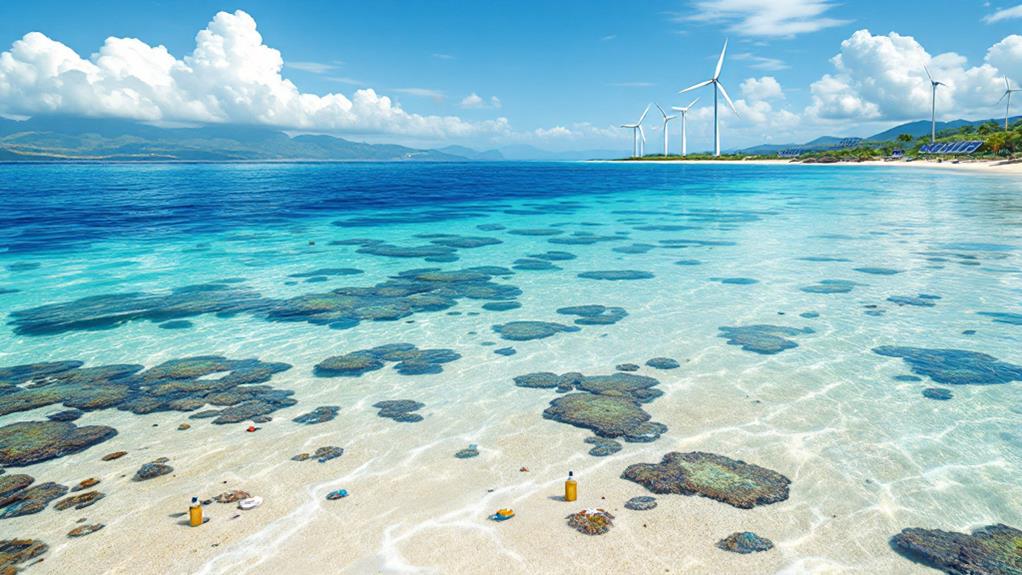
To tackle the pervasive issue of plastic pollution, multiple strategies for mitigation can be employed at numerous levels—from individual actions to global policies. You play a significant role in reducing plastic waste by embracing consumer responsibility. This means making conscious choices to minimize plastic usage, like opting for reusable bags and bottles. On a broader scale, recycling advancements are important. Progress in technology can transform how we process plastics, making recycling more efficient and accessible. It's necessary to support businesses and policies that prioritize sustainable practices and creative recycling methods.
Consider these strategies to mitigate plastic pollution:
- Adopt recycling advancements: Support and advocate for new technologies that improve recycling efficiency and increase the types of plastics that can be recycled.
- Exercise consumer responsibility: Make informed decisions to reduce plastic consumption, choosing products with minimal packaging and supporting brands committed to sustainability.
- Advocate for policies: Encourage local and national governments to implement stricter regulations on plastic production and waste management.