What Is Styrene?
Styrene is a colorless liquid compound with a sweet smell, formula C8H8, used extensively in making plastics like polystyrene. You'll find it in consumer electronics, automotive parts, and packaging materials. It's made by dehydrogenating ethylbenzene, often requiring high temperatures and catalysts. While versatile, it's crucial to handle styrene safely due to potential health risks like respiratory irritation and its possible cancer risk. Environmentally, it poses challenges like air pollution and slow biodegradation. By learning more, you'll uncover how safety measures, regulatory frameworks, and sustainable practices are shaping its future in varied industries.
Understanding Styrene's Composition
Styrene is a simple yet vital chemical compound that you'll find in a wide range of everyday products. Understanding styrene's composition is fundamental to grasp its significance. At its core, styrene is an organic compound with the formula C8H8, consisting of a benzene ring bonded to an ethylene group. This structure gives styrene its distinct properties, such as being a colorless liquid with a sweet smell. It's also highly reactive due to the presence of the vinyl group, which allows it to polymerize easily. These styrene properties are foundational to its broad range of applications. Furthermore, the ability of adhesives to bond materials effectively can improve the performance of styrene-based products mechanical interlocking in various applications.
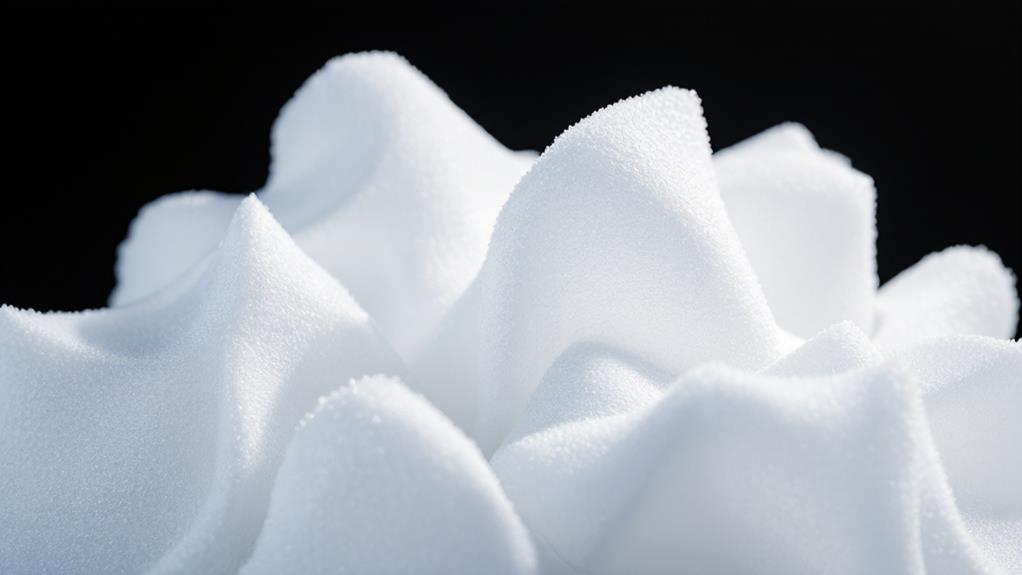
When exploring styrene applications, you'll see how its unique characteristics make it invaluable. The ability to polymerize means styrene can form polystyrene, a versatile plastic used in several industries. It serves as a building block for producing resins, rubber, and even certain types of insulation. In addition, its chemical stability makes it suitable for use in manufacturing processes where durability and adaptability are vital. So, when you consider the composition of styrene, you're not just looking at a chemical formula but understanding how its properties enable a variety of impactful applications across numerous fields.
Common Uses of Styrene
Investigating the composition of styrene reveals why it's a vital player in numerous industries. As you examine styrene applications, you'll see how adaptable this compound truly is. In the automotive industry, styrene is essential for manufacturing parts like bumpers, dashboards, and interior trim. Its lightweight yet durable nature makes it an ideal choice for creating energy-efficient vehicles. Notably, just as onions have been recognized for their health benefits over time, styrene's reputation has also evolved, with ongoing research focusing on safer alternatives and sustainable practices.
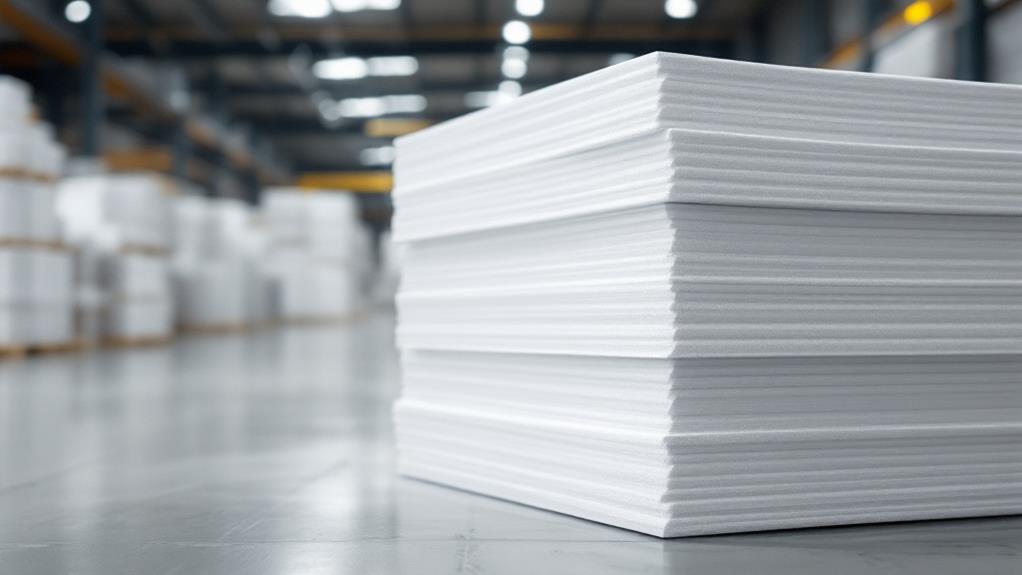
In the world of construction, styrene finds its place in insulation and piping. Expanded polystyrene, a derivative of styrene, is widely used for insulating buildings, reducing energy consumption, and maintaining temperature control. You'll also encounter styrene in everyday items like packaging materials. Polystyrene foam, commonly used in protective packaging, guarantees that goods remain undamaged during transport.
When examining everyday products, don't overlook styrene's role in consumer electronics, where it's used in the casings of different gadgets. However, it's worth noting that styrene alternatives are gaining attention, especially those derived from renewable resources. Biodegradable options and plant-based polymers are being developed to reduce environmental impact, offering greener choices. While styrene continues to play a significant role in multiple applications, investigating these alternatives might lead to more sustainable solutions.
Production Process of Styrene

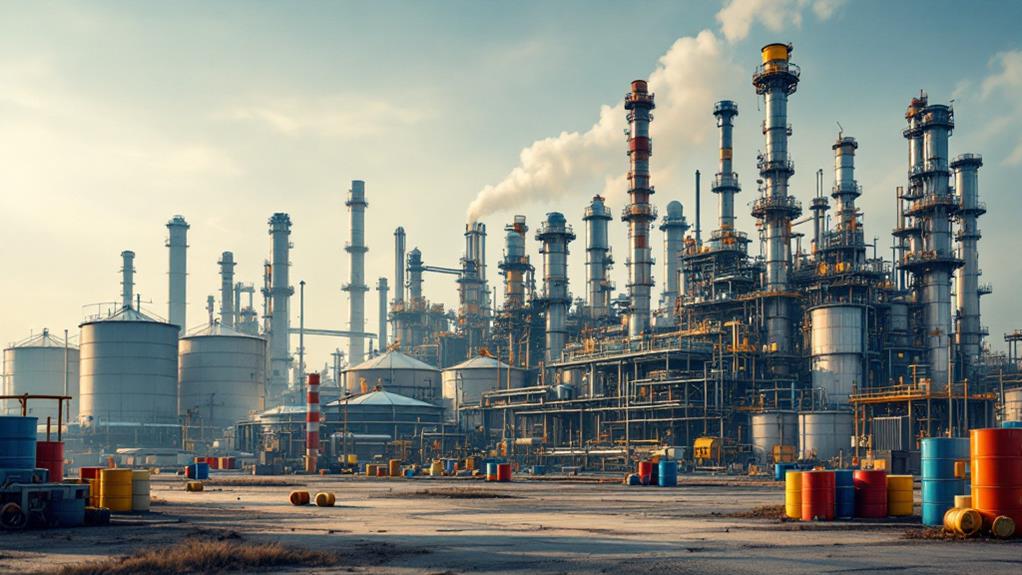
To understand how styrene is produced, let's investigate the key processes that transform raw materials into this adaptable compound. The expedition begins with ethylbenzene, which is the primary raw material used in styrene synthesis. Through a process called dehydrogenation, ethylbenzene is subjected to high temperatures and a catalyst, effectively removing hydrogen atoms and forming styrene. This method is favored for its efficiency and high yield, making it the most common way to produce styrene.
The production process isn't just about creating styrene; it also involves managing byproducts and improving quality. Modern facilities implement advanced technologies to recycle energy and reduce emissions, ensuring a sustainable operation. Once synthesized, styrene can be further processed into numerous styrene derivatives like polystyrene, ABS (Acrylonitrile Butadiene Styrene), and SBR (Styrene-Butadiene Rubber), broadening its applications across distinct industries.
Here's a quick overview of the styrene production process:
- Raw Material: Ethylbenzene is the main precursor.
- Dehydrogenation: Converts ethylbenzene to styrene.
- Catalyst Use: Catalysts boost efficiency.
- Energy Recycling: Increases sustainability.
- Derivative Production: Leads to a range of styrene derivatives.
Health Implications of Styrene
While styrene is a versatile compound with numerous industrial applications, it's essential to be aware of its potential health implications. Styrene exposure can occur through inhalation, skin contact, or ingestion, primarily affecting those working in industries using this chemical. Short-term exposure might cause irritation of the eyes, skin, and respiratory system. You might experience symptoms like headaches, dizziness, or fatigue if you're exposed to high levels.
Long-term exposure to styrene raises more serious health concerns. Styrene toxicity can impact the central nervous system, leading to more persistent issues such as cognitive impairments, hearing loss, and peripheral neuropathy. The International Agency for Research on Cancer (IARC) classifies styrene as a possible human carcinogen, meaning there's some evidence it could contribute to cancer risk, although more research is needed.
If you work in an environment where styrene exposure is a possibility, it's significant to use personal protective equipment (PPE) and follow safety protocols to minimize risks. Employers should guarantee proper ventilation and provide regular health screenings for workers. Staying informed about the potential health effects of styrene can help you make safer choices in your workplace.
Environmental Impact of Styrene

Styrene's impact on the environment can't be ignored, as it poses potential risks to air, water, and soil quality. When styrene pollution occurs, it can lead to diverse environmental challenges. Released into the air, styrene contributes to smog formation and can affect air quality. In water bodies, styrene can harm aquatic life, disrupt ecosystems, and contaminate drinking water sources. Soil contamination may also occur, affecting plant growth and soil health.
To better understand the environmental implications, consider the following:
- Air Quality: Styrene emissions contribute to air pollution and the formation of ground-level ozone.
- Water Contamination: Styrene spills or leaks can lead to long-lasting water pollution, affecting aquatic organisms.
- Soil Degradation: Contaminated soil can result in reduced agricultural productivity and biodiversity loss.
- Ecosystem Disruption: Styrene pollution can alter the balance of ecosystems, affecting both plant and animal life.
- Biodegradation Challenges: Although styrene biodegradation can occur, it often happens slowly and may require specific conditions.
Understanding these impacts helps you become more aware of the environmental challenges associated with styrene. It's essential to address styrene pollution through effective management and sustainable practices to minimize its ecological footprint.
Safety Measures and Regulations
Addressing the environmental impact of styrene requires a focus on safety measures and regulations that can mitigate its risks. You need to be aware of the regulatory frameworks and safety standards designed to minimize these risks and protect both human health and the environment. Governments and international bodies have established regulations to control styrene emissions and exposure levels. These regulatory frameworks guarantee that industries comply with safe handling, storage, and disposal practices for styrene.
To adhere to safety standards, you should implement engineering controls like proper ventilation systems to reduce airborne styrene concentrations. Personal protective equipment (PPE) is vital for workers handling styrene, including gloves, masks, and eye protection. Regular training on safe handling procedures and emergency response plans can further improve safety.
Additionally, monitoring and reporting styrene levels in the workplace and surrounding areas are significant. Compliance with environmental regulations, such as those set by the Environmental Protection Agency (EPA) and the Occupational Safety and Health Administration (OSHA), is mandatory. By understanding and following these regulations, you can guarantee a safer environment for everyone involved and contribute to reducing styrene's general environmental footprint.
Future of Styrene in Industry
Looking ahead, the future of styrene in industry hinges on innovation and sustainability. As you investigate the evolving landscape, you'll notice that styrene innovations are driving new applications while keeping environmental impact in check. Companies are focusing on greener production methods and recycling techniques to meet the rising demand for eco-friendly materials. Market trends highlight a shift toward bio-based styrene, which offers similar performance with a reduced carbon footprint.
To stay ahead, consider these key aspects:
- Sustainable Production: Adopt processes that minimize waste and reduce energy consumption.
- Recycling Initiatives: Invest in technologies that facilitate the recycling of styrene products, promoting a circular economy.
- Bio-based Alternatives: Examine bio-derived styrene solutions that maintain performance without relying on fossil fuels.
- Advanced Applications: Utilize styrene innovations in sectors like automotive and construction for lightweight, durable materials.
- Regulatory Compliance: Stay informed about regulations to guarantee your practices align with environmental standards.
You must adapt to these trends to secure your business thrives in the competitive market. By focusing on these areas, you can capitalize on the benefits of styrene while addressing sustainability concerns, ultimately leading your industry toward a more responsible future.