Why Thermocol Is Popular in Building Construction
You'll find that Thermocol is popular in building construction because it's incredibly lightweight and reduces foundation load, allowing for groundbreaking designs. It's an excellent insulator, which helps lower energy costs by maintaining consistent indoor temperatures. Installation is straightforward, reducing labor costs and making it accessible for less experienced workers. Thermocol's durability means it resists moisture, pests, and decay, maintaining its structural integrity over time. It's also affordable compared to traditional materials, offering great value. Thanks to its ease of customization and eco-friendly profile, it aligns with modern architectural trends. Uncover how these benefits make it a preferred choice.
Thermal Insulation Benefits
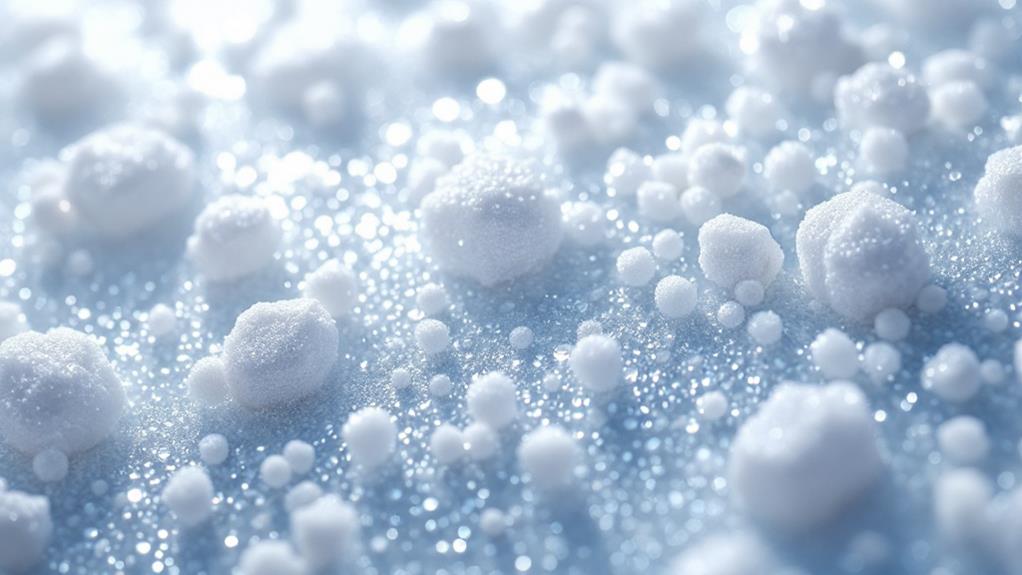
Thermocol, often referred to as expanded polystyrene (EPS), offers remarkable thermal insulation benefits that can considerably improve the energy efficiency of buildings. When you're comparing thermal conductivity, you'll find that EPS outperforms many traditional insulating materials. Its low thermal conductivity means it effectively reduces the transfer of heat, keeping interiors warm in the winter and cool in the summer. This efficiency not only boosts comfort but also reduces energy costs, making it a smart choice for eco-conscious homeowners. Furthermore, utilizing materials with low carbon emissions, such as thermocol, aligns with the principles of geothermal energy as a sustainable resource.
However, you should also be mindful of fire safety concerns. While thermocol is an excellent insulator, it's vital to verify it's installed with appropriate fire safety measures. EPS has been treated to resist ignition, but it's still a material that can potentially contribute to fire spread if not handled properly. To mitigate risks, make sure you integrate it with fire-resistant barriers or coatings. By doing so, you'll maintain the safety and integrity of your building while taking full advantage of thermocol's insulating properties. Proper installation and safety measures can effectively balance thermocol's benefits with the necessary precautions, confirming your building is both efficient and secure.
Lightweight Material Advantage
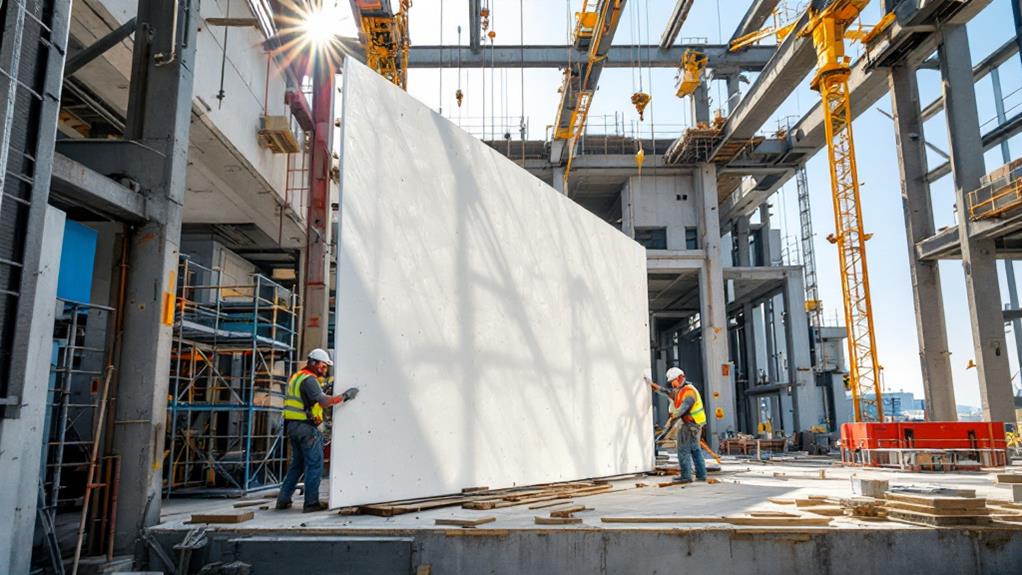
The ingenuity of using expanded polystyrene in building construction lies in its lightweight nature, transforming how structures are designed and built. You'll find that expanded polystyrene, or thermocol, reduces the load on foundations, allowing you to investigate creative architectural designs without compromising on stability. Its lightweight nature doesn't just ease the construction process but also offers practical benefits like improved fire safety and sound insulation. Furthermore, its exceptional insulation properties contribute to energy efficiency, making it a smart choice for eco-conscious builders.
When you're working with such a material, you're not just making construction easier; you're enhancing the safety of the building as well. Thermocol's fire-retardant properties provide an extra layer of protection, reducing the risk of fire hazards. It's crucial to look for materials that offer both functionality and safety, and thermocol excels in this regard.
In addition, its sound insulation capabilities are a boon in contemporary noisy urban environments. Using thermocol in walls and ceilings can considerably dampen external noise, creating a peaceful indoor atmosphere. This lightweight material guarantees that you don't have to sacrifice comfort for safety or design flexibility. By choosing expanded polystyrene, you're embracing innovation that meets current construction demands efficiently and effectively.
Cost-Effectiveness in Construction
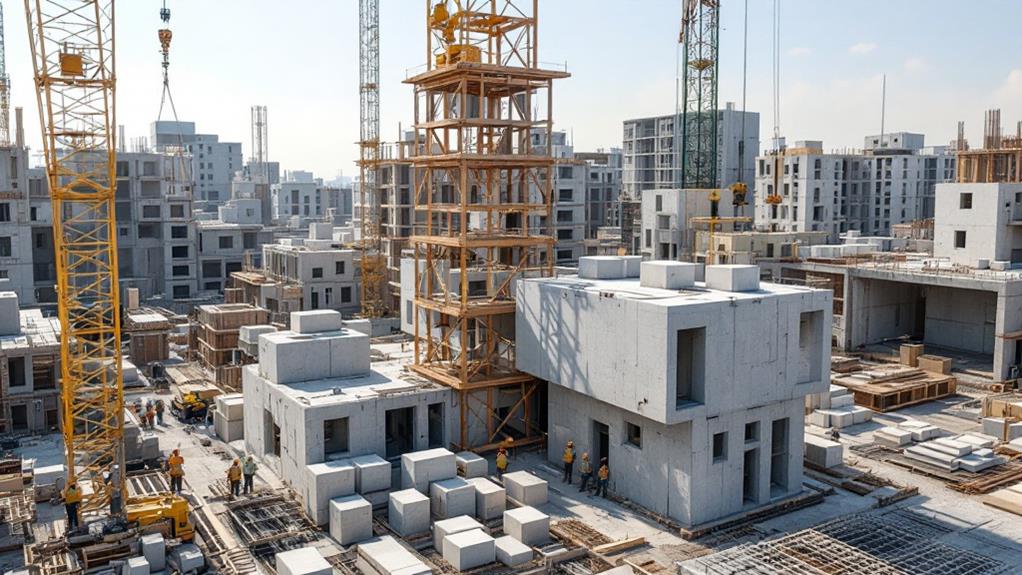
In regards to cost-effectiveness in construction, expanded polystyrene stands out as a game-changer. When you're working under budget constraints, finding materials that optimize value without compromising quality is vital. Thermocol, or expanded polystyrene, offers significant construction savings, making it an ideal choice for cost-conscious projects. Not only is it affordable, but it also delivers excellent insulation, reducing energy costs over time.
Consider these benefits:
- Affordable Material: Compared to traditional building materials, thermocol is considerably less expensive. This allows you to allocate funds to other important aspects of your project.
- Energy Efficiency: The insulation properties of thermocol can lead to long-term savings on heating and cooling. This contributes to lower utility bills, easing the financial burden over time.
- Reduced Labor Costs: Its lightweight nature means you can save on labor, as it requires less manpower to handle and install, even though we won't explore installation details.
- Durability and Longevity: Thermocol's resistance to moisture and pests guarantees that maintenance expenses remain low, resulting in further construction savings.
Ease of Installation
Imagine cutting down on construction time without sacrificing quality. Thermocol makes this possible with its straightforward installation techniques and significant improvement to labor efficiency. You don't need to be an expert to handle it, which means even less experienced workers can quickly learn how to install it effectively. This speeds up the process and reduces the likelihood of errors that could lead to costly setbacks.
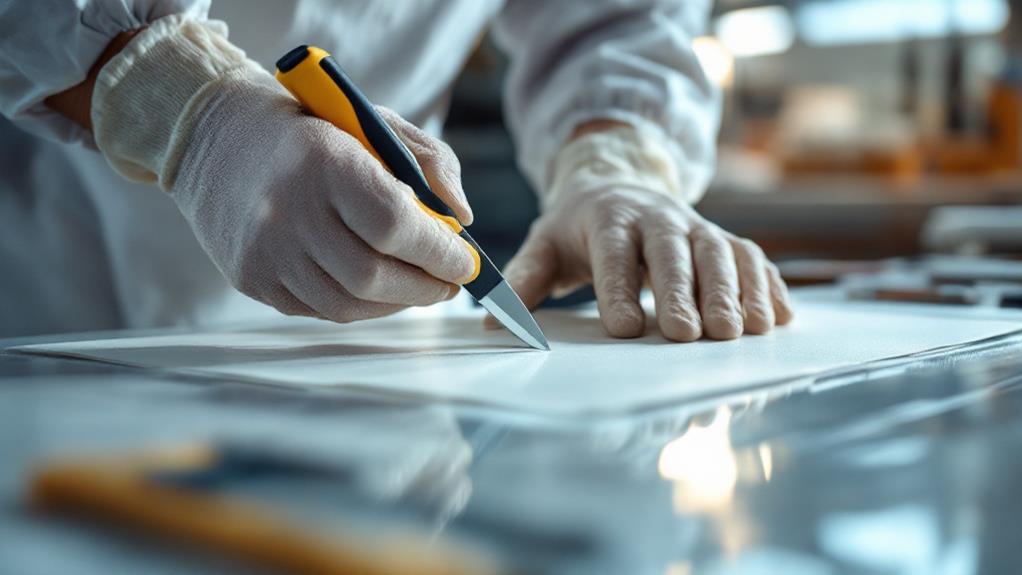
One of the main advantages of using Thermocol in building construction is its lightweight nature. Handling and maneuvering it is a breeze, enabling workers to move it around the site with minimal effort. The ease of cutting and shaping Thermocol to fit specific spaces also contributes to a streamlined installation process. You're not wrestling with heavy materials or needing specialized tools, which simplifies the workflow considerably.
With Thermocol, you can reduce the number of laborers needed on-site because tasks are completed more quickly and with greater accuracy. This doesn't just save time but also cuts labor costs, making your construction projects more cost-effective. By choosing Thermocol, you're opting for a material that improves labor efficiency, ultimately leading to a faster, more efficient construction timeline.
Durability and Longevity
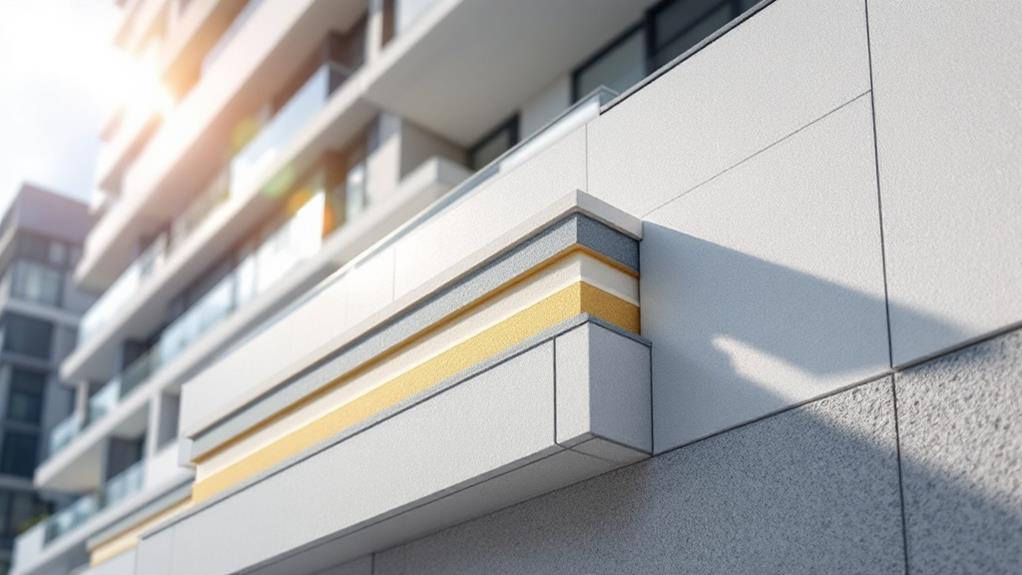
Beyond its ease of installation, Thermocol's durability and longevity make it a standout choice for building construction. You'll find that this material holds up remarkably well over time, maintaining its structural integrity even in demanding applications in construction. Thermocol's resilience stems from its inherent properties, which guarantee it withstands the tests of time and environment, reducing the need for frequent replacements or repairs. This longevity aligns perfectly with modern sustainability practices, as using materials that last longer helps reduce waste and conserve resources.
Consider these attributes of Thermocol that contribute to its durability:
- Resistance to decay: Unlike organic materials, it doesn't rot or degrade, assuring your structures remain intact.
- Stability under pressure: It holds its shape and strength even under significant loads, making it ideal for diverse construction needs.
- Thermal performance: Its insulating properties don't diminish over time, consistently providing energy efficiency.
- Lightweight yet robust: Despite being easy to handle, it maintains a strong resistance to wear and tear.
Incorporating Thermocol into your construction projects means embracing a material that supports longevity and aligns with sustainable construction practices, reducing the environmental footprint and promoting responsible building.
Moisture Resistance Qualities
In regards to moisture resistance, Thermocol excels in protecting structures from water damage. When you're looking for materials that offer reliable waterproof barriers, Thermocol stands out. Its closed-cell structure prevents water from seeping through, making it an ideal choice for areas prone to moisture exposure. Regardless of whether you're dealing with rain, humidity, or accidental spills, Thermocol keeps your building safe and dry.
You might wonder how Thermocol achieves such effective vapor control. The answer lies in its ability to act as a barrier against water vapor. This quality is vital in preventing condensation, which can lead to mold growth and structural damage. By incorporating Thermocol into your construction projects, you're taking a proactive step in safeguarding your building's integrity. It not only keeps moisture out but also maintains a consistent indoor environment by regulating vapor levels.
When you use Thermocol, you're investing in a material that offers long-term protection against the elements. Its moisture resistance qualities make it a preferred choice for architects and builders alike. So, when you're planning your next construction project, consider Thermocol for its unparalleled ability to keep moisture at bay, ensuring the longevity of your structure.
Energy Efficiency Contribution
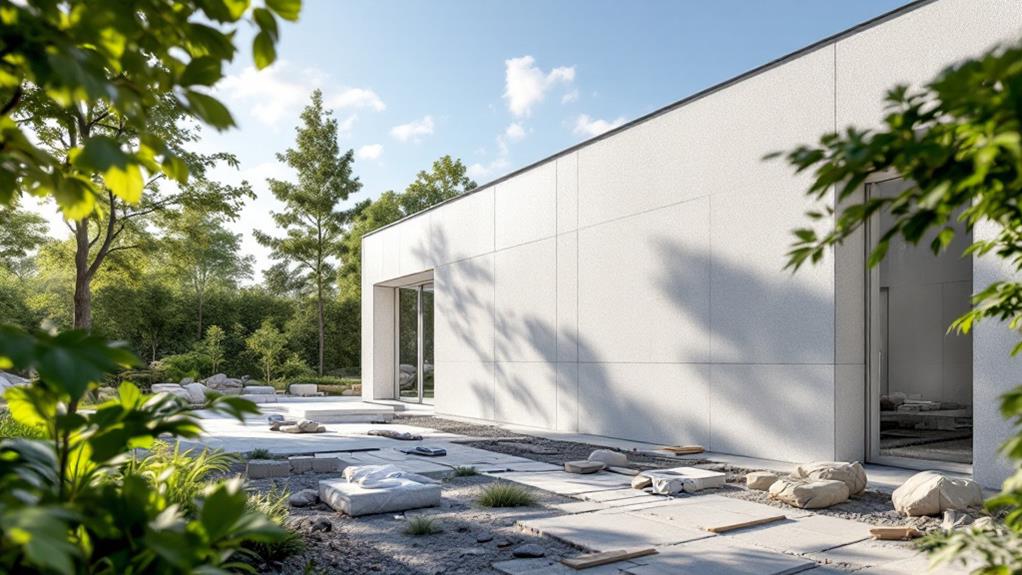
Thermocol greatly improves energy efficiency in building construction. When you use Thermocol, you're incorporating a material that's not only lightweight but also a powerhouse of insulation. This means your buildings maintain temperature control with minimal energy loss, aligning perfectly with modern sustainability practices. By enhancing a building's insulation standards, Thermocol helps reduce the reliance on heating and cooling systems, which in turn lowers energy consumption.
Here's how Thermocol contributes to energy efficiency:
- Superior Insulation: Thermocol's ability to trap air makes it an excellent insulator, keeping your building warm in winter and cool in summer.
- Reduced Energy Costs: By minimizing the need for artificial climate control, you can considerably cut down on energy bills.
- Eco-Friendly Choice: Using Thermocol supports sustainability practices by decreasing the carbon footprint associated with high energy use in buildings.
- Compliance with Standards: It meets and often exceeds current insulation standards, ensuring your building is up to date with energy efficiency regulations.
When you choose Thermocol, you're not just opting for a building material; you're committing to a future of energy efficiency and environmental responsibility.
Versatility in Design
While Thermocol's energy efficiency benefits are impressive, its role in design flexibility is likewise remarkable. You might be surprised by how versatile this material is in creating diverse architectural styles. Thanks to its lightweight nature, you can easily mold and shape Thermocol into intricate forms that improve your building's aesthetic appeal. Regardless of your aim for sleek modern lines or intricate classical details, Thermocol gives you the freedom to investigate creative possibilities without the constraints of heavier materials.
Imagine designing a space where curves, angles, and textures all come together seamlessly. With Thermocol, you can achieve this without compromising on structural integrity. Its adaptability allows you to integrate unique features like curved walls or decorative ceiling panels, adding a personal touch to any project. You don't have to sacrifice beauty for practicality when Thermocol is in play.
Moreover, Thermocol's design flexibility extends to its compatibility with other materials. You can combine it with wood, metal, or glass to create stunning contrasts and harmonious blends. This versatility opens doors to cutting-edge design solutions that cater to your vision. Ultimately, Thermocol empowers you to push the boundaries of conventional design, ensuring your construction projects stand out with unparalleled aesthetic appeal.
Environmental Impact Considerations
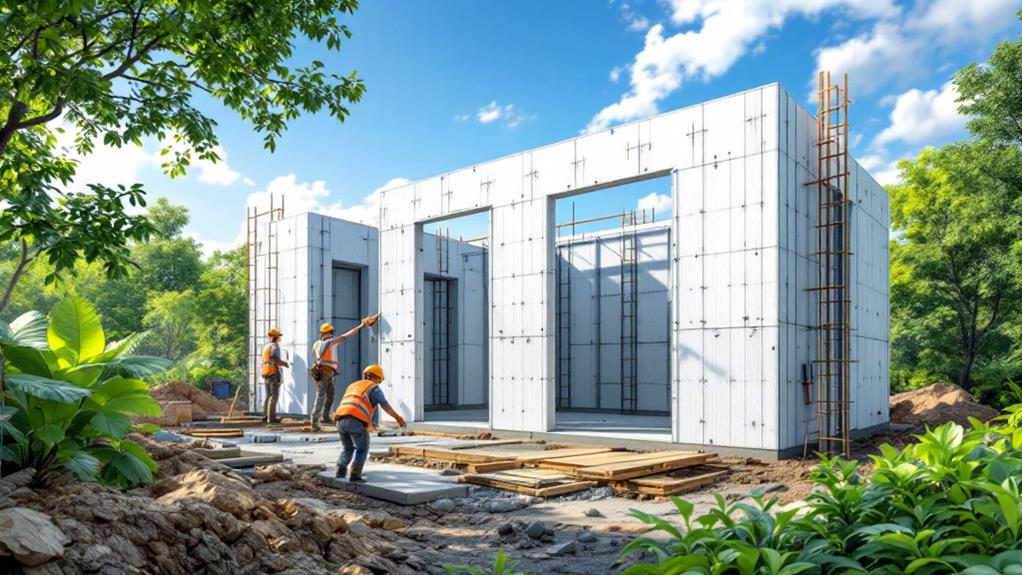
When considering Thermocol for your building projects, evaluating its environmental impact is essential. While Thermocol offers numerous benefits in construction, you should weigh these against its sustainability practices and recycling options. Thermocol's production process involves polystyrene, a material derived from petroleum, raising concerns about its carbon footprint. However, there are ways you can mitigate its environmental impact.
- Sustainability practices: Implementing energy-efficient production methods can reduce emissions and resource use.
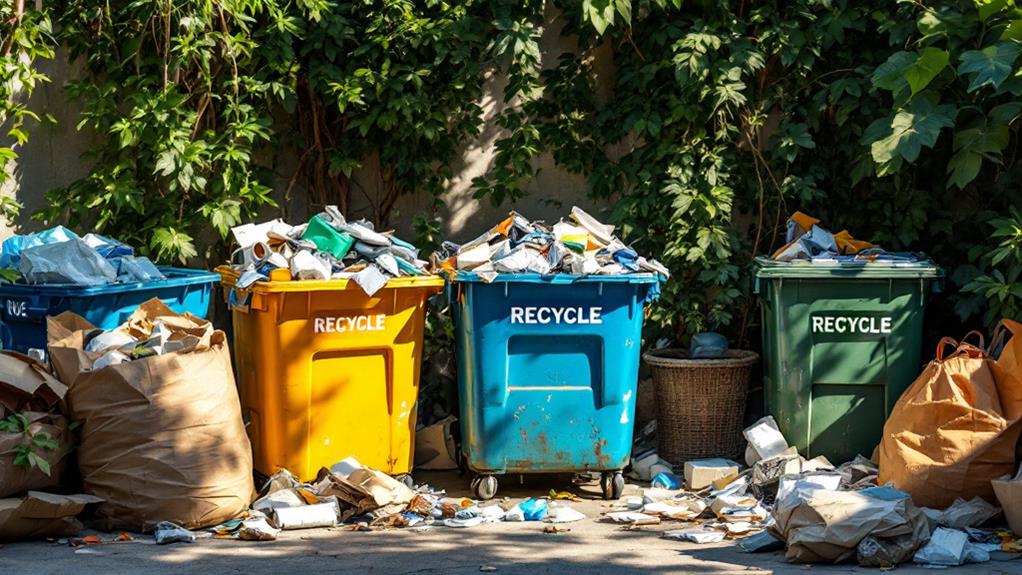
- Recycling options: While not as straightforward as other materials, Thermocol can be recycled through specialized facilities, helping to minimize waste.
- Waste management: Proper disposal practices prevent Thermocol from ending up in landfills or oceans, where it can persist for hundreds of years.
- Innovations in eco-friendly alternatives: Research into biodegradable or less harmful versions is ongoing, offering future potential to lessen environmental concerns.
Role in Modern Architecture
In the current building industry, groundbreaking materials like Thermocol play a significant role in shaping modern architecture. When you're planning a construction project, you want materials that offer both aesthetic appeal and functional benefits. Thermocol does just that. Its lightweight nature allows architects to experiment with cutting-edge designs without compromising on the structural integrity of the building. You can easily integrate Thermocol into diverse architectural elements, from decorative ceilings to intricate wall panels, enhancing the general beauty of your project.
Moreover, Thermocol's versatility doesn't stop at aesthetics. It offers excellent insulation properties, which are essential in modern architecture focused on sustainability and energy efficiency. By incorporating Thermocol, you not only achieve a sleek, modern look but also improve the building's energy performance. This dual benefit of aesthetic appeal and structural integration makes Thermocol a favored choice among architects and builders.
Additionally, Thermocol is easy to work with, enabling precise cutting and shaping, which allows for custom designs that cater to your specific architectural vision. As you investigate options for your next construction project, consider the transformative potential of Thermocol to redefine modern architectural standards.