What Is Tritan Plastic?
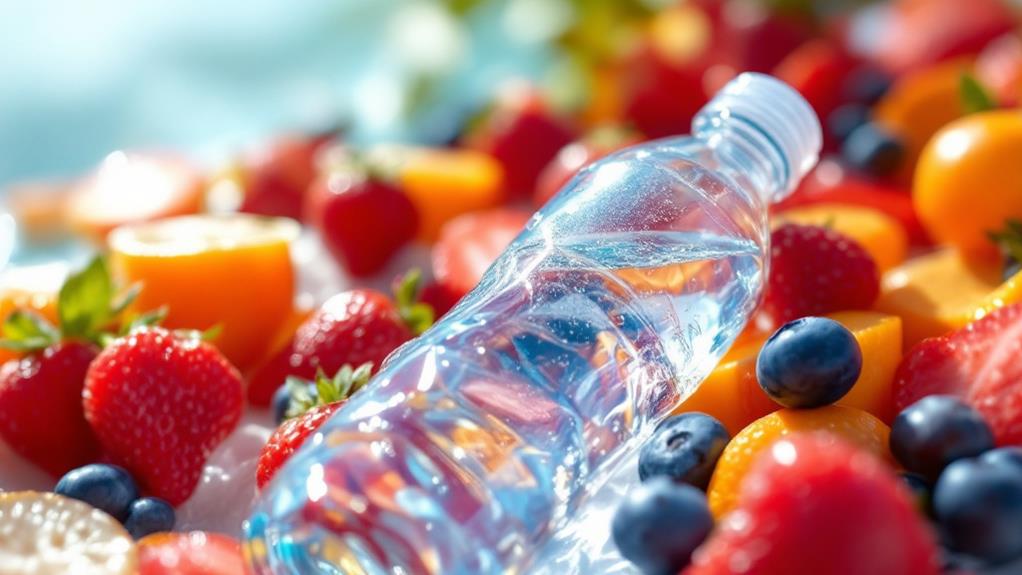
Tritan plastic is a high-performance material you'll find in many everyday items, like water bottles and baby products. It's known for being BPA-free, which prioritizes your health. This copolyester is loved for its clarity and impact resistance, making it a safer choice than traditional plastics. Tritan doesn't easily crack or discolor, ensuring your products stay looking new. Unlike some plastics, it doesn't retain odors or stains, which helps maintain hygiene. While its recycling process is limited, its durability reduces the need for frequent replacements. You'll soon learn more about its uses and care, enhancing your understanding.
Understanding Tritan Plastic
Understanding Tritan Plastic
Introduced as a safer alternative to traditional plastics, Tritan plastic has gained popularity for its unique properties. You might be wondering why Tritan has become such a popular choice. It's because of its durability, clarity, and resistance to odors and stains. Tritan's applications are vast, ranging from water bottles and food containers to medical devices and baby products. You'll find it used in places where safety and durability are top priorities. Its ability to withstand impact without cracking or breaking makes it ideal for everyday use, especially in households with children. Capsule composition highlights the importance of using safe materials, similar to Tritan's BPA-free nature.
Tritan innovations continue to push boundaries in the plastic industry. One of the most impressive innovations is its resistance to high temperatures without warping or leaching harmful chemicals. This makes it a favorite for kitchenware that needs to withstand both hot and cold conditions. By choosing Tritan products, you're opting for a material that combines the best of both worlds: safety and performance. It's also BPA-free, ensuring that your health isn't compromised. As you investigate Tritan's versatility, you'll appreciate how it meets the demands of modern living while maintaining a commitment to safety and sustainability.
Composition of Tritan
When exploring the composition of Tritan, you'll find it's a copolyester made from a unique blend of chemicals that sets it apart from other plastics. Tritan's composition primarily includes a combination of glycol-modified polyethylene terephthalate (PETG) and other proprietary monomers. This specific blend improves Tritan properties, making it distinctively durable and resistant to impact. Similar to how yeast plays an essential role in the fermentation process of bread-making, Tritan's formulation contributes to its resilience. As you investigate further, you'll realize that the absence of bisphenol-A (BPA) is a significant factor that distinguishes Tritan from other plastics, like polycarbonate.
Tritan manufacturing involves a detailed process where these monomers undergo polymerization. This creates long-chain molecules contributing to Tritan's strength and clarity. The manufacturing process is designed to optimize Tritan properties, ensuring it remains sturdy, clear, and resistant to heat and chemicals. Unlike traditional plastic manufacturing, Tritan's process focuses on sustainability and safety by eliminating potentially harmful chemicals.
Key Characteristics
Although Tritan plastic's unique composition already sets it apart, its key characteristics amplify its appeal even more. You might wonder why Tritan stands out among the myriad of plastics available today. One of its most remarkable traits is its exceptional durability. Through rigorous durability testing, Tritan consistently showcases its ability to withstand impacts and resist cracking. You can drop it, bump it, or even subject it to rough handling, and it stands strong where other plastics might fail. This makes Tritan a reliable choice for products that undergo frequent use, such as water bottles, kitchenware, and even medical devices.
Another impressive feature of Tritan plastic is its heat resistance. Unlike some plastics that warp or degrade under high temperatures, Tritan maintains its structural integrity. You can safely use it in dishwashers or with hot liquids without worrying about deformation or release of harmful substances. This heat resistance also means that Tritan retains its clarity and doesn't become cloudy over time, keeping your products looking new and pristine. By combining these robust characteristics, Tritan plastic offers a versatile, long-lasting solution for a variety of applications, making it a preferred choice in many industries.
Safety and Health Benefits
Because safety is a paramount concern when choosing materials that come into contact with food and beverages, Tritan plastic excels in offering peace of mind. You'll find that Tritan safety is one of its standout features, primarily because it's free from harmful chemicals like BPA, BPS, and other bisphenols. This makes it a safer alternative to traditional plastics that might leach these chemicals into your drinks or food, which can be detrimental to your health.
Tritan plastic is also incredibly durable, reducing the risk of breakage and the potential for injuries caused by shattered materials. Its resilience means you're not constantly replacing broken items, which not only saves you money but also minimizes environmental impact.
In terms of health advantages, Tritan's resistance to odors and stains guarantees that your containers won't harbor bacteria or unpleasant smells. This can be vital for maintaining a healthy lifestyle, as it keeps your food and beverages fresh and safe. Furthermore, Tritan is dishwasher safe, making it easy for you to clean and maintain, guaranteeing that harmful bacteria don't linger. By choosing Tritan, you're making a choice that prioritizes safety and health for you and your family.
Common Uses
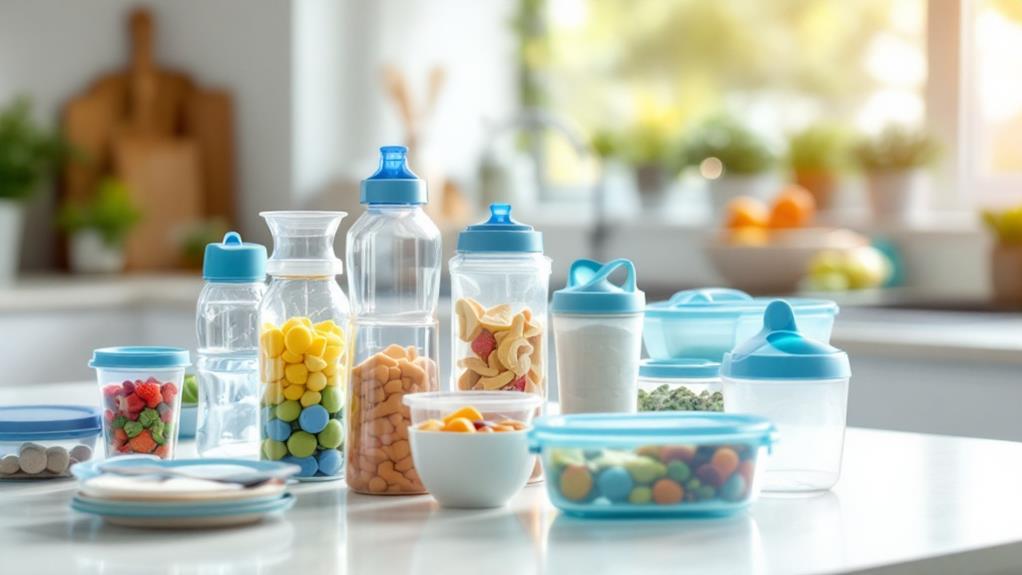
How is Tritan plastic commonly used in everyday life? You'll find it in a variety of products that make your daily routine easier and safer. One of the most popular uses is in water bottles. Tritan plastic's durability and clarity make it perfect for staying hydrated on the go. It's an eco-friendly alternative to single-use plastics, helping you reduce waste.
In the kitchen, Tritan plastic appears in food storage containers and kitchenware. These items are not only durable but also dishwasher safe, making cleanup a breeze. For parents, Tritan is a go-to for baby products like bottles and sippy cups because it's BPA-free and safe for little ones.
Athletes benefit from Tritan in sports equipment, where its lightweight and shatterproof nature prove invaluable. Medical devices also utilize Tritan due to its clarity and safety, ensuring that healthcare providers can rely on its performance.
When you travel, Tritan plastic shows up in travel accessories, offering durability without adding weight to your luggage. It's an ideal solution for those seeking eco-friendly alternatives without compromising quality. In general, Tritan plastic's versatile applications make it a staple in many aspects of modern life.
Environmental Impact
Tritan plastic's environmental impact is a topic worth exploring, especially if you're mindful of sustainability. Tritan, a popular choice for its durability and clarity, does present some sustainability concerns. One major issue is its recycling challenges. Unlike other plastics, Tritan isn't universally recyclable. Many recycling centers don't have the facilities to process it, which means Tritan often ends up in landfills. This can contribute to environmental degradation and increased waste.
If you're committed to reducing your environmental footprint, you might find Tritan's limited recyclability a significant drawback. While Tritan itself doesn't contain harmful chemicals like BPA, its long lifespan doesn't necessarily equate to eco-friendliness. Once disposed of, it can persist in the environment, posing a challenge for sustainable waste management.
Despite these concerns, Tritan still offers some benefits. Its durability means products last longer, reducing the need for frequent replacements. However, the difficulty lies in balancing its long-term usability with end-of-life disposal issues. Being aware of these recycling challenges helps you make informed decisions about the materials you use daily. By understanding Tritan's environmental impact, you can better align your choices with your sustainability goals.
Comparison With Other Plastics
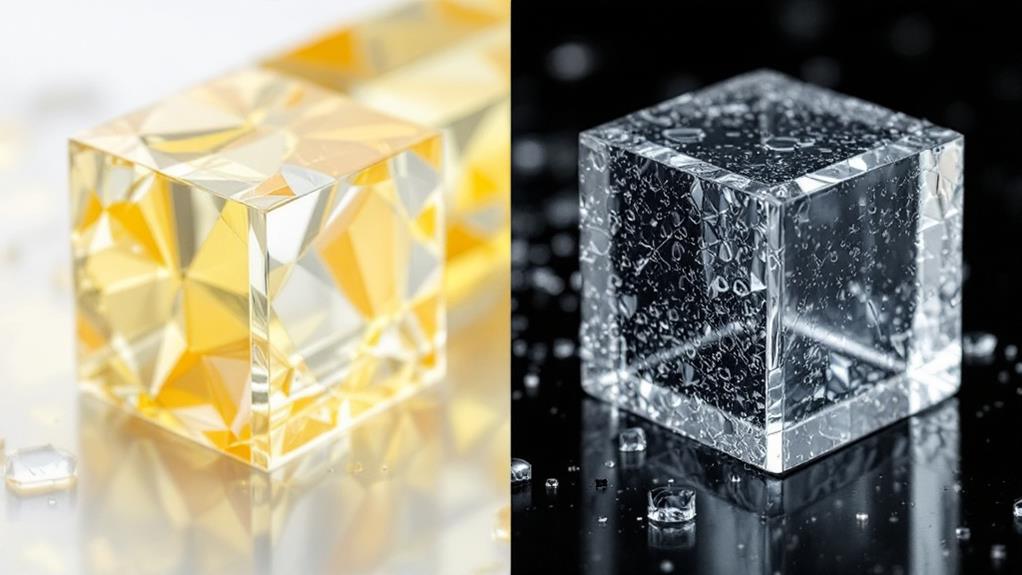
Understanding Tritan's environmental impact naturally leads to comparing it with other plastics. When you look at Tritan, you'll notice it's renowned for its durability. Unlike many other plastics, Tritan doesn't crack or shatter easily, making it ideal for products like water bottles and food containers. In comparison, traditional plastics like polycarbonate may break under stress, posing safety risks.
Another significant factor is Tritan recyclability. While not as widely recycled as some plastics like PET, Tritan does have a recycling process, which can be an advantage over other less recyclable materials. This means that, in the right facilities, Tritan can be repurposed instead of ending up in landfills.
When you consider aesthetics, Tritan often appears clearer and more glass-like than other plastics, which can yellow over time. This clarity doesn't diminish even after repeated use, maintaining its appeal longer than alternatives. Furthermore, Tritan is free from BPA, a chemical found in some other plastics that can leach into food and beverages.
In essence, if you're weighing Tritan against other plastics, its combination of durability, recyclability, and safety features makes it a compelling choice for numerous applications.
Pros and Cons
Why should you consider Tritan plastic for your needs? Tritan plastic offers impressive durability and resistance to impact, which makes it ideal for numerous applications, from water bottles to kitchenware. Its transparency rivals that of glass, providing a clear and appealing aesthetic without the risk of shattering. Tritan's adaptability is evident in its wide range of applications, ensuring you can find a product that suits your specific requirements.
On the downside, while Tritan manufacturing is advanced, leading to groundbreaking products, it can sometimes be more costly than other plastics. However, its cost-effectiveness shines through when you consider its long-lasting nature and reduced need for frequent replacements. Tritan aesthetics also remain consistent over time, as it resists clouding and discoloration.
In terms of recyclability, Tritan has made strides, though it may not always be as easily recyclable as some other plastics. This is a crucial factor if environmental impact is a primary concern for you. Despite this, ongoing Tritan advancements continue to improve its recyclability and sustainability.
Care and Maintenance
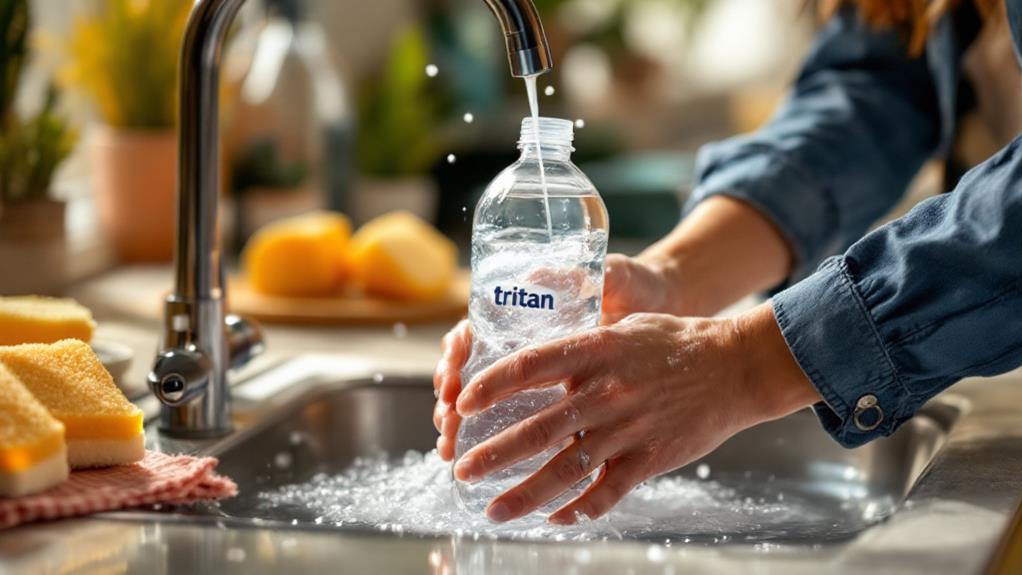
Proper upkeep guarantees your Tritan products remain in excellent condition for years. By following effective cleaning techniques and longevity tips, you can ascertain they look and perform their best. Here's how you can maintain your Tritan items:
- Gentle Cleaning: Always wash your Tritan products with mild soap and warm water. Avoid using abrasive scrubbers or harsh chemicals, as these can scratch or damage the surface. A soft cloth or sponge works best to maintain the material's clarity.
- Avoid Extreme Temperatures: Tritan is durable, but you should avoid exposing it to extreme temperatures. Don't place it in the microwave or leave it in a hot car, as prolonged exposure could cause warping or discoloration. Instead, hand wash and air dry it to preserve its shape and appearance.
- Regular Inspection: Check your Tritan products regularly for any signs of wear or damage. Minor scratches are normal, but if you notice cracks or significant wear, consider replacing the item. By staying vigilant, you can prevent further damage and extend the life of your products.
Future of Tritan Plastic
As the demand for durable and safe materials grows, Tritan plastic is poised to play a significant role in the future of sustainable consumer products. You might notice Tritan gaining traction due to its BPA-free nature and exceptional durability. These characteristics align with current market trends that emphasize health safety and long-lasting materials. Consumers are increasingly aware of the impact materials have on well-being and the environment, so Tritan's non-toxic profile makes it a preferred choice for many.
In the coming years, expect to see groundbreaking applications of Tritan plastic across diverse industries. Already popular in kitchenware and water bottles, Tritan could expand into unexpected areas like medical devices or automotive components. Its resistance to shattering and heat makes it ideal for situations demanding robust and reliable materials. As companies seek to create, Tritan's versatility offers the potential to replace traditional plastics in many products.
Stay ahead of the curve by keeping an eye on how manufacturers incorporate Tritan into new designs. By doing so, you'll better understand how this material not only meets current demands but also shapes future market trends in sustainable and safe products.